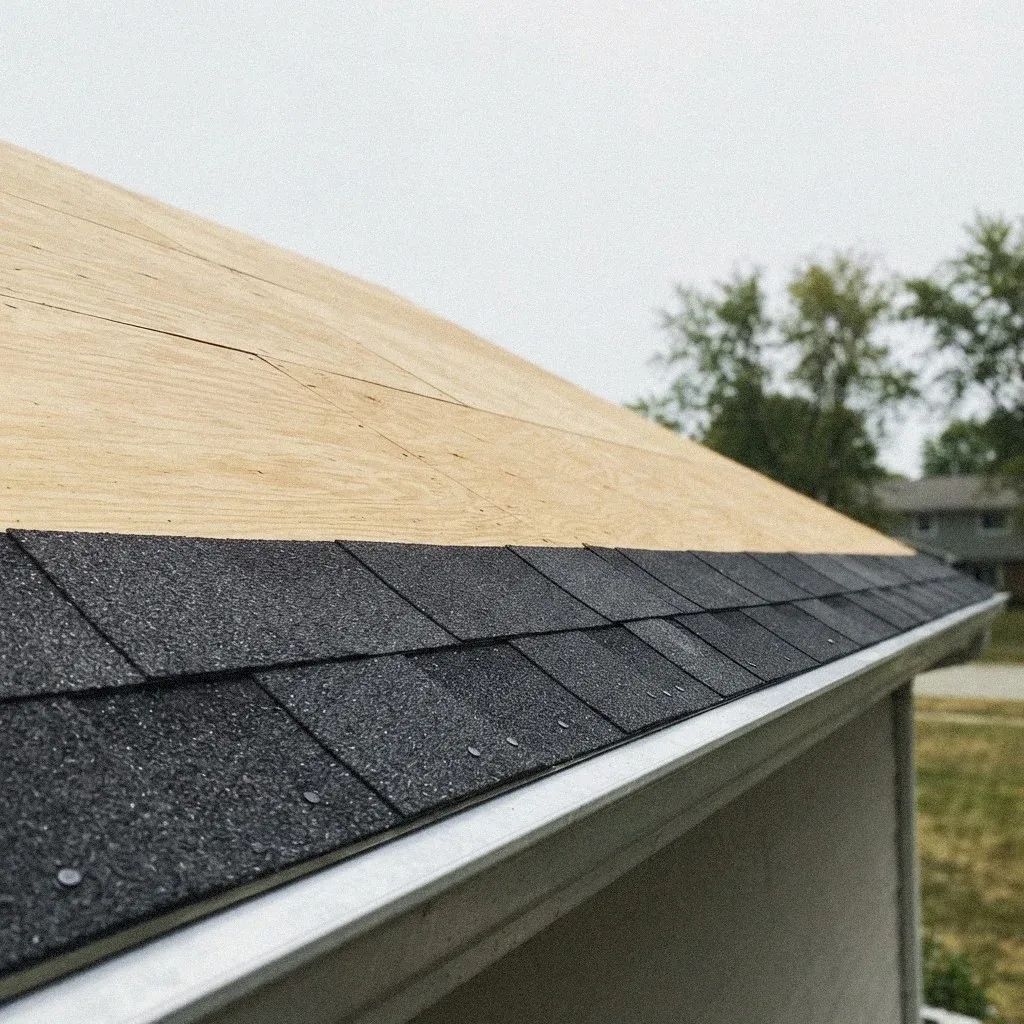
Materials & Types
Laminated Shingles Versus Three-Tab, Explained
Layers, bundle weight, wind rating, nailing zone: what actually separates a laminated shingle from three-tab before you decide what goes on your Jacksonville roof.
Read article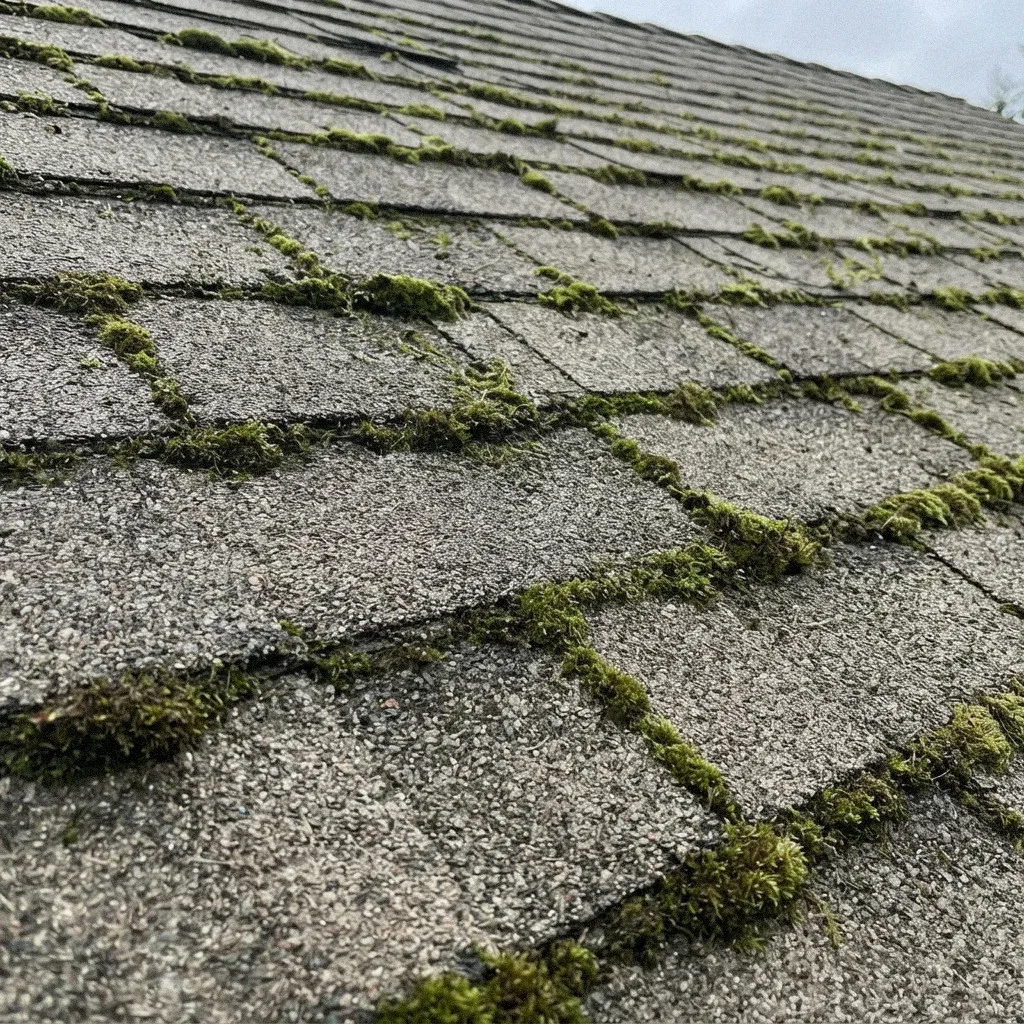
Soft wash and hand removal lift algae and moss without stripping your shingles. Call now for a local licensed roofer.
Roof cleaning Jacksonville, FL homeowners can count on starts with a soft wash and hand removal that clear algae, moss and lichen without stripping your shingles.
We connect you with the licensed pros who do the work, so you get the best roof cleaning services without the guesswork. Call now, before the growth gets worse.
Roof cleaning cost depends on the size of your roof and how much algae, moss or lichen is on it, and current prices are in our pricing guide.
Call now and a local licensed roofer will look at your roof and give you a clear price before any work starts.
Roof moss removal means lifting moss off by hand, working downslope so granules stay put, then rinsing at low pressure with a biocide to kill what is left.
The licensed pros we connect you with also clear valleys of leaf litter and pine needles, since that debris lets moss take hold. Moss left through a Jacksonville summer starts lifting shingle edges, so don't wait.
Any roof cleaning warranty comes from the licensed roofer who does the work, so ask for the terms in writing before you say yes.
Check the license at myfloridalicense.com, since Florida requires roofing contractors to be certified or registered through the state DBPR. Soft washing instead of pressure washing also keeps the shingle granules in place.
Roof algae removal is a low-pressure soft wash that clears the black streaks running down your shingles without blasting off granules.
Algae spreads across the surface instead of lifting shingle edges, and it shows most on roofs that stay damp in the shade in Springfield and Avondale. A zinc or copper strip near the ridge can slow its return.
To get a roof cleaning quote, call (904) 675-6349 or use the contact page, and we will connect you with a local licensed roofer.
Book before the next storm, because Jacksonville's summer thunderstorms keep shingles damp and growth spreading.
Green cushions on the shaded lower courses mean moss is taking hold, especially on north-facing slopes near Ortega and Murray Hill. Left alone, they thicken and start lifting shingle edges.
Dark streaks running straight down a slope are almost always algae. They show up most where shade keeps the roof damp, as in Springfield and Avondale.
A crusty gray-green patch that won't lift with a light scrape is lichen, and it grips the granule surface itself. Older roofs near Arlington and the Southside often carry both moss and lichen.
Granule loss often shows where lichen has sat longest. It means the surface underneath is already wearing thin.
Every slope is checked on foot for moss, algae and lichen, and for granule loss or lifted edges under the growth.
Valleys and low spots are cleared of leaf litter and pine needles first, so debris doesn't settle back in after the rinse.
The heaviest clumps come off by hand, worked downslope. A low-pressure biocide rinse then kills what is left.
Stubborn lichen is worked loose in stages, not scraped hard. A zinc or copper strip near the ridge can slow regrowth on shaded slopes.
Jacksonville's summer humidity and near-daily afternoon thunderstorms keep shingles damp, and mature oak or pine canopy blocks the sun that would dry them. That is how moss and algae take hold on a roof that otherwise looks sound.
On Jacksonville's composition shingle roofs, the granules that shed UV rays and rain are held on by asphalt. A wand at close range strips them in one pass, and the shingle underneath breaks down years early under the Northeast Florida sun.
Hand brushing removes most of a moss colony without touching what is underneath, worked with the slope so granules stay put. The licensed pros we connect you with also clear valleys and low spots, since trapped leaf litter and pine needles let moss take hold.
Most roof cleaning & algae removal jobs in Jacksonville fall inside these ranges. The inspection costs nothing and the exact figure is written down before any work starts.
| Roof Layers | Storm Risk | Questions To Ask |
|---|---|---|
| Some crews only tear off and reload shingles. That's fine until valley flashing or a stack boot needs real attention. Jacksonville's afternoon thunderstorms find every shortcut eventually, and a crew that skips flashing work today is booking a callback for next summer. | Roof plus attic peek from inside, checking for daylight or damp decking | an estimated $280–$1520 |
| A crew that also does siding and gutters brings less roof-specific pattern recognition to a reroof in Jacksonville. Nail pattern gone wrong, underlayment skipped at a valley, ventilation ignored — these show up fastest to someone who reroofs full time and nothing else. | Tear-off, new drip edge and pipe boots, haul-off of old shingles included | an estimated $400–$2080 |
| Price alone tells a Jacksonville homeowner little. A bid that skips proper flashing or attic ventilation can look cheap on paper and cost more the first time a heavy afternoon thunderstorm sits over the house for an hour. | Reroof plus fascia board repair where rot is found, no interior ceiling work | an estimated $520–$2880 |
| A crew that reroofs and nothing else sees the same failure points on repeat: nail heads left exposed, undersized drip edge, flashing reused instead of replaced. That repetition means fewer surprises mid-tear-off on a Jacksonville roof. | Whole-property reroof across multiple roof planes, decking replaced where soft | an estimated $720–$4160 |
Get every bid broken into materials, labor, permit, and disposal, not one flat number. A contractor unwilling to itemize is asking you to trust a total you cannot check. Side-by-side, itemized bids show where the real difference sits, and that difference is rarely quality you can see from the ground.
A pressure washer blasts off the protective granules, and the asphalt underneath then ages fast under Jacksonville's sun. The licensed pros we connect you with use a soft wash, a low-pressure rinse that carries a cleaning solution across the roof without that damage.
They work the heaviest moss loose by hand and pull it downslope so granules aren't torn free. A low-pressure rinse follows to treat the surface, then valleys and low spots are cleared of leaf litter and debris.
Black streaks running straight down a slope are almost always algae, not moss. Algae spreads across the surface instead of lifting shingle edges, so it changes how the roof is cleaned but not whether it needs attention.
Zinc and copper strips slow new moss and algae by releasing trace metal ions every time it rains. They won't remove growth that is already established. The pros we connect you with can install strips as part of a cleaning job.
Most homeowners pay an estimated $400–$1600 per job for roof cleaning & algae removal in Jacksonville. Two things move that figure more than anything else: the pitch, and how much of the decking underneath turns out to be sound. Quotes are given after a look at the roof, not over the phone.
A roofing quote is easier to judge once you know its parts: removal of the old roofing, disposal, decking repair if the wood underneath is soft, flashing around penetrations, and ventilation. Ask what happens if the decking needs replacing once the old roofing comes off, since that changes the number more than almost anything else.
Layers, bundle weight, wind rating, nailing zone: what actually separates a laminated shingle from three-tab before you decide what goes on your Jacksonville roof.
Read article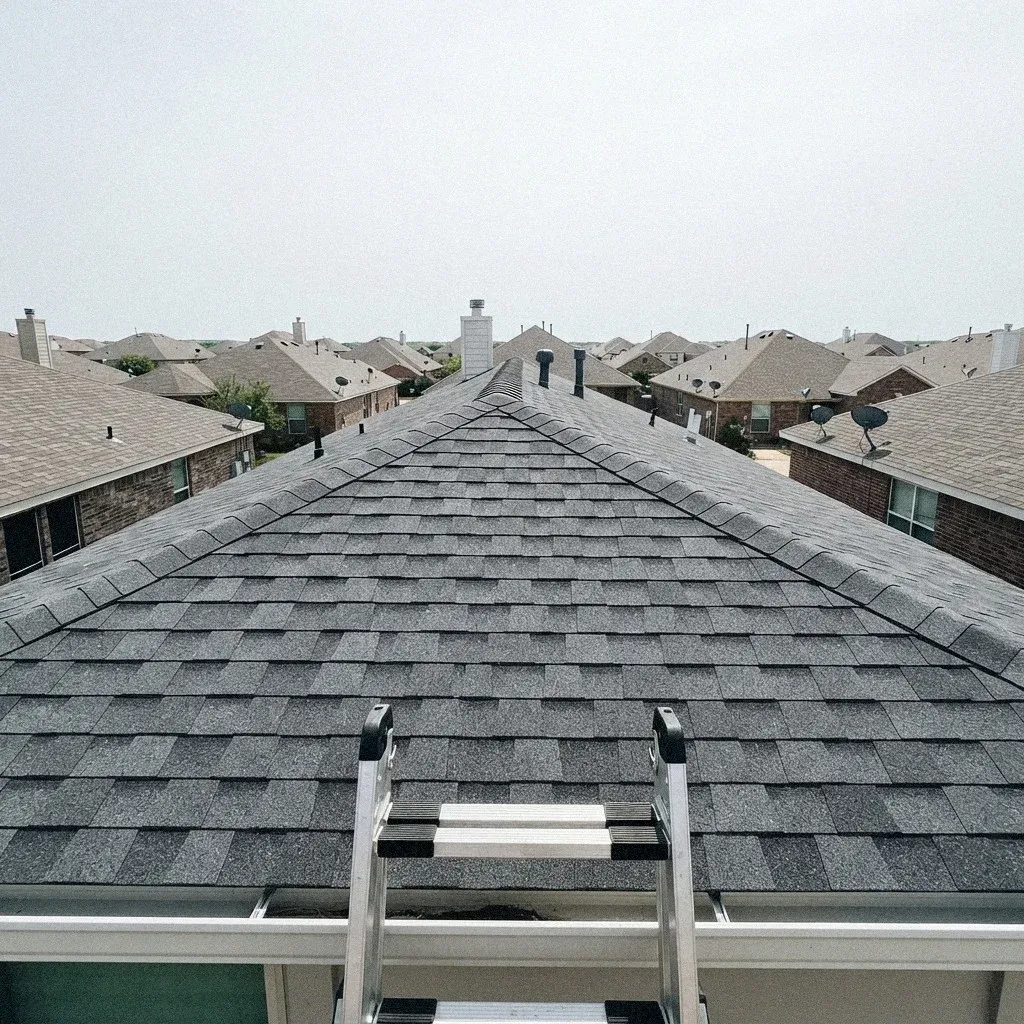
Late fall through early spring is Jacksonville's driest, calmest stretch, and the one window where a tear-off and reroof goes smoothly. Here's why that timing matters and why the calendar fills up fast.
Read article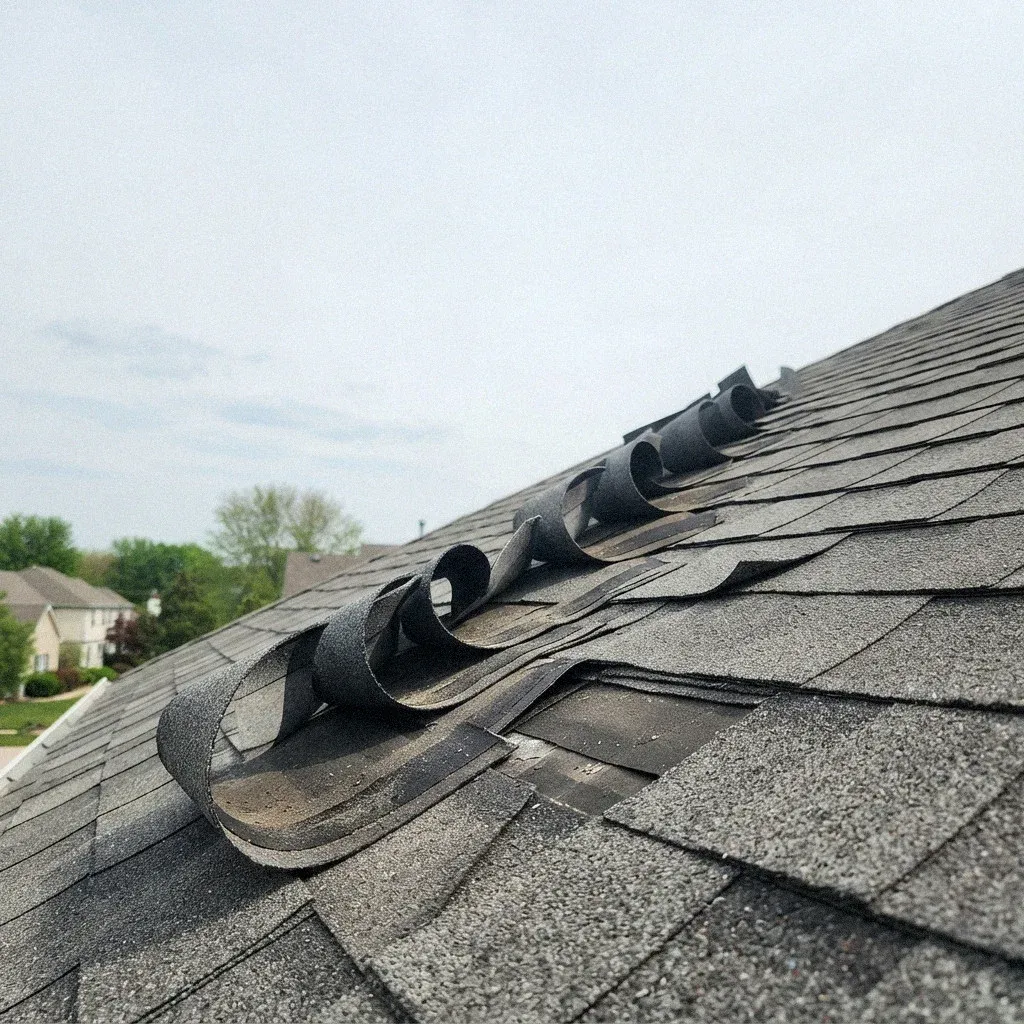
An aging roof doesn't stop a Jacksonville sale, but it changes how the sale goes. Disclosure, buyer inspections, and lender conditions all shift once the roof gets old.
Read articleOne call is enough to start. Say what the roof is doing and roughly when it started, and the licensed pros we connect you with will tell you whether it needs looking at this week or can wait for the next dry stretch. If something is actively coming through a ceiling in Jacksonville, say so on the call, because that moves to the front of the list and gets covered the same day rather than scheduled.
Call (904) 675-6349