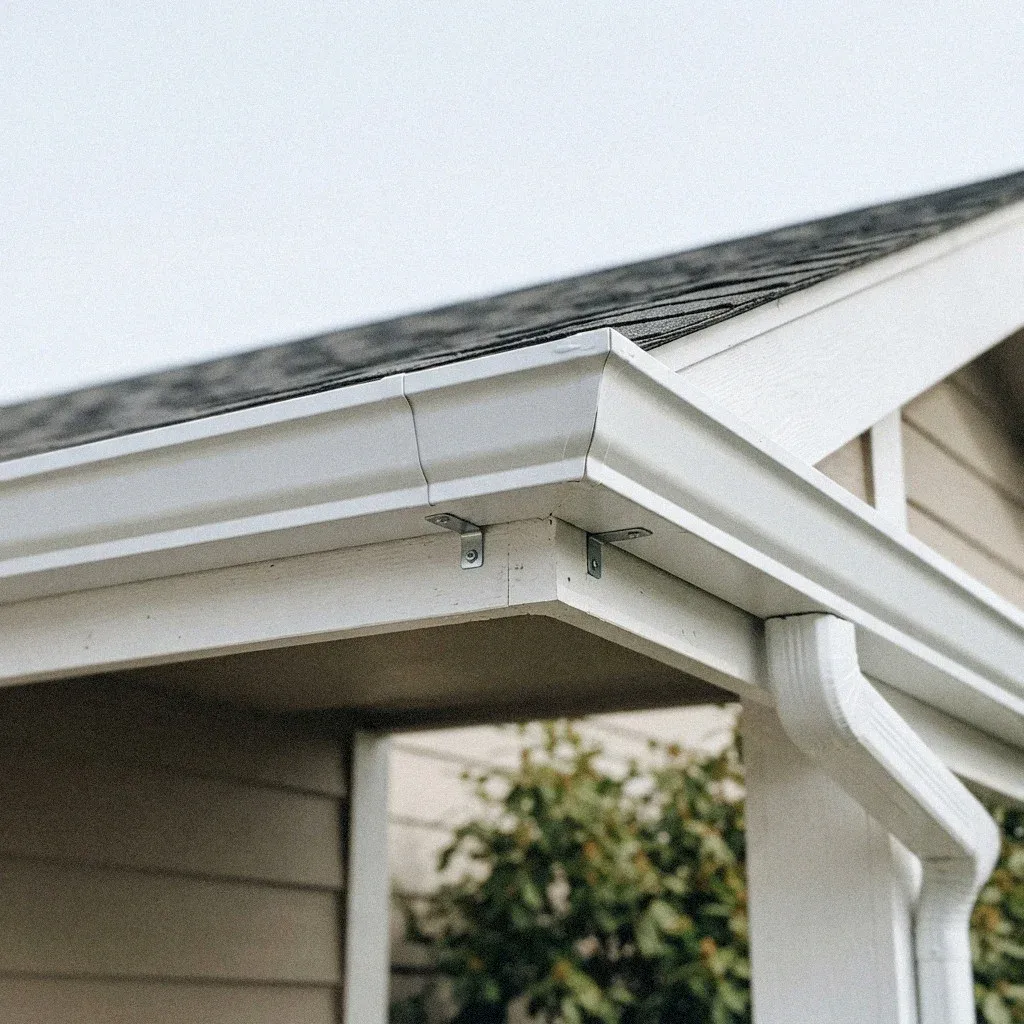
Gutter Repair & Replacement
Rehung where it holds, replaced where fascia has already given way.
Learn about Gutter Repair & ReplacementOlder Northside block homes near Trout River and Paxon School face routine wind and rain wear.
Paxon sits on Jacksonville's Northside, between Moncrief Park and the Trout River, reached off Roosevelt Boulevard or Main Street. Housing here is mostly modest mid-century frame and concrete-block houses on slab foundations, with a school district anchor at Paxon School for Advanced Studies giving the area its name and its main landmark.
Sandy soil, a high water table, and long humid summers wear on a roof steadily, apart from any single storm.
Older concrete block homes and newer builds carry different roofing bones, and a straight answer depends on which one is under your feet. Nail patterns, decking thickness, and how the last reroof was permitted all shift the math on what a repair versus a full replacement actually solves.
Set back from the coast, Paxon sees no salt-air corrosion concern, just Jacksonville's regular hurricane-season wind exposure and heavy summer thunderstorms. Slab homes here rely on gutters and yard drainage rather than below-grade waterproofing, since the Trout River corridor nearby already runs high after sustained rain. Humidity year-round means a roof rarely gets to fully dry out between rain events. Trapped moisture under damaged shingles or around vents encourages the kind of slow rot that a homeowner won't see until the underlayment has already failed underneath.
Most Paxon jobs land inside these ranges. The inspection is free and the exact figure comes in writing before anything starts.
| Service | Estimated cost |
|---|---|
| Gutter Repair & Replacement | an estimated $1200–$4800 |
| Flashing & Chimney Repair | an estimated $350–$1900 |
| Roof Replacement | an estimated $11000–$30000 |
| Storm & Wind Damage Roof Repair | an estimated $900–$7500 |
Paxon School sits inside the neighborhood's own street grid, and the block homes fronting the streets around it were built to that grid's original lot lines, not a later curving subdivision pattern, so frontage and setbacks stay tight and uniform block to block.
The Trout River runs along Paxon's edge, and streets closest to it sit lowest in the neighborhood's drainage pattern, which matters more for roof runoff here than on the interior blocks set back toward the arterial.
Moncrief Park borders Paxon on one side, and the housing stock nearest it mixes 1920s-1930s frame cottages with later infill on lots cleared after older houses came down, a pattern the interior blocks don't share.
Rehung where it holds, replaced where fascia has already given way.
Learn about Gutter Repair & Replacement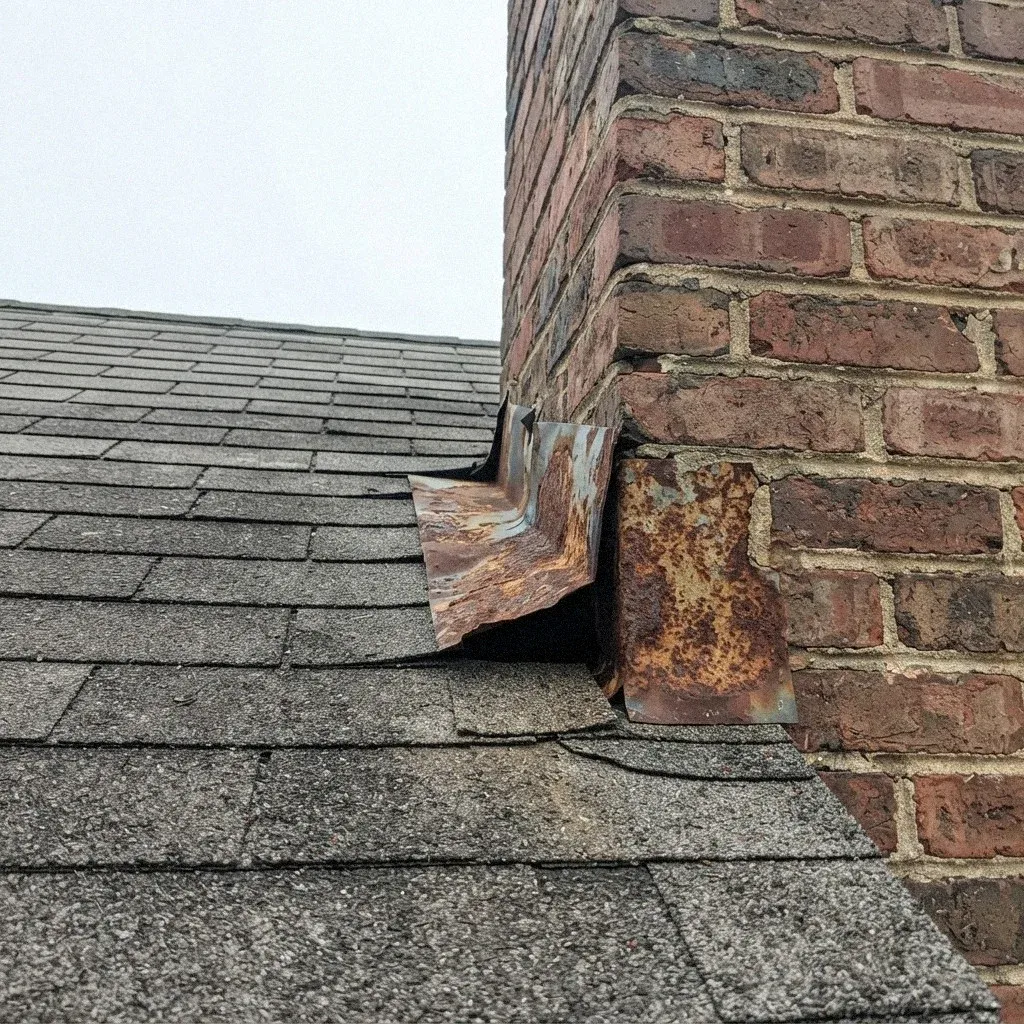
Valleys, sidewalls and chimney metal resealed or replaced.
Learn about Flashing & Chimney Repair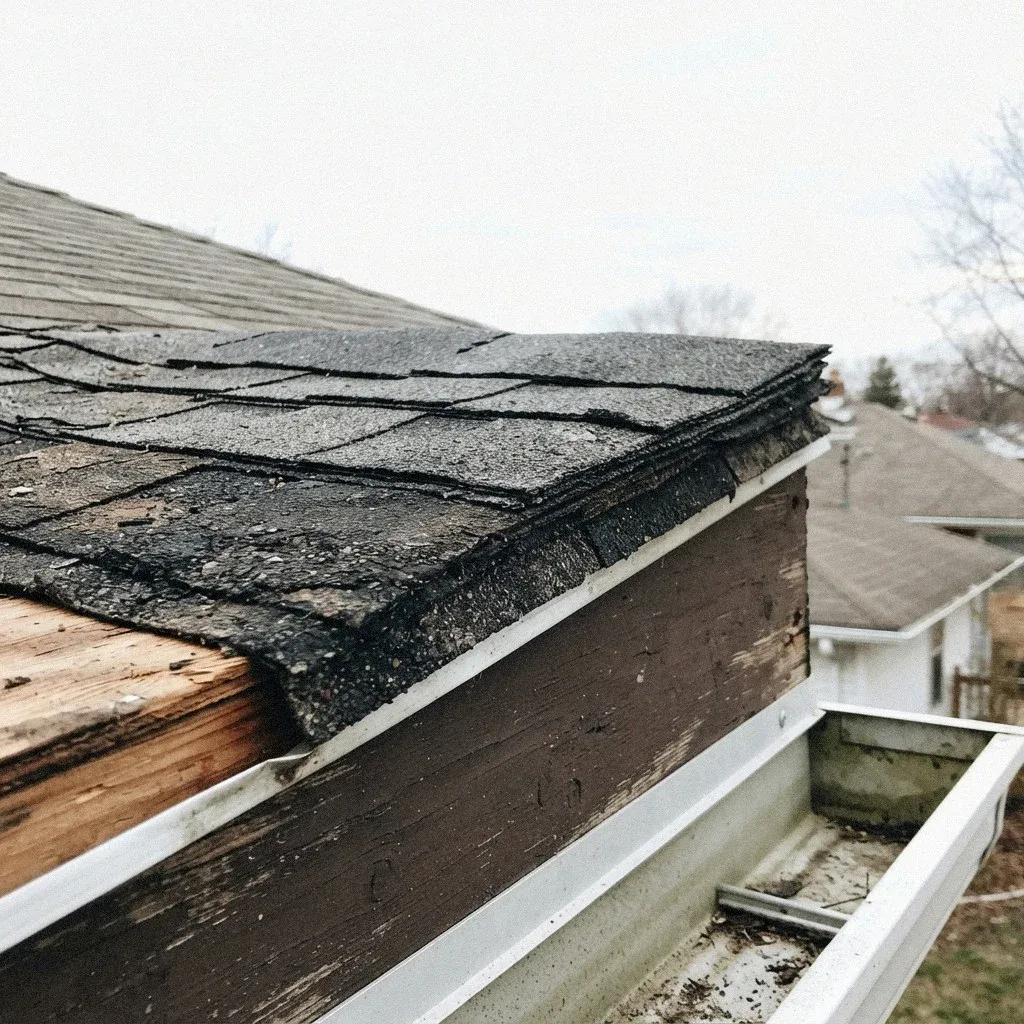
Old roof stripped to the deck, new system built back up right.
Learn about Roof Replacement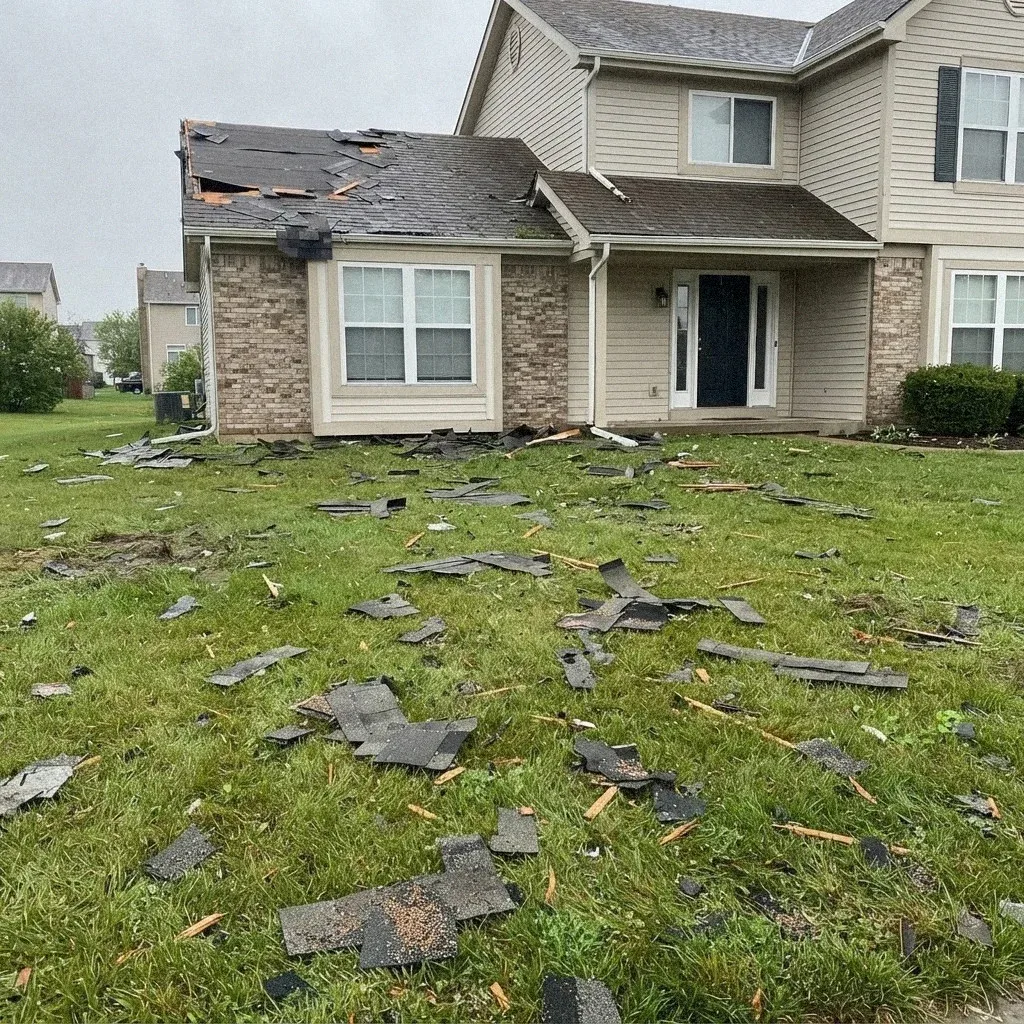
Fast inspection and repair after wind, hail, or a fallen limb.
Learn about Storm & Wind Damage Roof RepairPaxon's housing stock runs chiefly from the 1920s through the 1950s, wood-frame and early concrete block set on a tight street grid inside Jacksonville's city limits, with later infill on cleared lots mixed in. A roof original to a 1930s cottage here has likely already been replaced once or twice; a roof from a 1970s infill build may still be on its first covering.
No confirmed HOA covenant applies broadly across Paxon the way it might in a single platted subdivision. This is older, unincorporated-turned-annexed Northside ground built out lot by lot over decades, not one developer's tract, so roofing material and color rules here come down to Jacksonville's own building code rather than a homeowners association architectural committee.
Streets closest to the Trout River sit at the low end of Paxon's drainage pattern, so water has to clear roofs and yards without the benefit of a slope toward higher ground. That makes gutter condition and valley flashing on those blocks worth checking sooner after a hard summer thunderstorm than on the interior grid streets set back from the water.
Duval County doesn't run a separate roofing desk — permits for reroofs or repairs go through the same municipal process covering all of Jacksonville, Paxon included. What changes here is the housing: 1920s-1950s wood-frame and block homes often need permit history checked before a recover is even an option, since older layers complicate what code will allow.
Simple gable and hip forms dominate on the older wood-frame and concrete block houses, sized for a ZIP code of modest lots and a tight grid rather than sprawling rooflines. Composition shingle is the common covering on both the older stock and the later infill, with tree cover over many blocks slowing roofs' drying time after rain.
There is a round-the-clock emergency line covering Paxon, so a call at 2am reaches a person rather than a voicemail. Being 4 miles northwest of downtown Jacksonville, off Edgewood Avenue, most standard bookings still land the same day or the next. You get an honest arrival window when you book instead of a vague promise.
Every part of Jacksonville answers to the same hurricane season, but not the same way. A crawl-space home near Springfield with an older roofline ages differently than a slab ranch off Southside Boulevard with a lower pitch and newer materials. Drainage after a heavy afternoon thunderstorm matters too, especially on blocks nearer the St. Johns River. The licensed pros we connect you with can speak to what your specific street tends to see, not just the city in general.
Call (904) 675-6349