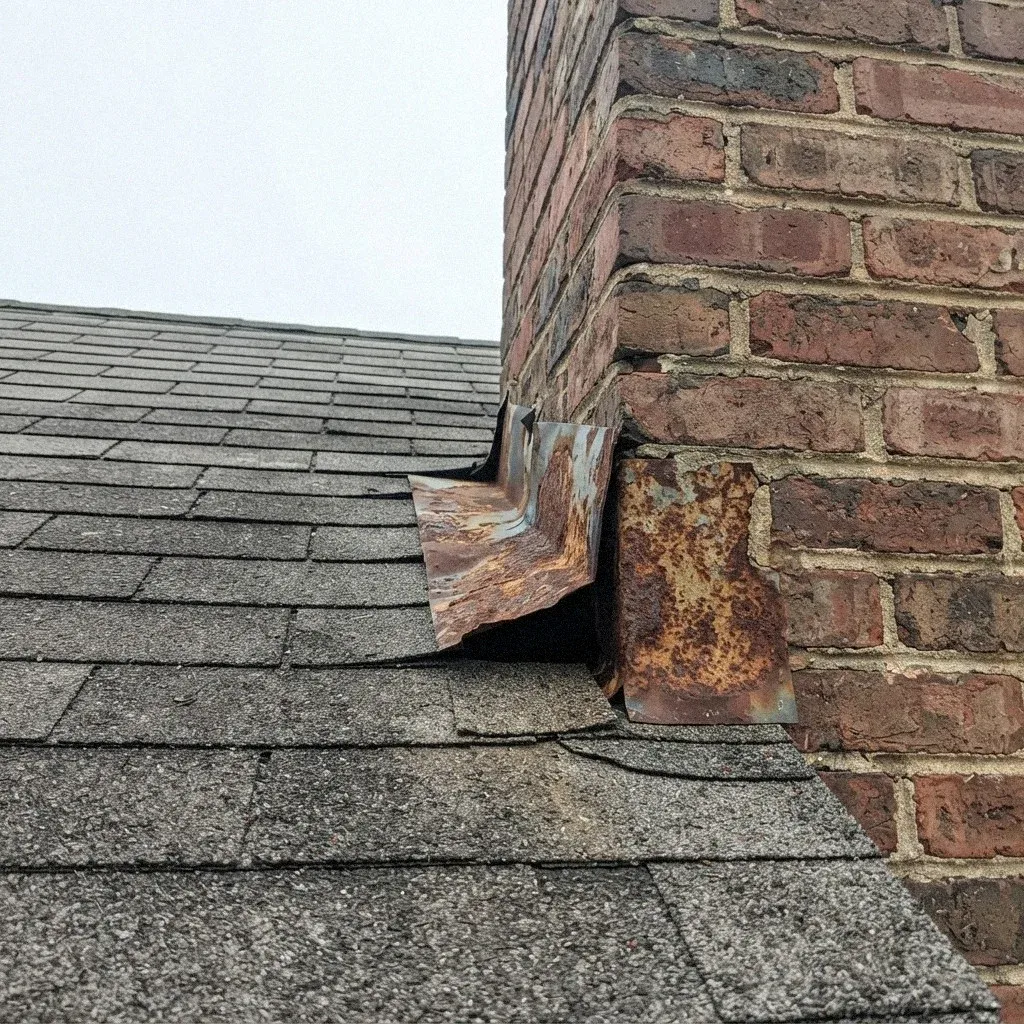
Flashing & Chimney Repair
Valleys, sidewalls and chimney metal resealed or replaced.
Learn about Flashing & Chimney RepairOlder Westside frame and block homes off Blanding Boulevard, many due for a first or second reroof.
Jacksonville Heights sits on the Westside off Blanding Boulevard, a short drive from Cedar Hills and Argyle Forest toward Orange Park. Streets here run modest and grid-like, with small parks and older shopping strips along the corridor rather than a single named landmark anchoring the area.
Heat cycling, sudden downpours, and wind-driven debris wear a roof down long before its expected lifespan ends.
A house with a steep pitch drains fast; one with long low slopes holds water longer after a storm rolls through. Duval County's mix of home styles means no single roof type stands in for the rest, and no single quote should either.
Afternoon thunderstorms roll through most summer days, and the sandy Westside soil drains fast, so roof runoff usually clears the yard before it becomes a standing problem. Wind-driven rain at flashing and valleys is the bigger concern here than pooling water. Wind uplift is the risk homeowners picture, but sustained rainfall over hours does more damage per season. A shingle edge lifted just enough lets water travel sideways under the surface, and that path can run for a long time before it shows up as a visible leak inside.
These are the ranges we quote most often in Jacksonville Heights. Size of the property and how far the problem has spread move the number within them.
| Service | Estimated cost |
|---|---|
| Flashing & Chimney Repair | an estimated $350–$1900 |
| Roof Decking & Sheathing Repair | an estimated $600–$4500 |
| Roof Replacement | an estimated $11000–$30000 |
| Storm & Wind Damage Roof Repair | an estimated $900–$7500 |
Cedar Hills sits close by along Blanding Boulevard, sharing the same Westside build era of concrete block and frame houses from the 1940s through the 1990s, and the same reroof timing questions as those homes reach the end of their service life.
Argyle Forest lies further south down Blanding Boulevard, a newer pocket of subdivisions where roofs are still well short of reroof age, a contrast to Jacksonville Heights' older frame and block housing closer to the city core.
Cecil Field's former Naval Air Station grounds border the area to the southwest, and the surrounding Westside streets share Jacksonville Heights' large lots and tree cover, with roofs facing the same shade and debris buildup between storms.
Valleys, sidewalls and chimney metal resealed or replaced.
Learn about Flashing & Chimney Repair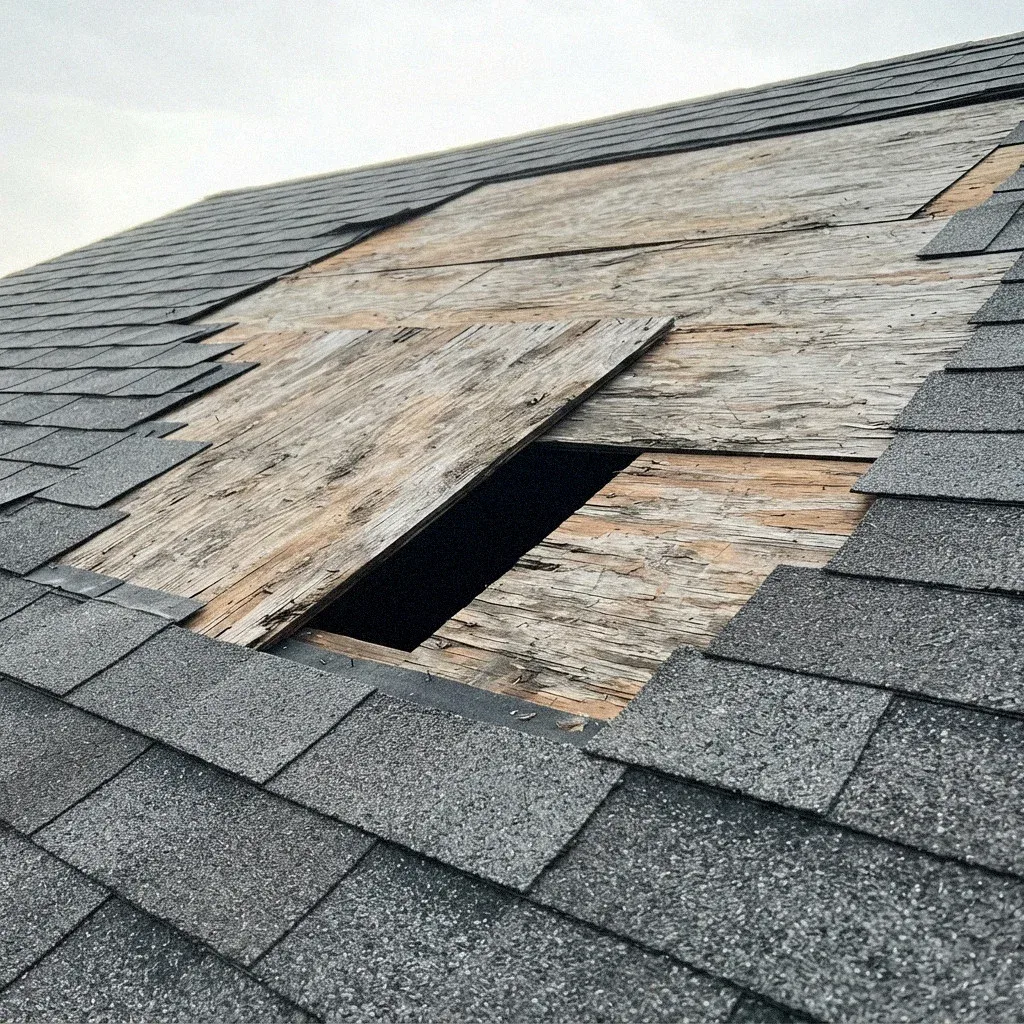
Soft or rotted decking found once tear-off starts, replaced before the new roof goes down.
Learn about Roof Decking & Sheathing Repair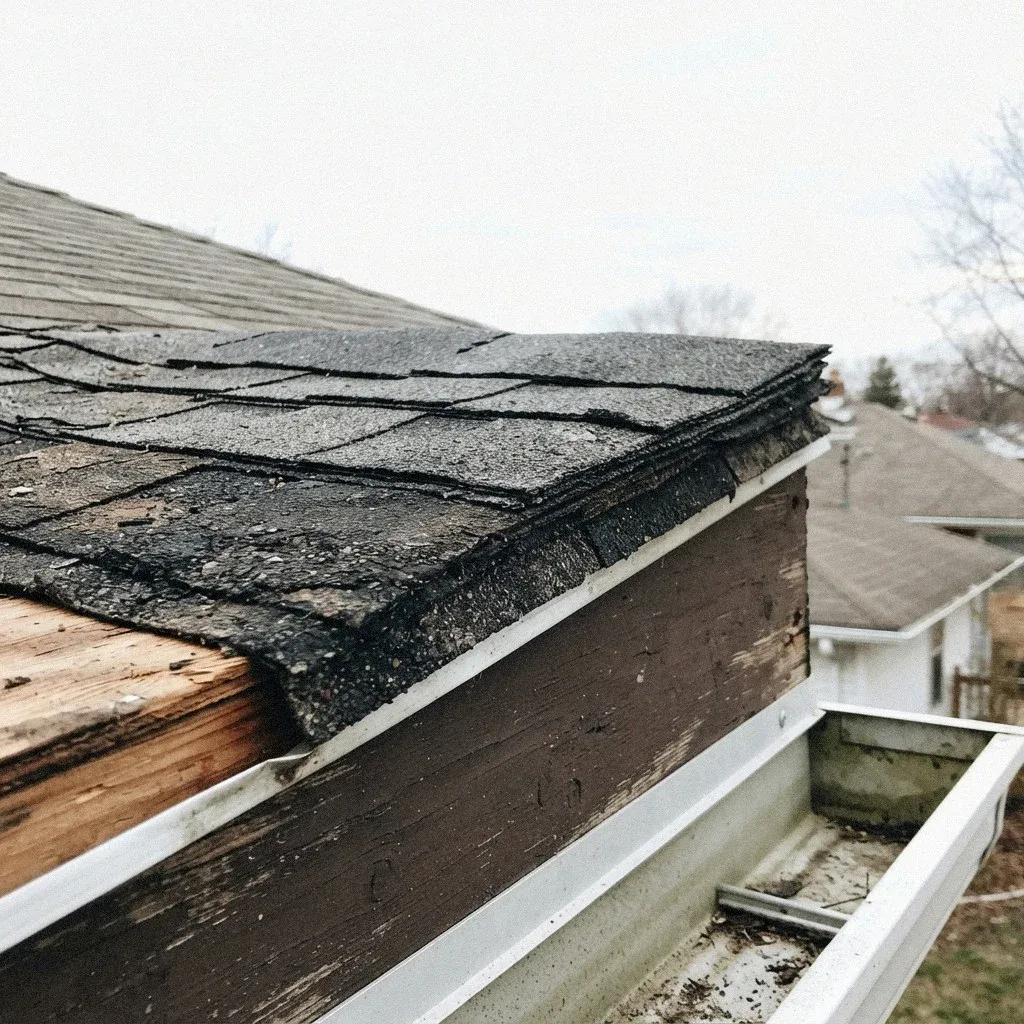
Old roof stripped to the deck, new system built back up right.
Learn about Roof Replacement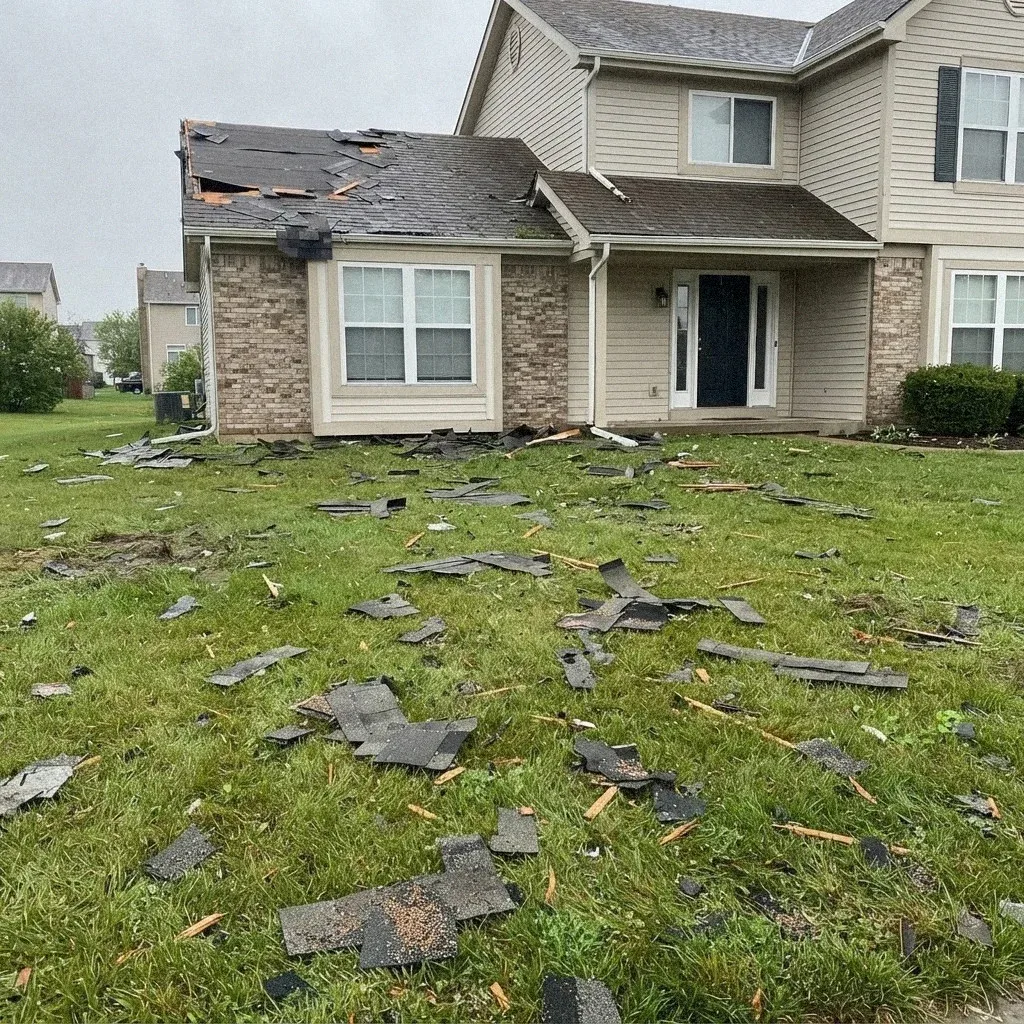
Fast inspection and repair after wind, hail, or a fallen limb.
Learn about Storm & Wind Damage Roof RepairLow-pitched gable and hip roofs dominate, covered in asphalt shingle on the frame houses and often a mix of shingle and older built-up roofing on the concrete block ranches. A handful of manufactured homes along the unpaved side roads carry metal panel roofs instead, which age and flash differently than the shingle stock around them.
Most of this housing stock dates to the 1960s through 1990s, which puts a lot of roofs here past their first reroof and into their second. Concrete block homes on these large lots often carry the original decking underneath newer shingle layers, and that older material is what gives out first once a summer thunderstorm finds a weak valley or a worn pipe boot.
Check the contractor's license number against Florida's DBPR license lookup before any work starts on your roof. A certified or registered roofing contractor license should come up active, tied to the business name on your estimate, with no disciplinary flags. Jacksonville Heights homeowners on a fixed budget lose the most when an unlicensed crew takes a deposit and disappears.
Spring, before hurricane season builds through the summer, is the window most homeowners here aim for. Getting a reroof done ahead of June means the deck stays dry during the work and the new roof is already sealed and fastened before the heaviest afternoon thunderstorms and any tropical system moves through the area.
Evenings, weekends, and public holidays are all covered for Jacksonville Heights through the emergency line. Routine bookings here typically go out within a day or two, helped by the fact you are 10 miles southwest of downtown Jacksonville, west of I-295. Describe the situation on the phone and you will get a straight answer on whether after-hours is genuinely warranted.
Every part of Jacksonville answers to the same hurricane season, but not the same way. A crawl-space home near Springfield with an older roofline ages differently than a slab ranch off Southside Boulevard with a lower pitch and newer materials. Drainage after a heavy afternoon thunderstorm matters too, especially on blocks nearer the St. Johns River. The licensed pros we connect you with can speak to what your specific street tends to see, not just the city in general.
Call (904) 675-6349