Downtown Jacksonville, FL
Older Northbank blocks and Southbank towers share the St. Johns River but not a roof type.
Roof repair in Downtown Jacksonville
Asphalt shingles cover most homes from Mandarin to the Westside, with older Avondale and Ortega houses sometimes showing standing-seam metal from past reroofs. Slab-on-grade construction is standard here, so attic ventilation matters more than what sits underneath.
Jacksonville roofs deal with sun and afternoon thunderstorms more than deep freezes. From Riverside to Arlington, sandy soil drains fast, but flat rooflines near San Marco and Springfield still pond water when gutters clog before hurricane season peaks.
Older Northbank blocks and Southbank towers share the St. Johns River but not a roof type.
Roof repair in Downtown JacksonvilleEarly-1900s bungalows and Craftsman homes near Five Points, shaded by decades-old tree canopy.
Roof repair in Riverside1920s bungalows and Mediterranean Revival homes under heavy oak canopy near the St. Johns River.
Roof repair in Avondale1900s-1920s wood-frame homes on crawl spaces, mid-restoration since the 1970s under historic district rules.
Roof repair in Springfield1920s Mediterranean Revival masonry near San Marco Square, mixed with newer riverfront infill.
Roof repair in San MarcoBridge-era brick ranches on slabs, Jacksonville's densest older neighborhood outside the beaches.
Roof repair in Arlington1920s river plat mixing waterfront estates and modest ranch bungalows on the same streets.
Roof repair in San JoseWooded 1970s-90s Westside subdivision off Blanding, not an open postwar grid.
Roof repair in Argyle ForestReroofing picks up after hurricane season eases, when crews near Baymeadows or Southside can work a dry deck without afternoon storms interrupting. Waiting until spring near Northside or the Beaches often means a longer line for permits.
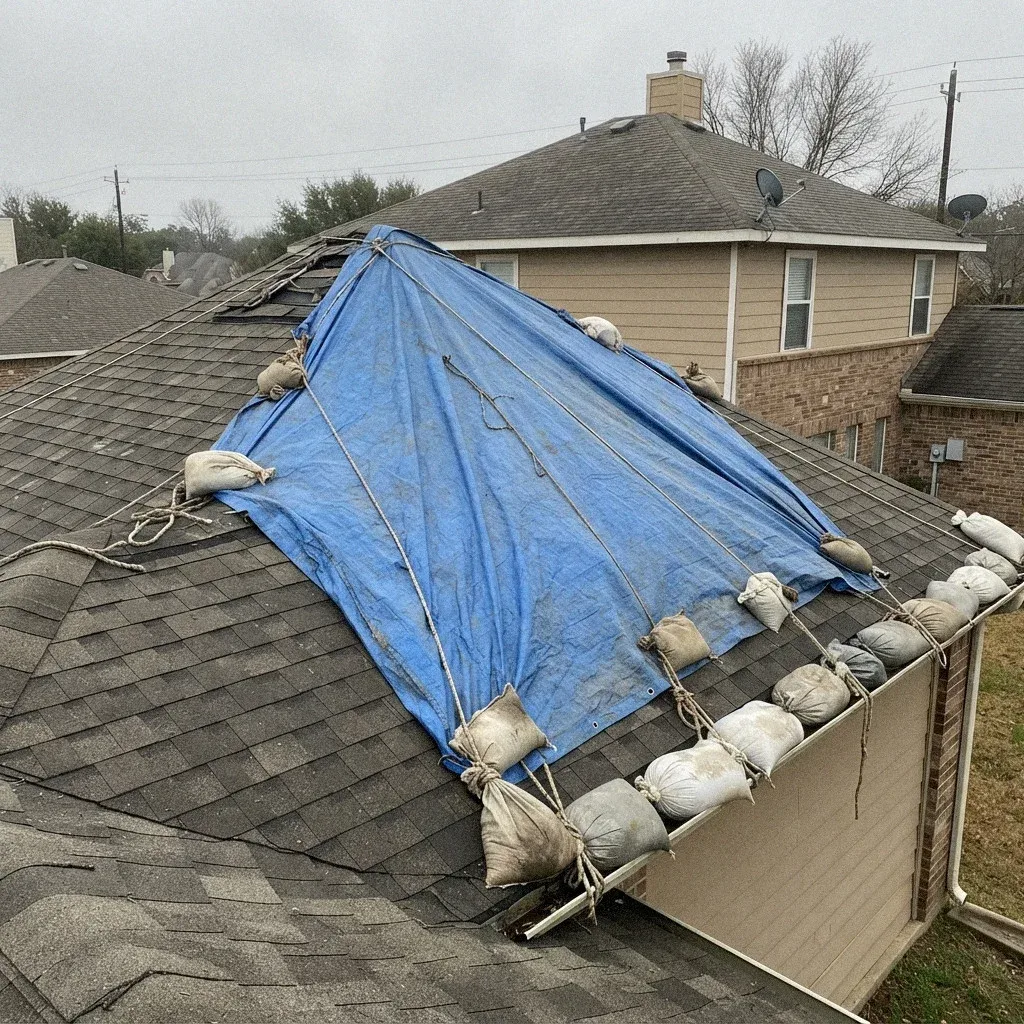
A leaking Jacksonville roof covered and anchored the same day
Learn about Emergency Roof Tarping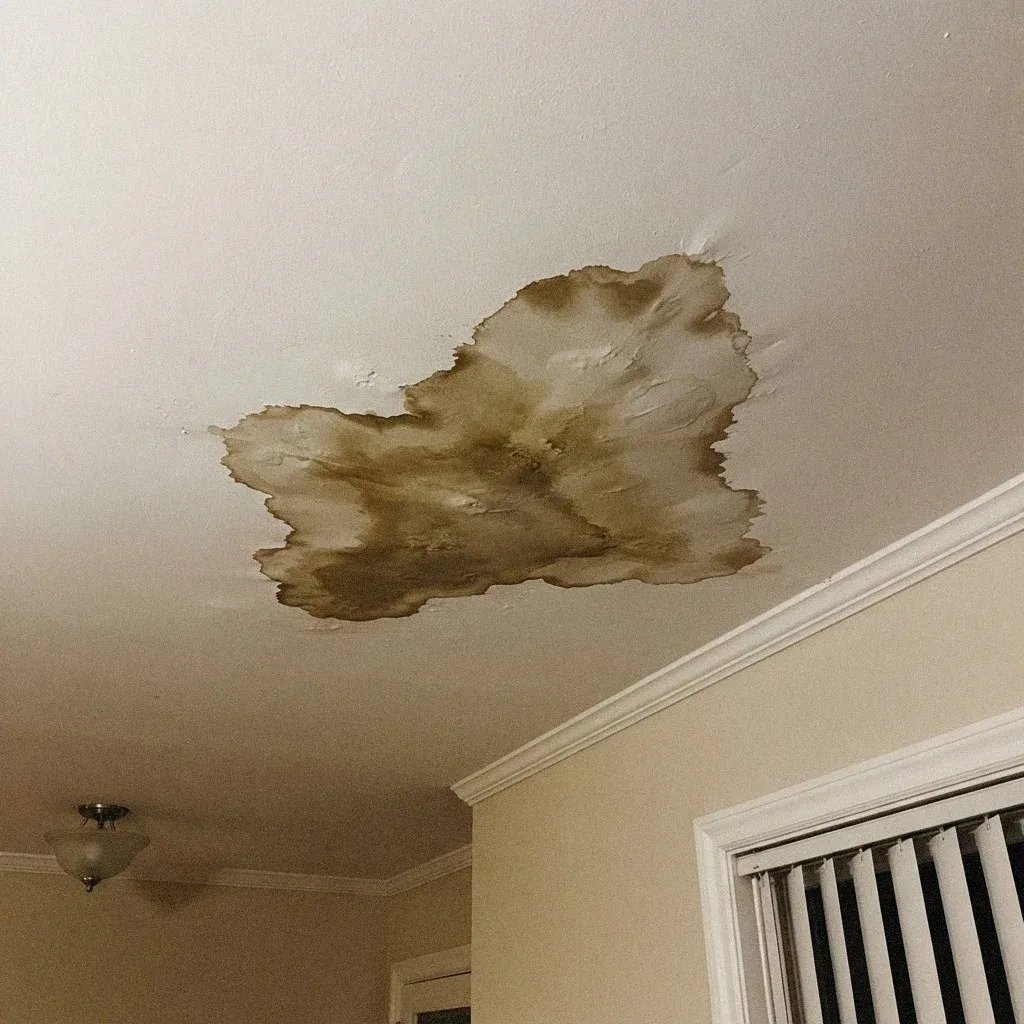
Finding where a Jacksonville roof actually lets water in.
Learn about Roof Leak Repair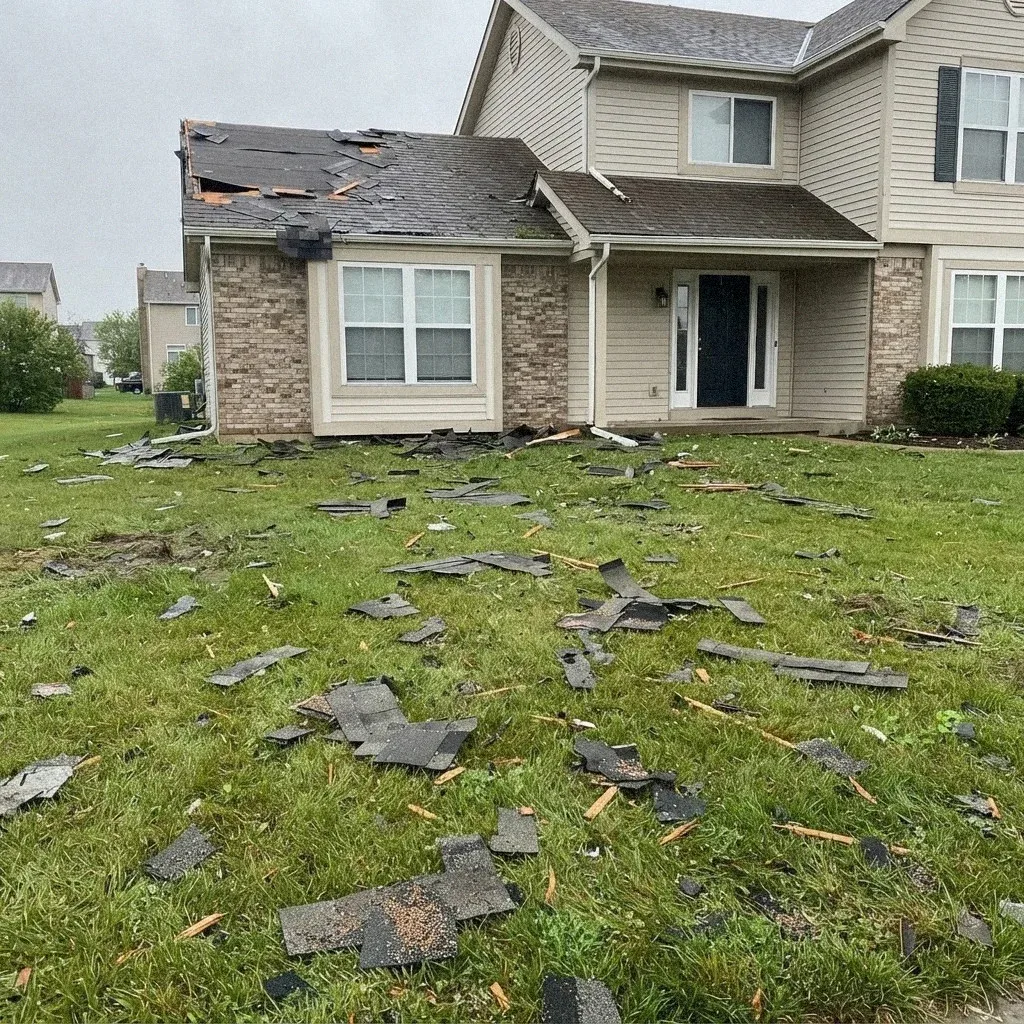
Fast inspection and repair after wind, hail, or a fallen limb.
Learn about Storm & Wind Damage Roof Repair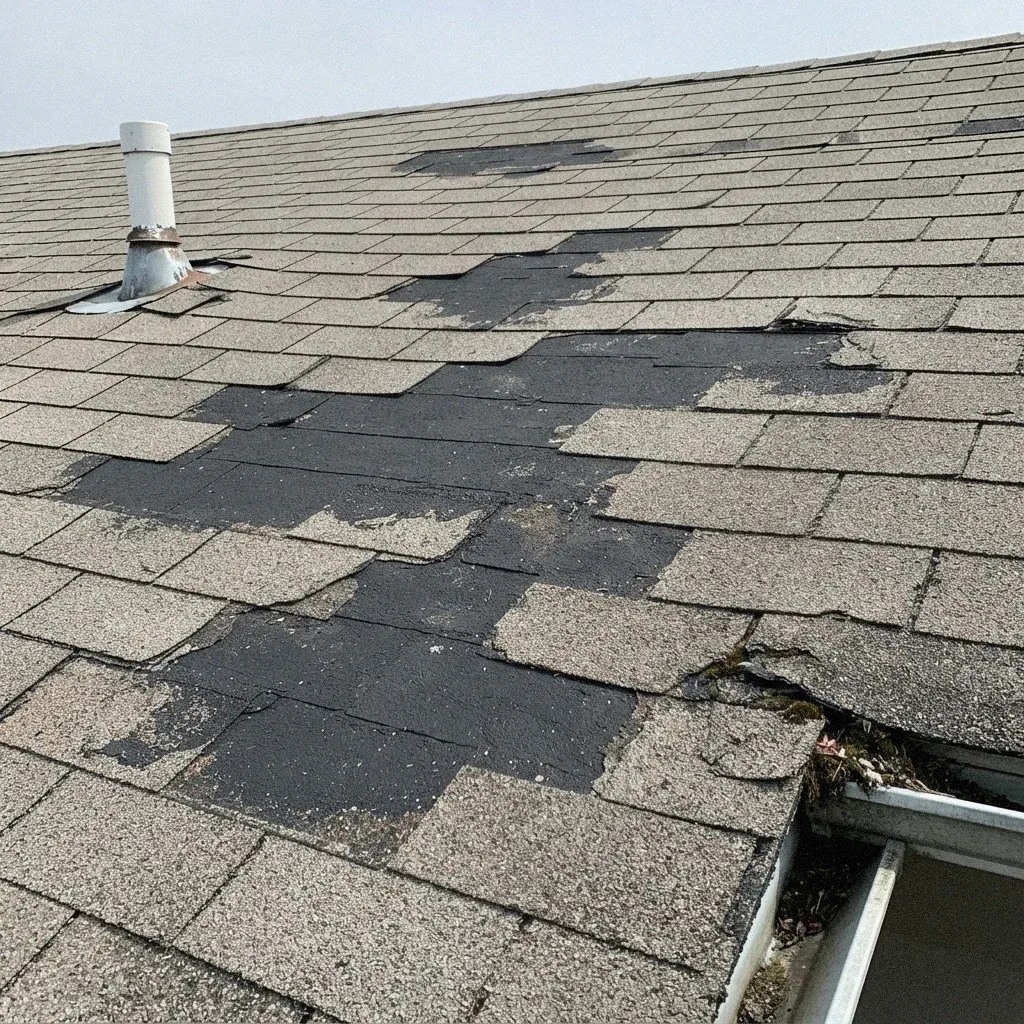
Targeted shingle and flashing repairs for a Jacksonville roof still worth keeping.
Learn about Roof Repair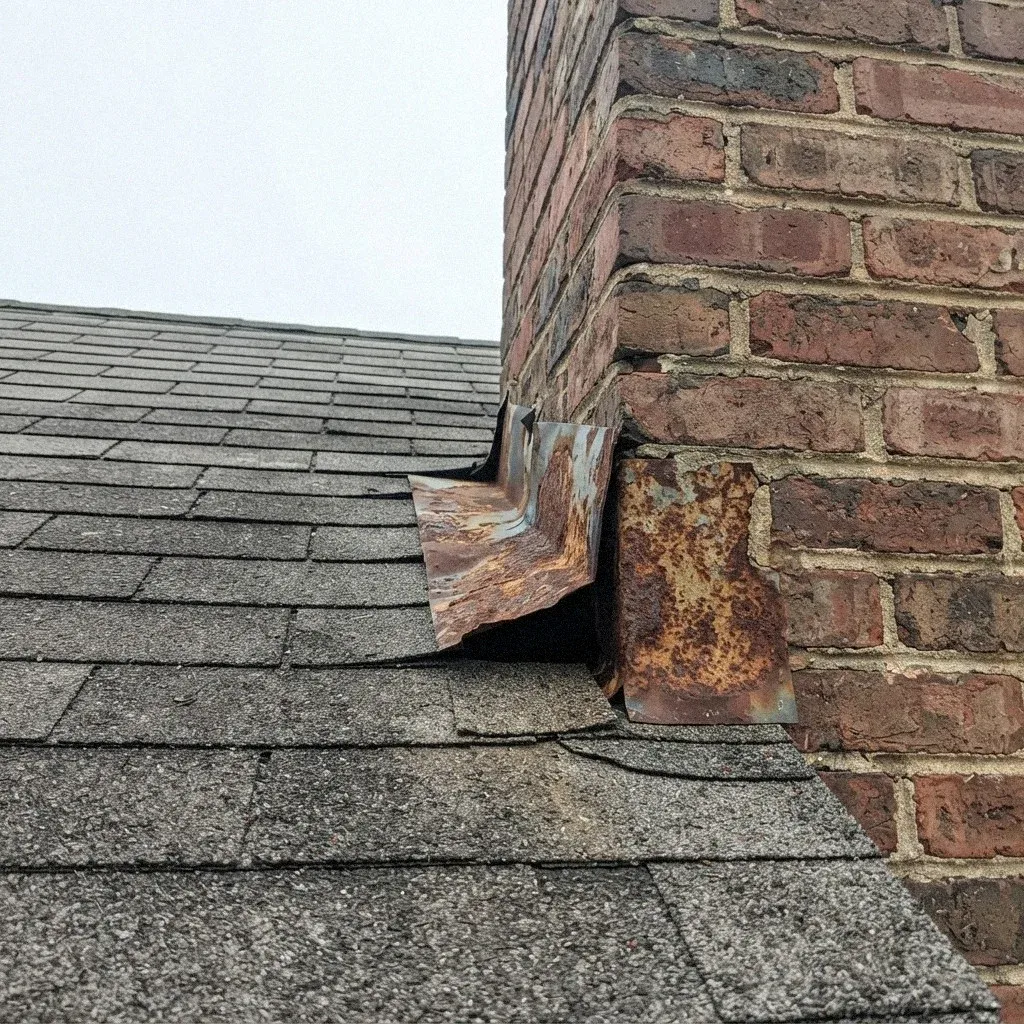
Valleys, sidewalls and chimney metal resealed or replaced.
Learn about Flashing & Chimney Repair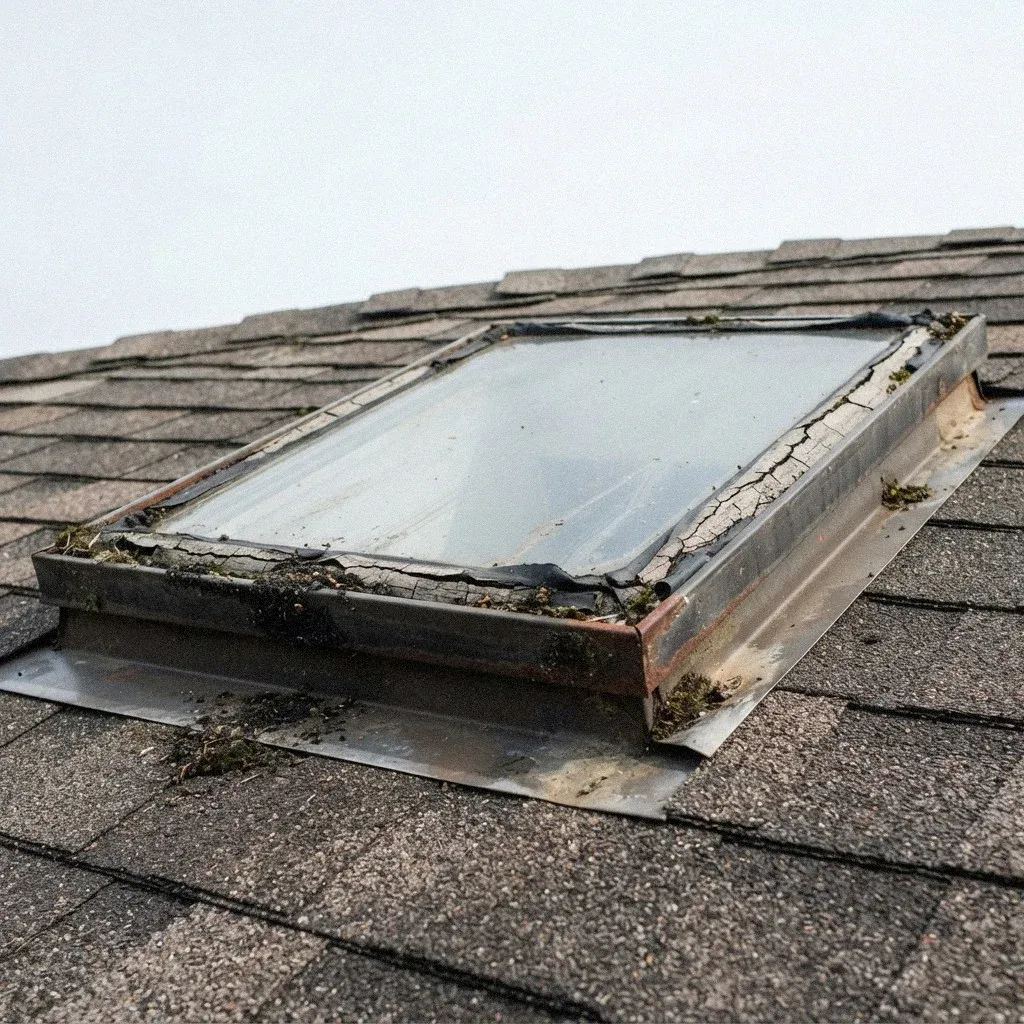
Leak, fog, or age — sorted before the next Jacksonville storm.
Learn about Skylight Repair & Replacement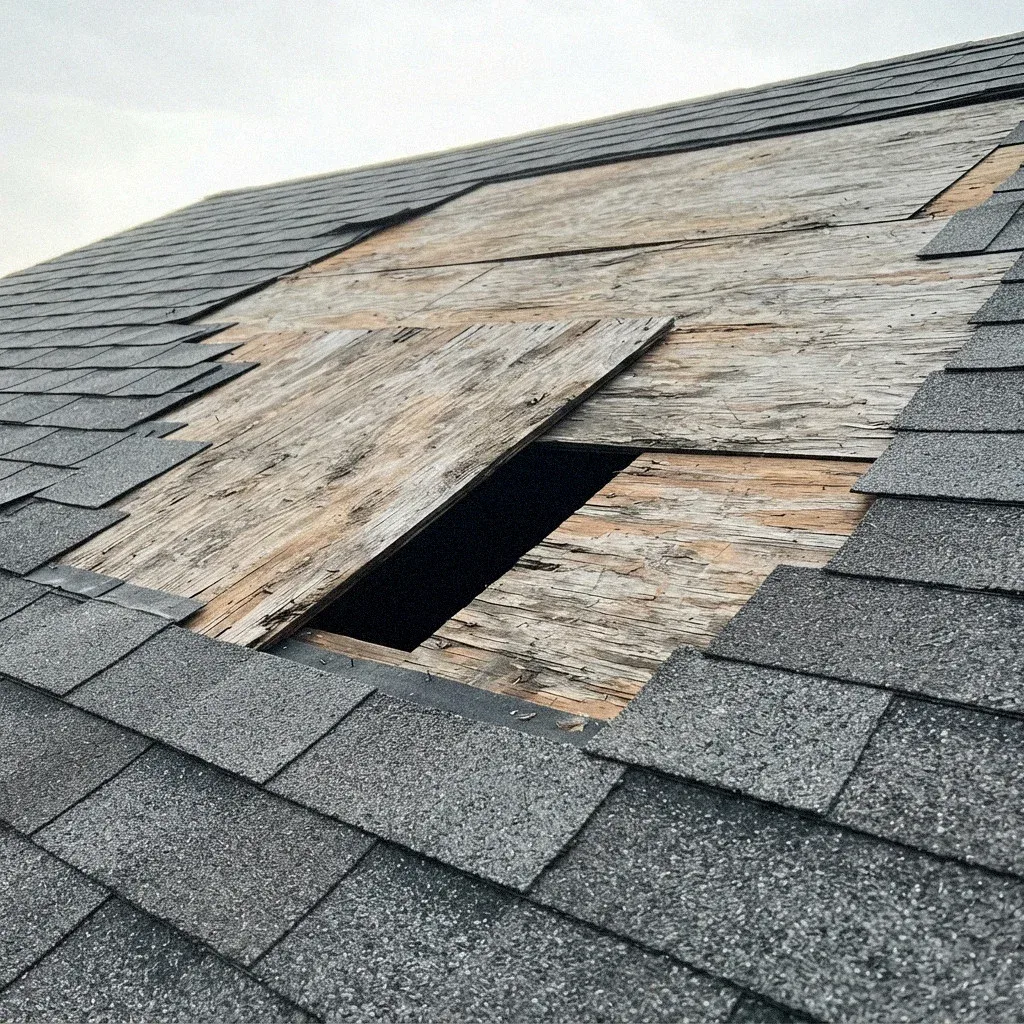
Soft or rotted decking found once tear-off starts, replaced before the new roof goes down.
Learn about Roof Decking & Sheathing Repair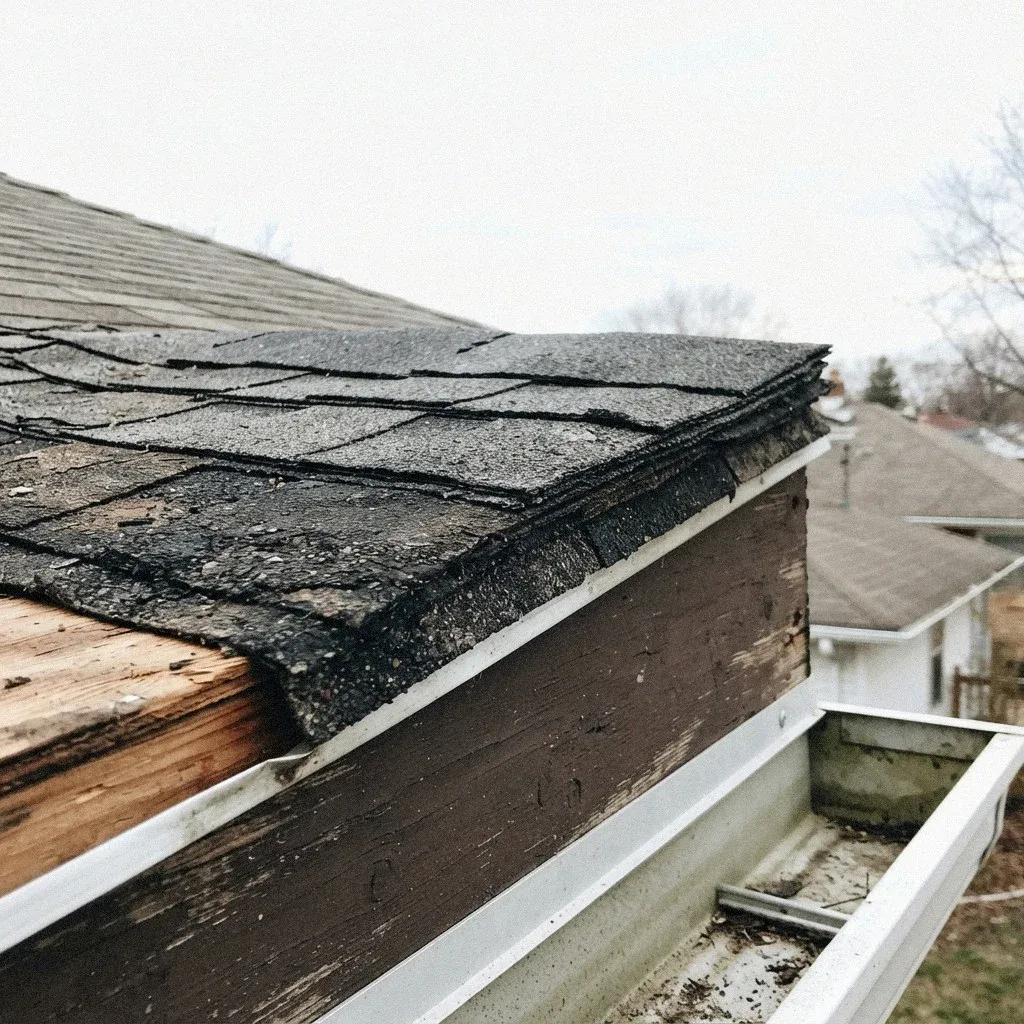
Old roof stripped to the deck, new system built back up right.
Learn about Roof ReplacementHomes and businesses across Jacksonville, FL deal with roofing challenges that shift with the seasons, and older properties in the area tend to feel them first. From Emergency Roof Tarping, Roof Leak Repair, Storm & Wind Damage Roof Repair, Jacksonville FL Roof Repair Pros focuses on the problems Jacksonville property owners actually face, not a generic checklist.
Rather than patching the stain, the roof is inspected from above and the water traced back to where it is actually getting in, so the repair holds through the next wet season. That is true whether you need Roof Repair and Flashing & Chimney Repair.
Jacksonville FL Roof Repair Pros covers Jacksonville and the surrounding Duval County communities, from Downtown Jacksonville and Riverside to Avondale and Springfield. The roofers on the other end of the call already work these streets, so the advice is grounded and there is no pressure to book on the spot. They know the area from Boone Park, Fishweir Creek, St. Johns Avenue, Willowbranch Park and beyond.
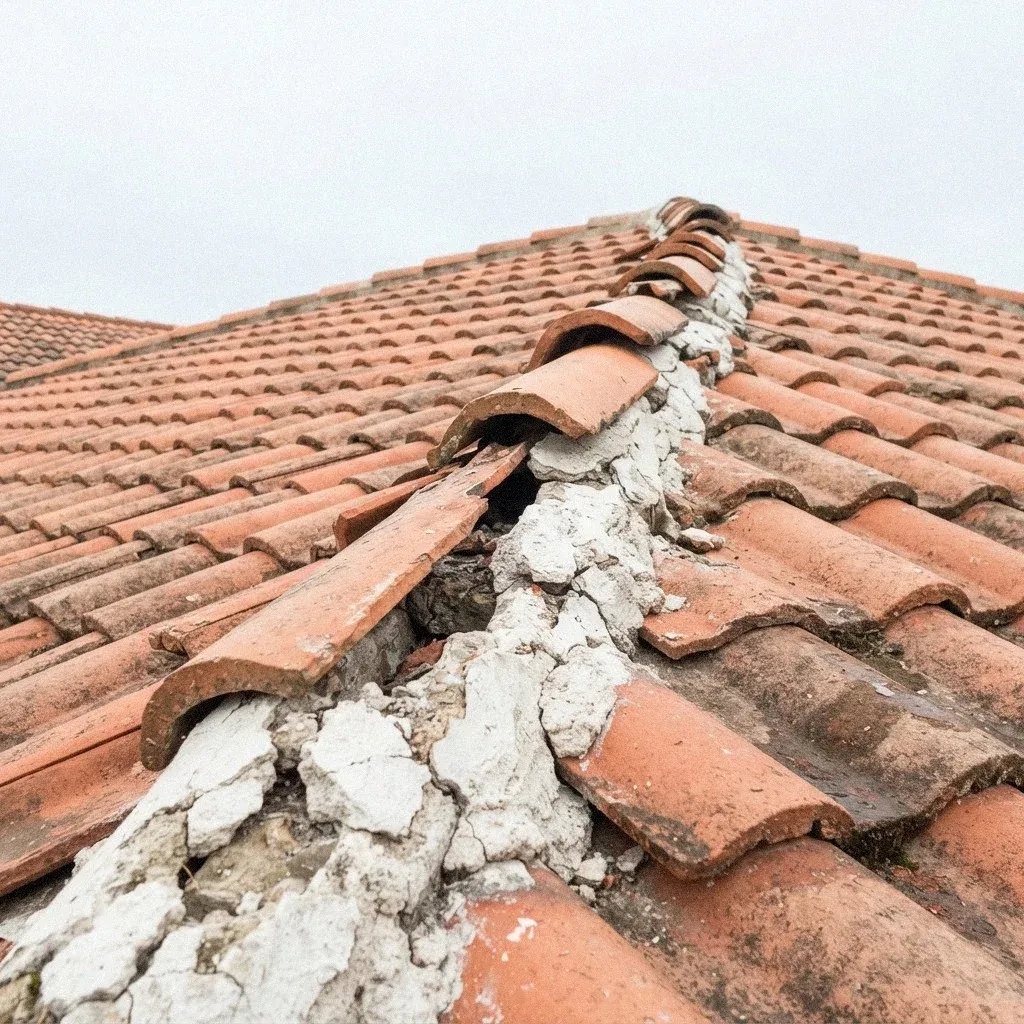
A reroof permit through Jacksonville's Building Inspection Division depends on what's being replaced, not just the neighborhood, whether that's near Five Points or out toward Oceanway. Owner-builder work on a new addition can carry different rules than a straight recover.
Homes and businesses right across Duval County. Call to check your street is covered and to have a licensed local roofer take a look.
A Jacksonville roof job usually opens with a phone call describing a stain over a Riverside porch or a shingle loss after wind off the Intracoastal Waterway. The licensed pros we connect you with schedule a walk of the slope, the flashing, and the attic to see what's actually failing.
Call (904) 675-6349 or book online. We ask a few quick questions - where the water is showing, how old the roof is, whether anything is actively dripping - and connect you with the soonest visit that works for you.
One of the licensed pros we connect you with goes up on the roof, photographs what they find, and traces the leak back to where it is actually getting in rather than where the stain is. The plan and the estimated price are explained before any work starts.
Water travels along a rafter and shows up feet from where it got in, so a repair aimed at the stain looks successful for a season and then fails in the same place. The flashing, the boot or the lifted course that let it in is what gets replaced.
The work is not finished when the hole is covered. Decking is checked for soft spots, the surrounding courses are re-sealed, the debris is swept for nails, and you get the photographs of what was done underneath.
From that visit comes a written scope: tear-off or recover, shingle type, decking repair if the inspection found soft spots. Duval County work gets pulled under a permit before anything starts, and jobs near San Marco or Mandarin get timed around the afternoon thunderstorm pattern.
Someone local picks up, works out how urgent it is, and schedules the soonest available visit, plus a few simple things to do in the meantime.
They arrive ready to work rather than only to look, with tarps, sealant and enough material to stop an active leak on the same visit where the weather allows it.
The licensed pros we connect you with trace the water back to the entry point, cover it properly, and tell you plainly whether it is a repair or the start of a replacement.
You get photographs of the work from the roof, not a verbal summary from the driveway - which is what stops a job being called finished while a course of flashing is still open.
A lifted shingle near Riverside or San Marco looks small from the street, but wind has already opened a path to the underlayment beneath it.
A clogged valley on a Northside or Arlington roof forces runoff sideways instead of down, and that water finds its way under the flashing within a season or two.
Jacksonville roof calls mostly follow afternoon thunderstorms, not named storms. Slab-on-grade homes across Westside and Southside see ponding around low-slope additions, while older crawl-space houses near Riverside and Avondale develop soft decking where gutters overflow. Flat roofline transitions and pipe boots take the worst of Duval County's summer rain.
Most emergency calls start with an active leak spreading fast inside a Jacksonville home — a ceiling stain over a Murray Hill living room, or water dripping straight into a Riverside hallway during one of the region's heavy afternoon thunderstorms. Wind can drive rain sideways under shingles that were never breached from above. Once that water intrusion reaches insulation and drywall, waiting even one more day for a permanent fix costs more than the emergency tarping does, so the call usually comes in mid-storm, not after.
Emergency Roof Tarping →A brown ring on a Riverside or San Marco ceiling marks where water pooled and soaked through drywall, not where it got in. Water travels sideways along the roof deck and framing before gravity pulls it down, so the true leak source can sit several feet upslope from that mark, often closer to an exterior wall than the stain suggests.
Roof Leak Repair →Walk the property first, before calling anyone. Wind uplift after a Jacksonville thunderstorm or tropical system tends to show up as blown-off shingles scattered across the lawn or wedged in a fence line near Arlington and Northside blocks alike. Creased shingles are the trickier sign — they fold instead of tear and can lie flat again once the wind drops, so lifted tabs along a ridge or eave are worth a closer look even when nothing looks torn off.
Storm & Wind Damage Roof Repair →A few tabs cracked or missing on one slope, often the side that catches the worst of a summer squall off the St. Johns River, is usually a spot repair rather than grounds for a new roof. Jacksonville homes near Mandarin or Arlington see this after a rough afternoon thunderstorm blows through. The pros we connect you with check whether the mat underneath is still sound before deciding how much of that slope actually needs new shingles.
Roof Repair →Look at the brick face below where a chimney passes through the roof, common on Riverside and Avondale homes with masonry chimneys. Streaks running down from the counterflashing line mean water is getting behind the metal instead of shedding over it. Jacksonville's afternoon thunderstorms drive rain sideways as often as straight down, so a joint that stayed dry in a light shower can still be letting water in during a harder one.
Flashing & Chimney Repair →A brown ring on the ceiling below a skylight in an Avondale or San Marco bungalow usually shows up within a day of a hard afternoon thunderstorm. That timing matters. Water that only shows after rain points toward the roof side of the unit, not the glass itself. Before booking anything, note whether the stain grows during a storm or stays put on dry, humid Jacksonville mornings — that difference decides what gets inspected first.
Skylight Repair & Replacement →Square footage, pitch, and material drive most of the number, but Jacksonville adds a wrinkle: older homes in Riverside, Avondale, and Springfield often hide plank decking under the shingles, and swapping that out costs more than a straightforward tear-off on a newer Mandarin or Arlington slab home. Ask any bidder to walk the roof and price the decking separately before you compare numbers.
Shingle roofs here often wear faster than the manufacturer's rated lifespan because of heavy summer sun and the pounding afternoon thunderstorms that build over the St. Johns River most days from June through September. Homes in Riverside and Springfield with mature tree cover see extra granule loss where shade keeps shingles damp longer. Wind-driven rain during hurricane season also stresses flashing and valleys years before a roof's expected end date arrives.
One damaged area after a thunderstorm rolling off the St. Johns River, like a torn ridge cap or a leak at a single pipe boot, usually gets patched. If the roofing pro finds soft plywood in more than one spot, or shingles that have lost their granules across whole slopes, patching just delays a bigger bill and the leak keeps finding new paths inside.
Timing shifts with the calendar more than the neighborhood. During hurricane season, active leaks reported after a named storm or a rough afternoon thunderstorm in Arlington or the Westside tend to get looked at first, since standing water inside a home only gets worse by the hour. Outside storm season, a routine inspection in Ortega or St. Nicholas can usually be scheduled within a normal business week.
Most roofing jobs in Jacksonville go through the Building Inspection Division before work starts, filed through the city's JaxEPICS system. There's a narrow carve-out for homeowners doing their own roof as part of a larger owner-built project, but that's the exception, not the rule. Ask any contractor to show you the permit record, not just tell you it's handled.
It depends on the cause. Damage tied to a documented hurricane or a severe wind event that swept through Jacksonville is the kind of claim insurers expect and often approve, especially with photos taken soon after. A roof that's simply old and worn out from years of sun and rain is typically treated as maintenance, not damage, and isn't a covered claim. An adjuster's assessment usually settles which category applies.
Florida requires a state-issued roofing contractor credential through the Construction Industry Licensing Board, and it's searchable by name on the state's license lookup site. A trustworthy pro hands you that number without being asked and carries liability coverage. One who wants full payment up front, before a permit or a shingle, is the clearest warning sign in Duval County.
Most Jacksonville reroofs happen outside the heart of hurricane season, since scheduling around tropical weather from June through November is harder and afternoon thunderstorms can delay a tear-off mid-job. Late fall through spring tends to bring drier, more predictable stretches for crews working on homes from Mandarin to the Northside. A roof in bad shape shouldn't wait for a calendar date, though, especially heading into summer.
A recurring leak at one spot usually means the original repair only patched the surface, not whatever's letting water in underneath, often a flashing seam, a nail hole, or a valley that channels more rainwater than the patch was built to handle. Homes near Fishweir Creek or the Ortega River, where roofs see a lot of wind-driven rain off the water, are especially prone to this. A proper fix traces the path water actually takes, not just where it shows up inside.
Whether a permit is required often comes down to the size and scope of the job, not just whether shingles are being swapped. Duval County still checks the work against current wind and code standards, so skipping that step can cost more later than it saves now.
Jacksonville roofs sit through a hurricane season every year and take on afternoon thunderstorms most weeks between, then get sun that ages shingles faster than milder climates. A slab-on-grade ranch near Mandarin wears differently than a century-old crawl-space home in Avondale with a steeper roofline. Knowing your situation before you call anyone saves time. Tell us what you are seeing and where you are, and the licensed pros we connect you with can take it from there.
Call (904) 675-6349