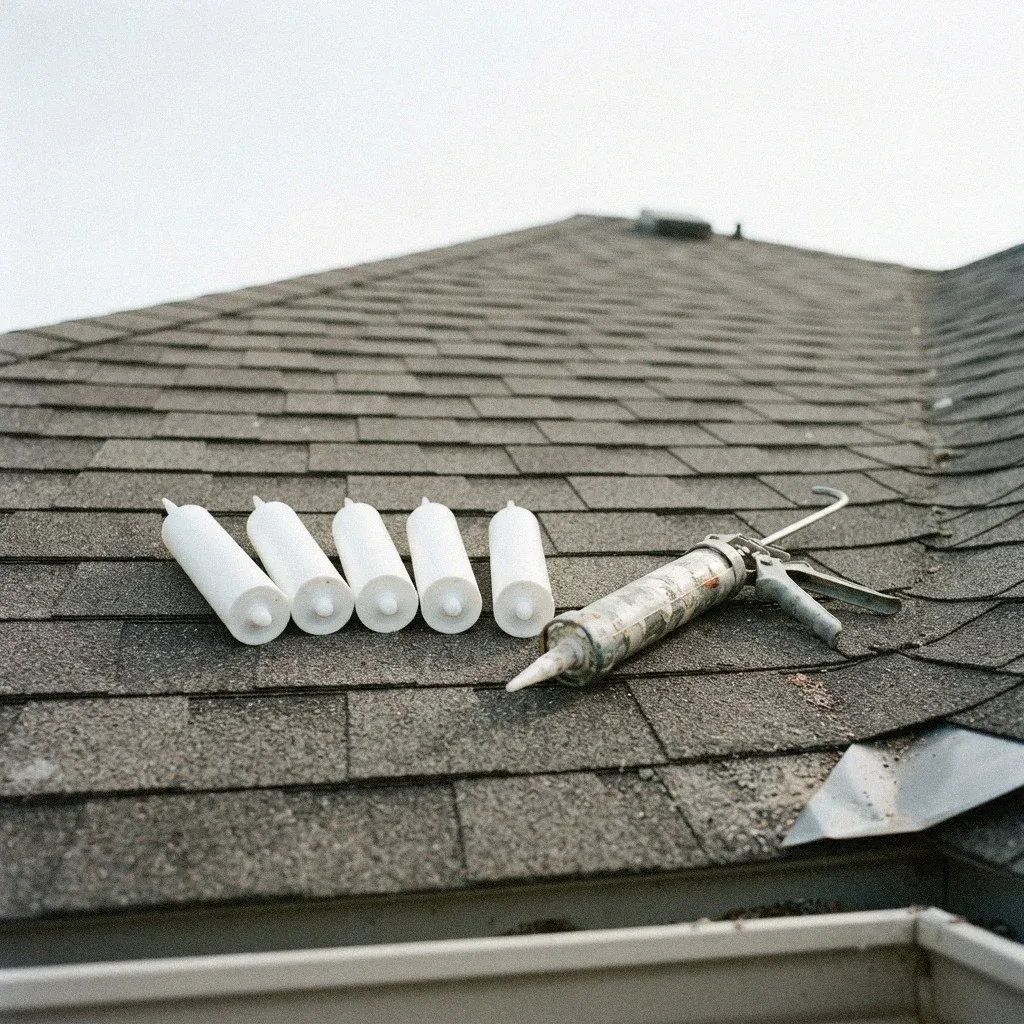
What's Actually Done in a Roof Tune-Up in Jacksonville, FL
Sealant renewal, pipe boots, fastener heads, flashing seams — a maintenance visit works through a specific list. Here's what's on it, and where the list stops and repair begins.
Read article
Chimney, valley and sidewall metal resealed or replaced by a local licensed pro, before the next storm.
Chimney flashing repair Jacksonville, FL means resealing or replacing the metal where your roof meets a chimney, wall or valley.
Call (904) 675-6349 now and we'll connect you with a local licensed pro before the next summer downpour.
Chimney flashing is the metal that seals the joint where your roof meets the chimney, and it leaks when that metal rusts, shifts or pulls loose.
Heat expands and contracts the metal every day, which works nails and sealant loose long before a joint starts to drip.
Good counterflashing is cut into the mortar joint above, not caulked to the brick face.
Step flashing repair means resealing the metal if it is sound, or replacing it if it is rusted or too short, along a wall-to-roof joint.
New pieces are woven in course by course with the shingles. If the metal has rusted at the fold, sealant only hides the problem until the next storm.
A missing kick-out flashing at the bottom of the run sends water behind the siding instead of into the gutter.
Chimney repair on the roof side means fixing the flashing and counterflashing and, on wider chimneys, adding a cricket.
A cricket is a small peaked piece on the high side of the chimney that moves rain and debris around it.
Tearing off roofing nearby tends to disturb the counterflashing, so a reroof often means resetting or replacing it.
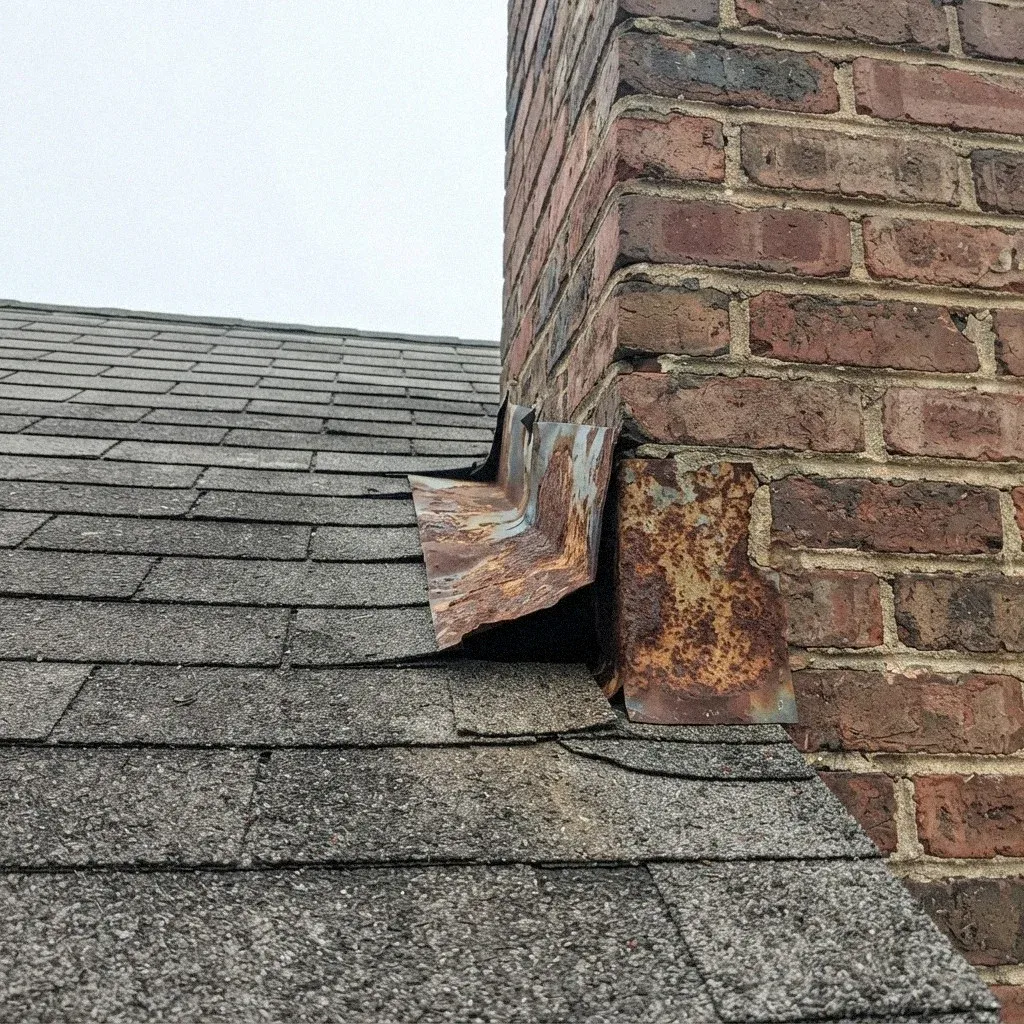
Streaks below the counterflashing line mean water is getting behind the metal instead of shedding over it. Wind-driven rain can push water into a joint that stayed dry in a light shower.
Caulk along a wall-to-roof joint should look continuous. Hairline gaps or a bead pulling back mean the step flashing behind it is carrying the joint alone.
A brown ring that traces to a valley usually means the valley metal is short or rusted through at a nail line. Every gallon off both slopes funnels through that one channel.
Rot or peeling paint on the wall right below a roof corner often means kick-out flashing is missing. Water is running behind the siding instead of into the gutter.
Chimneys, sidewalls, dormers, valleys, skylights, vent pipes and drip edge are checked in one pass, because a leak at one is often fed from another upslope.
Each joint gets its own call, based on whether the metal underneath is sound or corroded, not on how the sealant looks.
New step flashing is woven in with the shingles, and counterflashing is cut into the mortar joint above instead of caulked to the brick.
Finished joints are hose-tested where it makes sense, debris comes off the roof and out of the gutter, and you get photos of the new metal.
Older Jacksonville neighborhoods, from Springfield to Avondale, have masonry chimneys with counterflashing set in mortar long before the shingles were last replaced. Add heavy summer rain and wind-driven water at every valley and sidewall, and loose metal leaks long before the shingles show wear.
Flashing on a Jacksonville roof takes a beating from heat, not cold. Daily expansion and contraction works nails and sealant loose, so fasteners have usually been shifting a while before a joint leaks.
Duval County's Building Inspection Division applies the Florida Building Code. Chimney counterflashing or valley metal replaced as part of a larger roof job typically falls under the reroofing permit.
Ballpark pricing for flashing & chimney repair around Jacksonville. Nothing is charged until you have a written estimate in hand.
| Decking Condition | Attic Airflow | Work Schedule |
|---|---|---|
| Nobody knows what the decking looks like until the old covering is off, so get a per-sheet price for replacement written into the bid beforehand. On older Jacksonville houses a few soft sheets is normal, and settling that number on a half-stripped roof never goes the homeowner's way. | Roof, attic, and gutters checked together with photos for an insurance claim | an estimated $245–$1805 |
| Attic airflow gets left off cheap bids because it is invisible from the street. Ask whether the soffit intake is being checked and cleared, whether baffles are going in at the eaves, and what the ridge or off-ridge exhaust will be. A Jacksonville roof with no intake cooks itself from underneath. | Single-layer tear-off, new underlayment, one standard shingle color choice | an estimated $350–$2470 |
| Ask how the schedule handles rain. Through a Jacksonville summer a crew will lose part of most afternoons, and the honest answer is that the deck gets opened in sections and dried in before dark rather than stripped all at once and covered with a tarp overnight. | Reroof with new flashing at every wall tie-in, gutters left in place | an estimated $455–$3420 |
| A start date that is tomorrow is not always good news. A roofer with nothing booked in the middle of a Duval County hurricane season is either new, between crews, or has just finished a job that ended badly. Ask what they finished last week and where. | Large reroof with skylight flashing rebuilt, no drywall or paint touch-up | an estimated $630–$4940 |
Ask for a written scope that names underlayment, flashing, and disposal, not just a total price. Find out up front whether that number changes if old decking underneath turns out soft or damaged, since that discovery is common and expensive to argue about mid-job.
Flashing is metal, and metal joints move and corrode years before shingles wear out. Fasteners shift with heat, and mortar-set counterflashing can pull away as the joint dries, so summer rain finds small gaps first.
Both are real options, and the condition of the metal decides which. If the metal is sound and only the sealant has failed, resealing lasts for years. If it has rusted at the fold or is too short for the slope, sealant just hides the problem.
Often, yes. Counterflashing is tied into the shingle courses and set into the mortar above, so tearing off nearby roofing tends to disturb it. Most jobs around Springfield and Riverside chimneys plan on resetting or replacing it.
Kick-out flashing is a small angled piece at the bottom of a step flashing run that throws water into the gutter instead of behind the siding. Many Jacksonville houses were built without one because it was not always required. Rot or peeling paint on the wall below that corner is the tell.
Every roof is different, so the only accurate number comes from somebody going up and looking. That said, most flashing & chimney repair jobs in Jacksonville run an estimated $350–$1900 per job, depending on the size of the roof and how steep it is. The figure is confirmed in writing before anything is ordered.
Most roof failures here trace back to routine wear nobody tracked. Fasteners loosen, sealant dries out, and granules wash off a little more with every heavy rain. None of it looks urgent on its own, but the combination is exactly what turns a minor repair into a full reroof.

Sealant renewal, pipe boots, fastener heads, flashing seams — a maintenance visit works through a specific list. Here's what's on it, and where the list stops and repair begins.
Read article
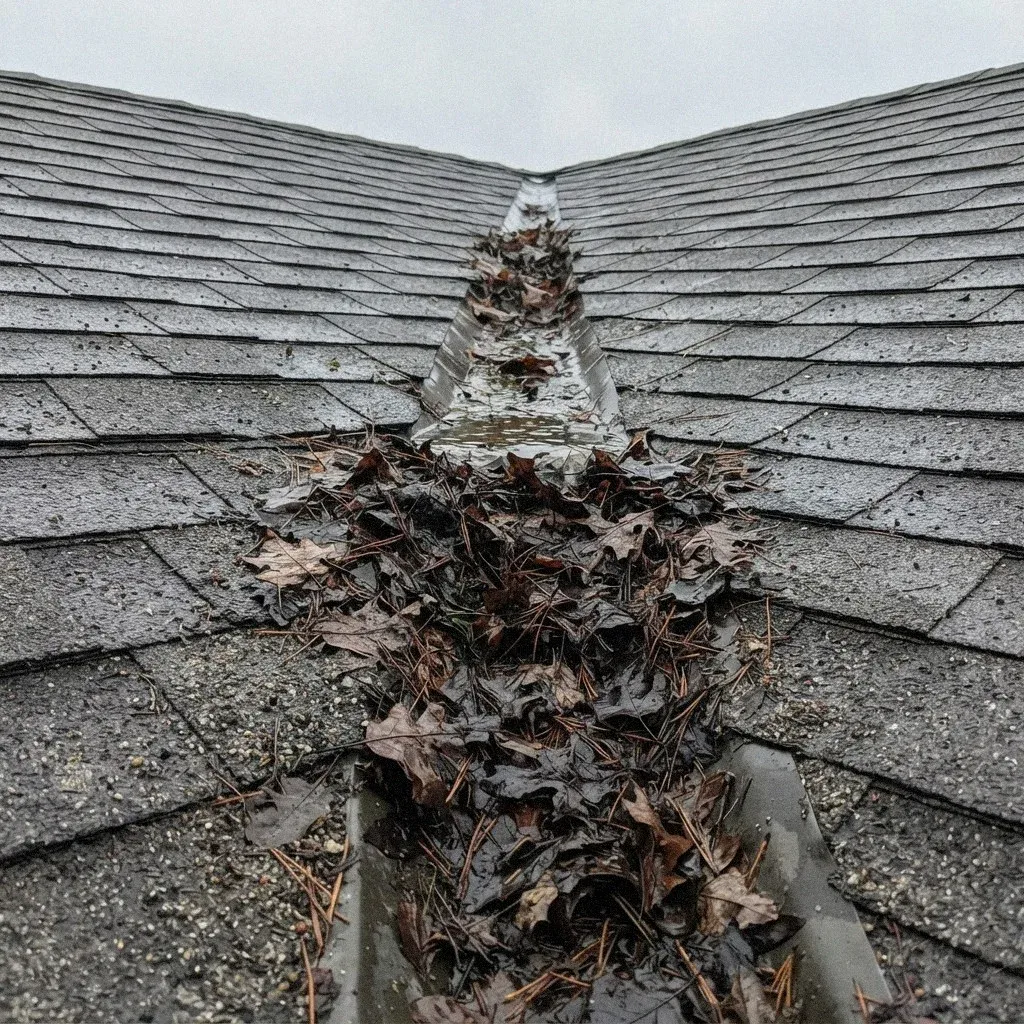
Oak and palm litter builds up in valleys and behind chimneys on Jacksonville roofs faster than most homeowners notice. Left alone, it holds moisture against the covering and blocks drainage during afternoon thunderstorms.
Read article
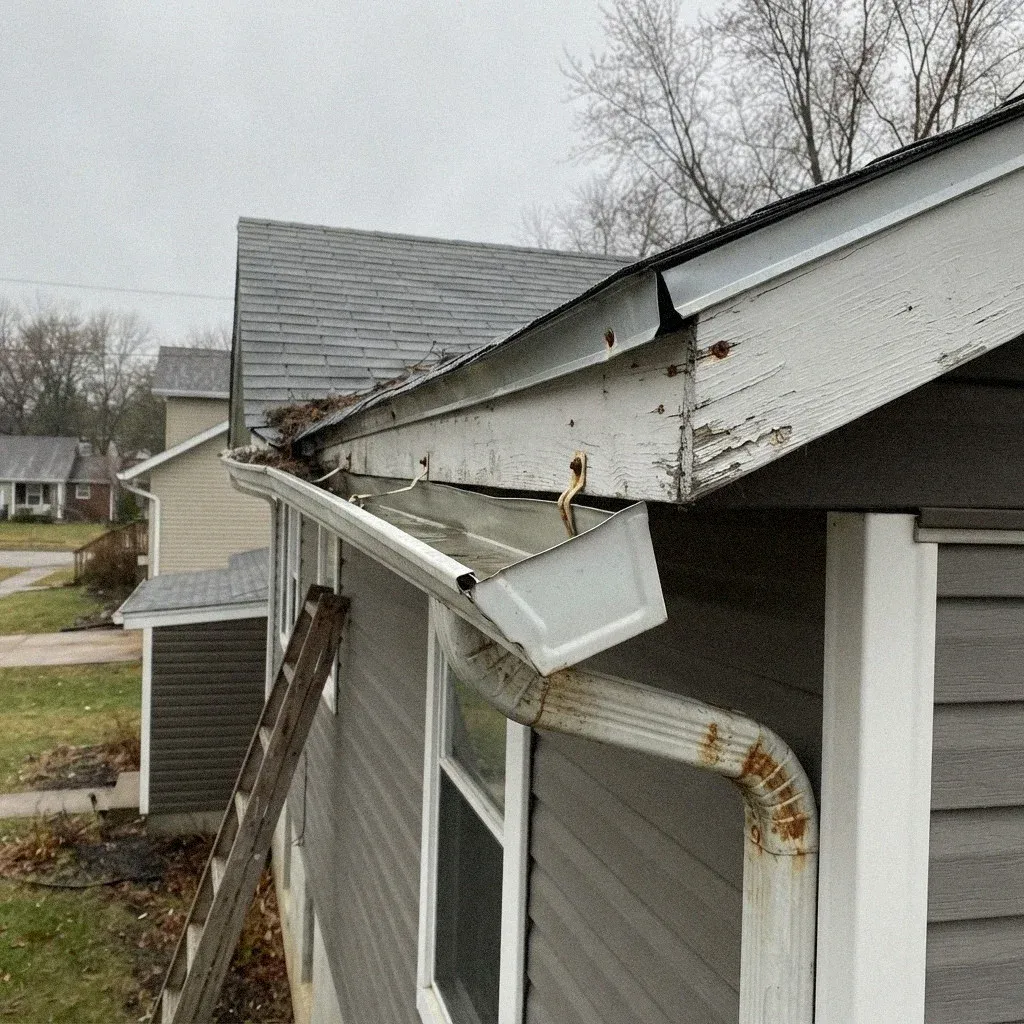
Jacksonville's heaviest rain lands hard and fast, and a roof either sheds it cleanly or finds every weak spot at once. This piece walks through the pre-rain order: gutters first, then flashing, sealant, and a ground-level look at the roof plane, before the scheduling window closes.
Read articleOne call is enough to start. Say what the roof is doing and roughly when it started, and the licensed pros we connect you with will tell you whether it needs looking at this week or can wait for the next dry stretch. If something is actively coming through a ceiling in Jacksonville, say so on the call, because that moves to the front of the list and gets covered the same day rather than scheduled.
Call (904) 675-6349