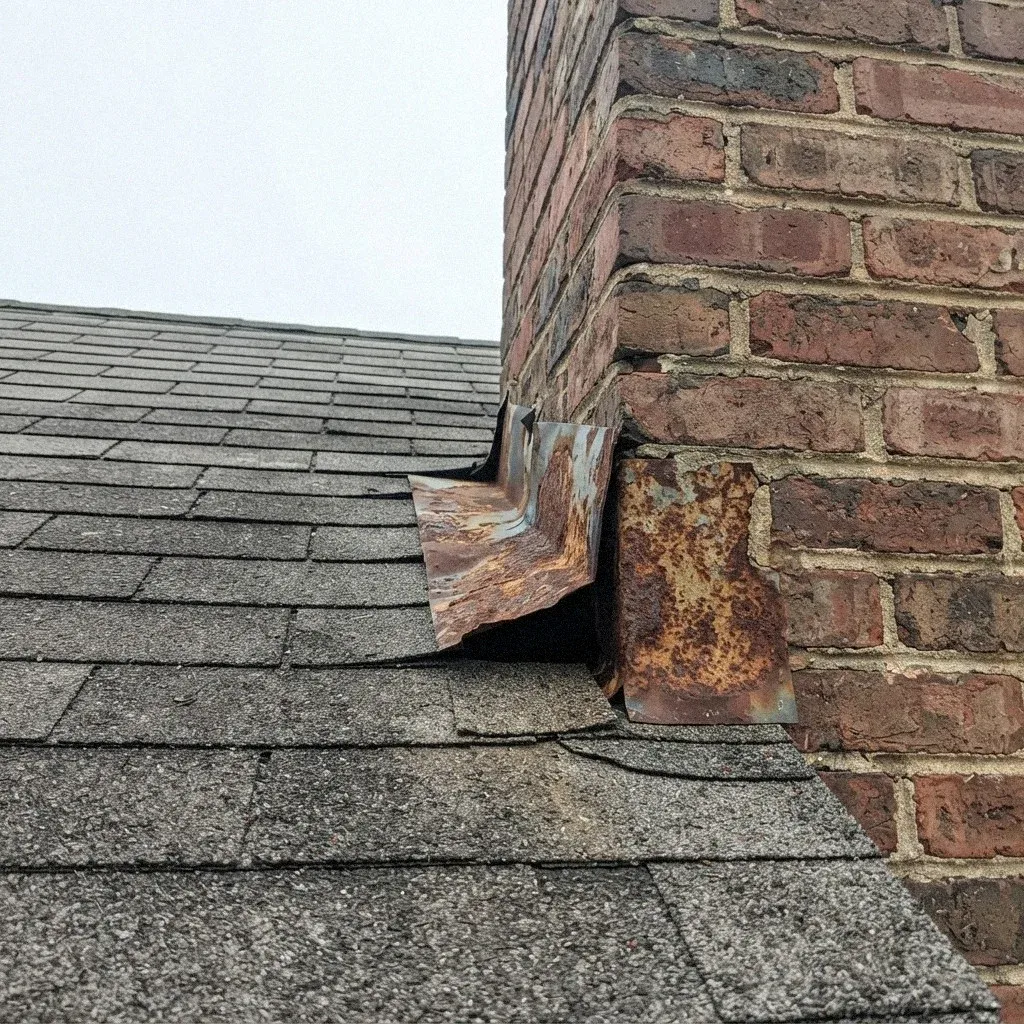
Flashing & Chimney Repair
Valleys, sidewalls and chimney metal resealed or replaced.
Learn about Flashing & Chimney RepairWooded 1970s-90s Westside subdivision off Blanding, not an open postwar grid.
Argyle Forest sits on the Westside off Blanding Boulevard, southwest of Cedar Hills toward Orange Park. Residents know Argyle Forest Club Boulevard, the wooded lots backing Big Fishweir tributaries, and the subdivision's mature pines. Homes here are mostly 1970s-90s brick-front ranches and two-story frame houses on slab foundations, with heavy tree canopy over most roofs.
Sun, humidity, and sudden downpours work on a roof year-round, and the wrong repair speeds that wear instead of slowing it.
Two-story houses and single-story houses fail in different places. On a two-story the wall-to-roof junctions and the taller rakes take more wind; on a single-story the eaves sit low enough that overflowing gutters reach the fascia and the soffit. Neither is worse, but they need different things looked at.
Afternoon thunderstorms drop heavy rain fast, and the pine and oak canopy over Argyle Forest lots means gutters clog and shingles collect debris faster than on open Westside streets. Wind-driven rain during hurricane season tests flashing around dormers common on these two-story homes. A minor roof issue left through one full hurricane season tends to become a major one. Loose flashing or a cracked shingle that would take an afternoon to fix in spring can turn into a full deck repair by the time fall arrives.
Ballpark figures so you can plan. Nothing is charged until you have seen a written estimate for your own property.
| Service | Estimated cost |
|---|---|
| Flashing & Chimney Repair | an estimated $350–$1900 |
| Gutter Cleaning & Gutter Guards | an estimated $175–$500 |
| Gutter Repair & Replacement | an estimated $1200–$4800 |
Cedar Hills sits north of Argyle Forest along the same Blanding Boulevard corridor, but its housing stock runs older, mostly 1940s-1969 construction, so the roofing questions there lean toward original materials nearing the end of their life rather than storm-related repair on newer trusses.
Jacksonville Heights borders this pocket to the west, sharing the same Westside service radius and similar wooded lot cover, though its street layout predates the master-planned cul-de-sac clusters found deeper inside Argyle Forest.
Orange Park lies just south past the Duval County line, close enough that drive time barely changes, but it falls under a different jurisdiction for permitting than the Jacksonville city limits side of Blanding Boulevard.
Valleys, sidewalls and chimney metal resealed or replaced.
Learn about Flashing & Chimney Repair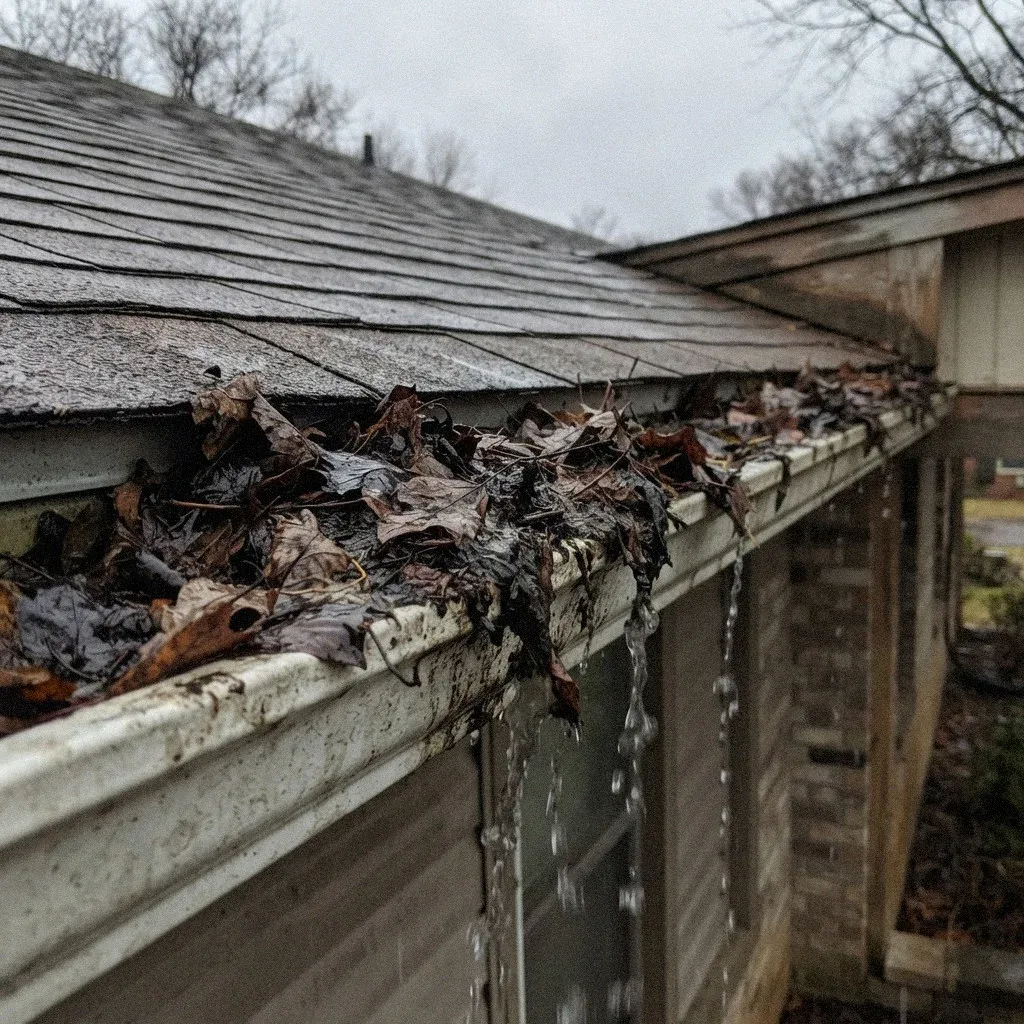
Cleared gutters and downspouts, plus guards that cut how often you climb up.
Learn about Gutter Cleaning & Gutter Guards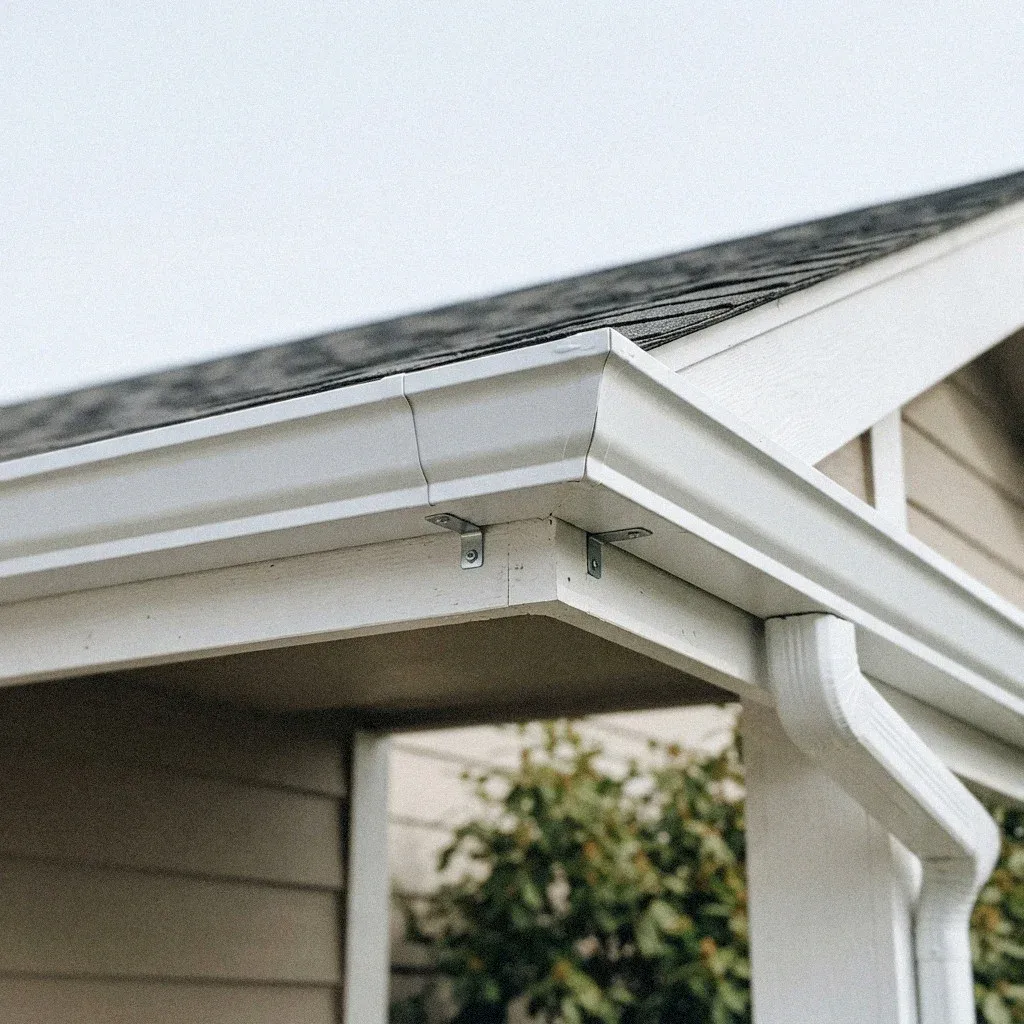
Rehung where it holds, replaced where fascia has already given way.
Learn about Gutter Repair & Replacement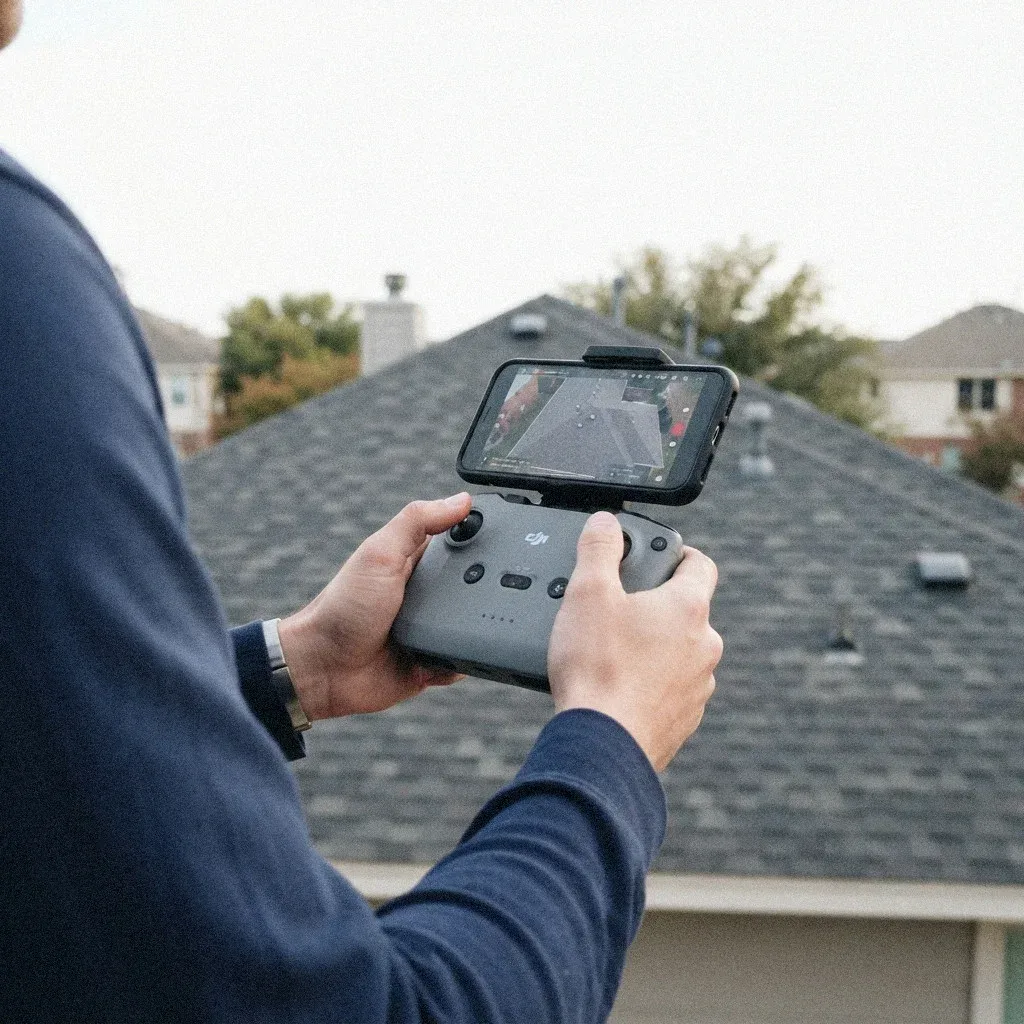
A documented, photographed record of your roof's real condition.
Learn about Roof InspectionDowntown Jacksonville · Riverside · Avondale · Springfield · San Marco · Arlington · San Jose · Mandarin
Yes. Argyle Forest falls within Duval County and within reach for the licensed pros we connect you with, off Blanding Boulevard on Jacksonville's Westside. Whether it's a truss roof replacement in a cul-de-sac subdivision or a repair after an afternoon thunderstorm, a homeowner here can expect the same response as anywhere else in this service radius, no separate arrangement needed.
Many of the platted sections built here through the 1980s and 1990s carry an HOA or architectural review step for roofing color and material, since this grew up as planned subdivision housing rather than an older unincorporated plat. Check your specific plat's covenants before ordering shingles, since rules vary block to block even within the same neighborhood.
Tree-related wear is the recurring issue — limb strikes, needle and leaf buildup in valleys, and shaded sections of roof that stay damp longer after Jacksonville's summer thunderstorms. Homes on wooded lot lines see more granule loss over time than the more open cul-de-sac lots, and flashing around chimneys and vents tends to be where the leaks actually start.
Asphalt shingle covers the large majority of roofs here, with truss-framed hip and gable combinations typical of the build era. Concrete block first-floor construction with frame gable ends is common, and roofline complexity increases in the later 1990s sections, where builders added more dormers and roof planes than the flatter, simpler runs from the early 1980s phase.
Jacksonville's Building Inspection Division handles the roofing permit, not Duval County directly and not any subdivision's HOA. That distinction catches people who assume the architectural review committee's sign-off covers the permit too — it does not; the city process runs separately from whatever approval the neighborhood requires for appearance.
Often within a few hours for anything urgent. Argyle Forest is 13 miles southwest of downtown Jacksonville, off Blanding Boulevard, and the licensed pros we connect you with arrive equipped to fix rather than just look, so the first visit usually settles it. Overnight and weekend availability is there for the situations that cannot wait until morning.
Every part of Jacksonville answers to the same hurricane season, but not the same way. A crawl-space home near Springfield with an older roofline ages differently than a slab ranch off Southside Boulevard with a lower pitch and newer materials. Drainage after a heavy afternoon thunderstorm matters too, especially on blocks nearer the St. Johns River. The licensed pros we connect you with can speak to what your specific street tends to see, not just the city in general.
Call (904) 675-6349