A house near San Marco or out toward Mandarin can sell with a roof well past its prime, but the roof stops being a footnote once a buyer's inspector climbs up there. Florida sellers have a disclosure duty for known material defects, and an aging roof with visible wear usually counts. The seller doesn't have to guess at remaining useful life, but hiding a known leak or a patch job invites trouble after closing.
Roof Age and What Buyers See
Disclosure in Florida means telling a buyer what the seller actually knows, not guaranteeing the roof's future. A seller who has never had a leak and has no reason to suspect one isn't required to invent problems. But a Jacksonville homeowner who patched a leak after a summer thunderstorm, or knows a valley near the chimney weeps in heavy rain, has to put that in writing. Silence about a known issue is the risk, not the roof's age by itself.
What the Disclosure Statement Covers
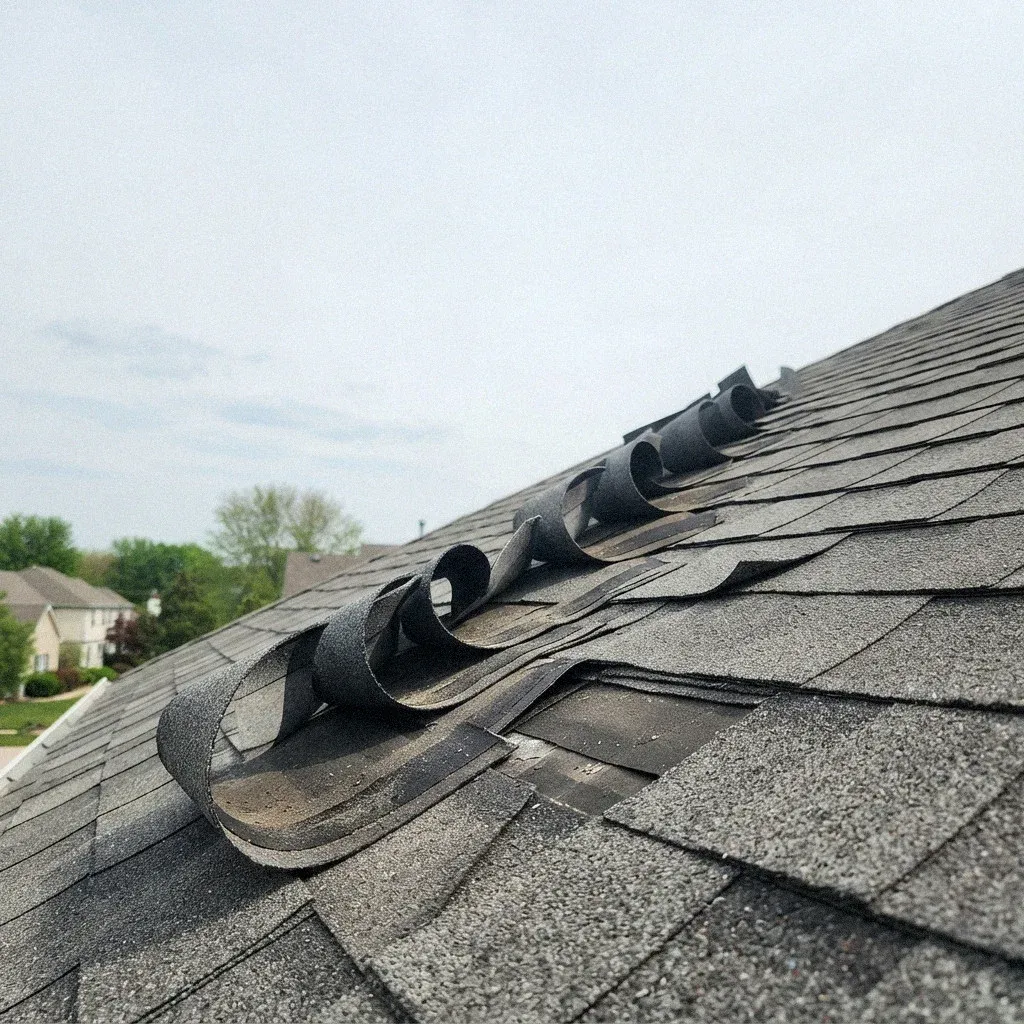
Once a buyer's offer is accepted, an inspection contingency usually follows, and an aged roof draws attention fast. Inspectors around Jacksonville routinely flag curling shingles, exposed fasteners, or soft decking as items worth a second opinion. That report becomes the basis for negotiation, not an automatic deal-killer. A roof that's old but intact reads differently on paper than one already leaking, and buyers react to the difference.
When a Buyer Asks for an Inspection
When the inspection turns up roof concerns, the contract usually offers two paths forward. A repair addendum asks the seller to fix specific items before closing, using the licensed pros the buyer or seller connects with for the work. A seller credit instead lowers the seller's proceeds so the buyer handles repairs after taking title. Neither path is automatic; it's negotiated, and either can stall a deal near Riverside or Avondale if both sides dig in.
Repair Addendum or Seller Credit
A lender financing the purchase adds its own layer on top of what the buyer wants. If an appraiser flags roof condition, the loan can carry an appraisal condition or a lender-required repair before funding closes. Some lenders will hold funds back in an escrow holdback tied to roof work instead of delaying the closing date entirely. Either way, the roof's condition becomes the bank's concern, not just the two parties negotiating.
Selling As-Is Near Duval County
Selling as-is in Jacksonville doesn't remove the seller's obligation to disclose known material defects — it just means the buyer accepts the home's condition without asking for repairs first. A Northside or Westside seller who knows about active leaks, prior patch jobs, or interior water stains still has to put that in writing. As-is mainly changes who pays for fixes, not what gets told upfront, and a buyer's lender may still require repairs regardless of the as-is label.
How Lenders Read an Old Roof
Insurability is its own separate hurdle, sitting apart from what the buyer or lender wants. A carrier writing a new policy for the buyer may decline or require a roof certification before issuing an insurance binder, especially on a roof already showing deferred maintenance. Without a binder in hand, some lenders won't close at all. A Jacksonville seller with an aging roof is sometimes negotiating around the insurance company's opinion as much as the buyer's.
Why Appraisers Flag Roof Condition
A roof certification is a licensed inspector's written opinion on a roof's current condition and rough remaining life, often requested specifically for insurance purposes rather than for the buyer's own decision-making. Carriers use it to decide whether to write or renew a policy on an older home in Arlington or out near Baymeadows. It's a narrower document than a general home inspection, focused on the one system insurers care most about after a Florida hurricane season.
Getting a Policy on an Older Roof
Appraisal conditions tied to the roof usually show up as a required repair listed on the appraisal report itself, not a suggestion. The lender won't release loan funds until that item is addressed and, often, reinspected. This differs from a repair addendum negotiated between buyer and seller, because the appraisal condition comes from the lender's own risk decision. A seller near Ortega or Springfield can agree to buyer terms and still hit this separate lender requirement later.
What a Roof Certification Shows
Deferred maintenance on a roof, meaning wear that's been left unaddressed rather than actively worsening damage, reads differently to an inspector than active water intrusion. A roof with years of sun exposure and a few lifted shingles isn't the same finding as one with a documented leak history. Buyers and their inspectors in Jacksonville generally treat the two differently, and that distinction shapes whether the conversation turns toward a credit or toward a firmer repair demand.
Estimating Remaining Useful Life
None of this requires the seller to replace the roof before listing. Many Jacksonville homes near Murray Hill or Lake Shore sell with older roofs still in place, priced and negotiated around rather than replaced first. What matters is knowing which known defects have to be disclosed, what an inspection is likely to surface, and how a lender's appraisal condition or an insurer's certification requirement might shape the closing timeline before the property ever hits the market.
Deferred Maintenance Adds Up at Closing
An old roof changes the shape of a Jacksonville sale more than it blocks one. Disclosure comes first, then the buyer's inspection, then whatever mix of repair addendum, seller credit, or lender condition follows from what that inspection finds. Insurability sits underneath all of it, since a binder has to exist for many closings to happen at all. Selling with the roof still on is common; selling without knowing where it stands is the actual risk.
Dealing with this in your home?
Jacksonville roofs wear out street by street, not city-wide. Riverside and Avondale still carry crawl-space homes from the 1920s, where old decking meets modern afternoon thunderstorms. Cross the St. Johns River into Arlington and it's mostly slab homes with 1950s-60s roof lines needing different attention. San Marco's stucco bungalows near San Marco Square age differently again.