Jacksonville homeowners often assume summer is the best season for outdoor projects, but that's backward for roofing. Summer brings the heaviest part of the wet season, with afternoon thunderstorms rolling in from June through September and hurricane season stacking risk on top of that. The stretch that actually works for a reroof runs from late fall into early spring, when Jacksonville sees fewer downpours and steadier, drier days for a crew to work an open deck safely.
Why Dry Days Matter
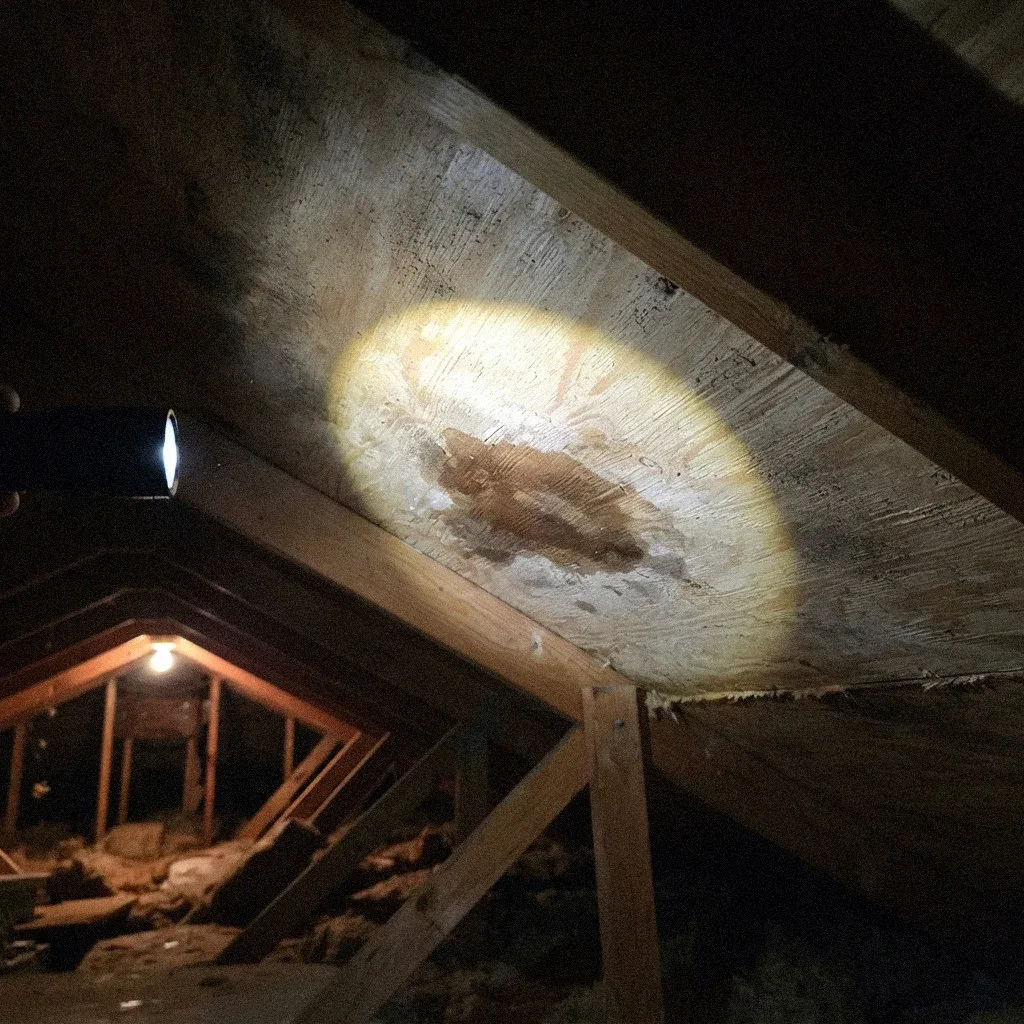
A reroof means the old shingles come off and the deck sits open, even briefly, before new underlayment goes down. Rain during that window is the enemy, not the wind. Dry stretches in Jacksonville's cooler months let a tear-off happen without a rushed race against an afternoon storm rolling in off the St. Johns River, which is common in summer but far less frequent once the wet season eases.
Sealant Strips Need Heat
Shingle sealant strips bond through thermal sealing, meaning sun and warm air fuse them into a solid, wind-resistant surface. Jacksonville's mild winter days, especially with lows rarely dropping into a hard freeze, still deliver enough afternoon warmth for that bond to set properly. Cool but sunny days in neighborhoods like Mandarin or Arlington give sealant strips time to activate without the extreme heat and sudden storms that summer installs have to work around.
Dry-In Happens Faster
Dry-in, the point where underlayment is secured and the roof is protected from rain again, can't happen fast enough when a storm is building. In the dry months, a Jacksonville crew can move through tear-off, sheathing repairs, and dry-in on a predictable timeline instead of stopping and covering an open deck every time clouds build over Southbank or Northbank in the afternoon.
Hurricane Season Pressure
Hurricane season runs through the wet months, and that changes how homeowners think about timing. Nobody wants a roof mid-tear-off when a storm is tracking toward the coast. Scheduling a reroof before hurricane season builds momentum means the work is finished and the new roof is weathering storms instead of being caught unfinished, which matters most for older homes in Springfield or Riverside with roofs original to an earlier era.
Why Schedules Fill Early
The dry season is also when every homeowner in Duval County wants the same thing done, so scheduling backlog builds fast. Crews booked for a roofing permit and a reroof in December often filled that slot back in October. Waiting until the weather turns cold rarely leaves room on a calendar that's already tight from Westside to Southside.
Lead Time to Expect
Booking early buys a homeowner a spot before Northside and Southside crews fill their calendars ahead of hurricane season. Once afternoon thunderstorms settle over Arlington and San Marco most days, open decks sit exposed longer between tear-off and dry-in, and rushed sealant strip bonding rarely holds. Homeowners near Ortega or Mandarin who call in the shoulder season get realistic lead times instead of a scheduling backlog, and staging and dumpster placement go smoother when a driveway isn't shared with storm-damage jobs stacking up across Jacksonville.
Shoulder Season Tradeoffs
Shoulder season, the weeks bridging peak dry demand and the start of summer rain, can still work for a reroof, but the margin for error shrinks. A homeowner in Baymeadows or San Marco booking in April or May is racing the first heavy rains rather than working comfortably ahead of them, so any permitting delay eats into the safety cushion fast.
What Early Booking Buys
Booking early in the dry season buys a homeowner choice: choice of a specific week, choice of a crew that isn't stretched across too many jobs, and time to sort out a roofing permit through JaxEPICS without rushing paperwork. It also means dumpster placement and material staging can be planned around a driveway or street, not squeezed in around a family's schedule at the last minute.
Peak Season Crowding
Peak season for reroofing in Jacksonville tends to cluster right before hurricane season starts, as homeowners rush to finish before June. That crowding pushes crew availability thin and can stretch lead times well past what a homeowner expects. Starting the conversation in November or December, rather than April, avoids competing with every other roof job in Arlington or Mandarin for the same open week.
Weather Window Realities
No weather window is perfectly dry. Jacksonville can get a cold front with rain even in January. But the odds of finishing a tear-off, dry-in, and full reroof without a weather delay are far better in the cooler months than during a summer stretch when afternoon storms are close to a daily occurrence across the Northside and Westside alike.
Planning Around the Calendar
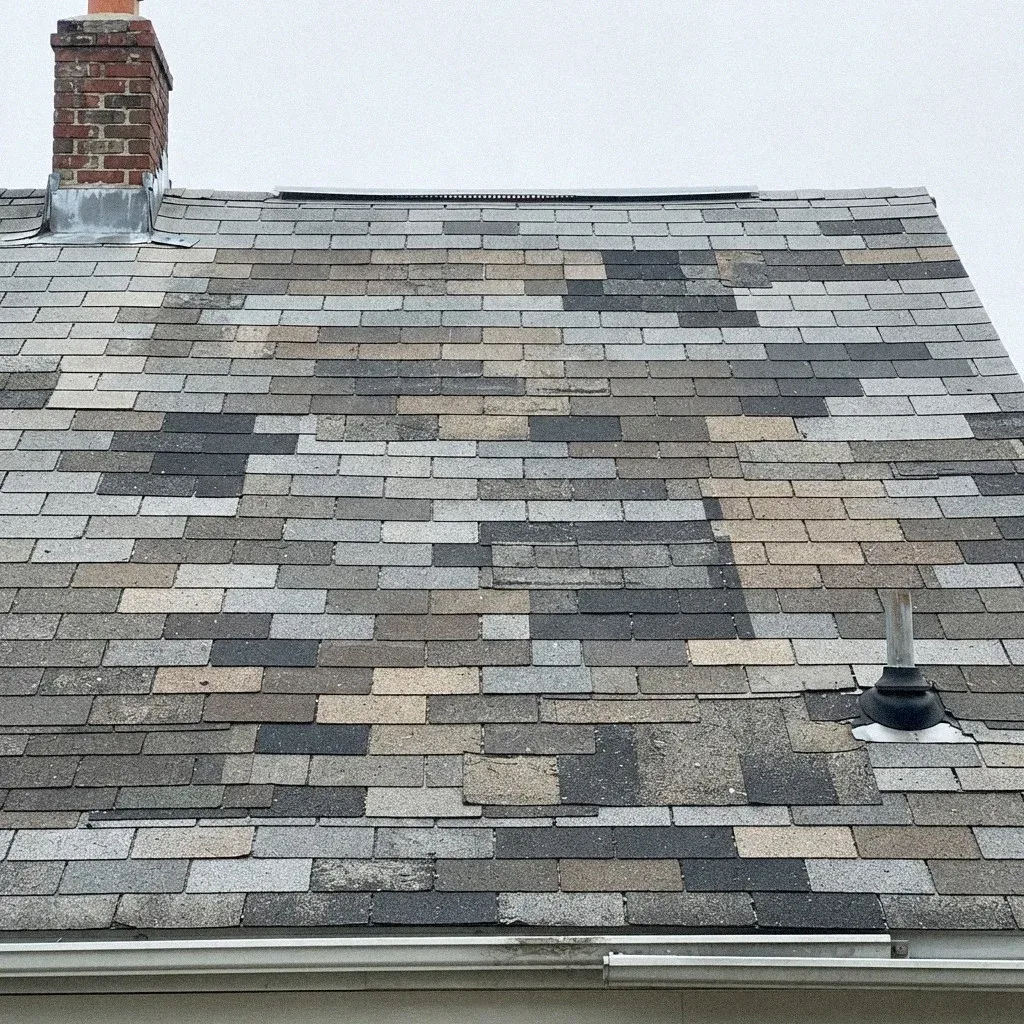
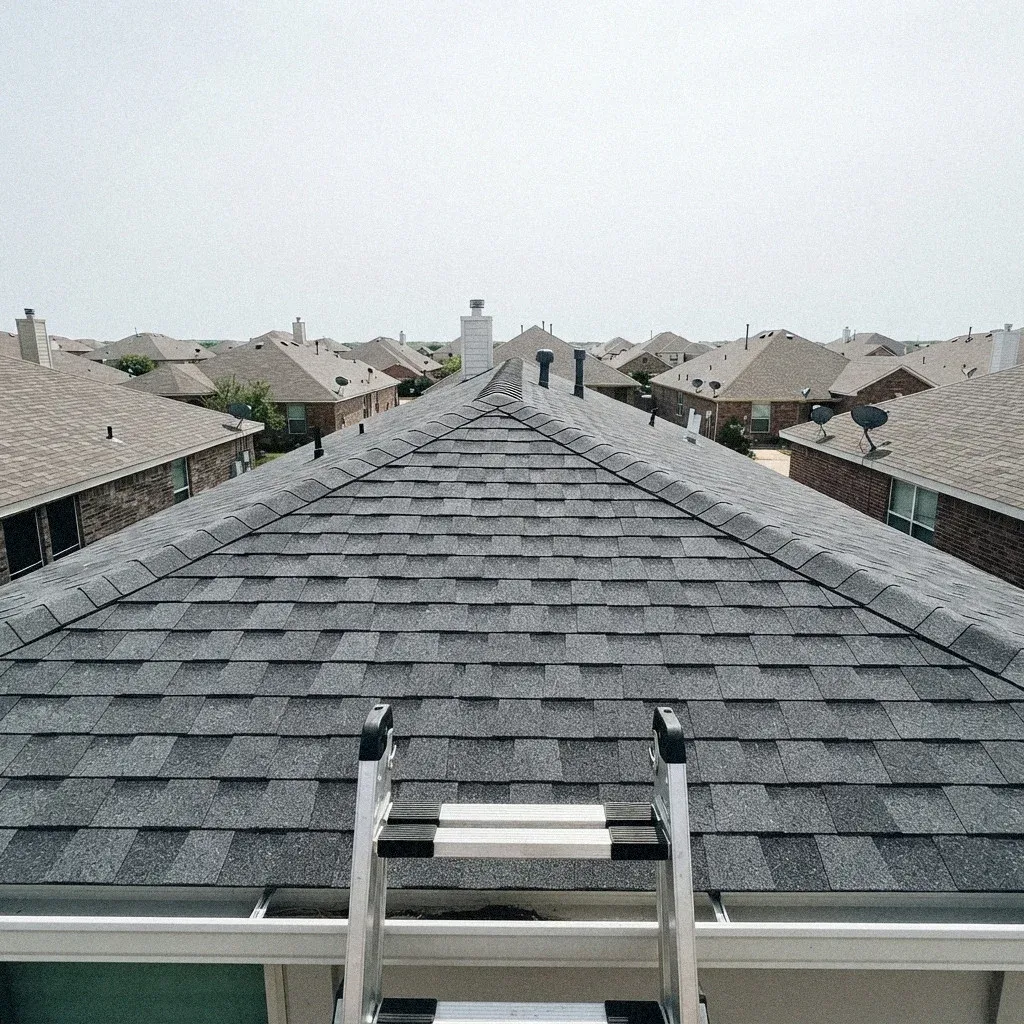
The practical takeaway for a Jacksonville homeowner is simple: treat the dry months as the planning target, not a guarantee, and start the permit and scheduling conversation well before that window opens. A roof finished ahead of hurricane season gives a home in Ortega, Riverside, or anywhere else in Duval County one less thing to worry about once the wet months return.
Dealing with this in your home?
Jacksonville roofs wear out street by street, not city-wide. Riverside and Avondale still carry crawl-space homes from the 1920s, where old decking meets modern afternoon thunderstorms. Cross the St. Johns River into Arlington and it's mostly slab homes with 1950s-60s roof lines needing different attention. San Marco's stucco bungalows near San Marco Square age differently again.