Jacksonville's rain doesn't ease in. June through September brings afternoon thunderstorms that build fast off the St. Johns River and drop heavy totals in short bursts, and a roof either handles that pattern or it starts leaking somewhere. The stretch before that pattern sets in, roughly spring, is the window for a homeowner in Mandarin, Arlington, or the Westside to walk the roof and fix what's found, not during the first storm of June.
Start With Gutter Clearing
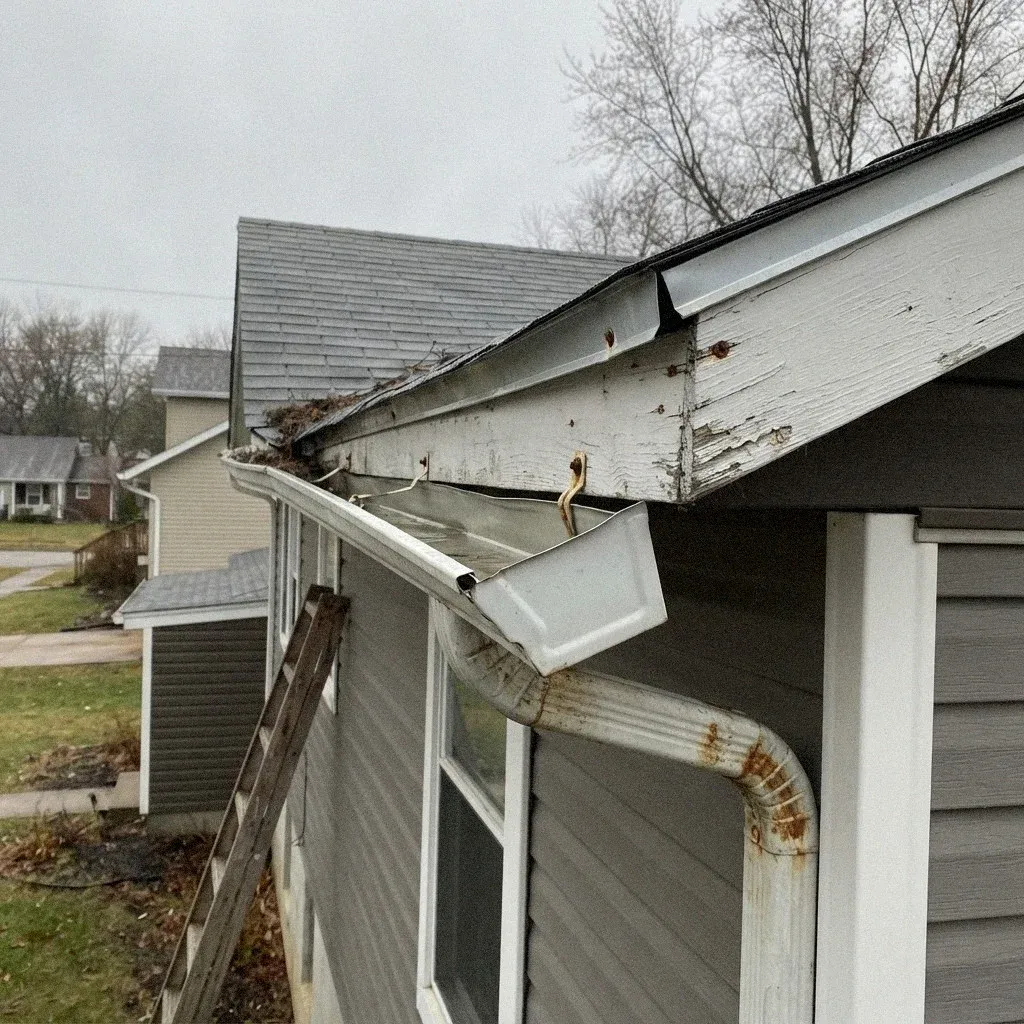
Start at the roofline edge, not the yard. Gutters on a Riverside or Springfield home fill with oak leaves and roof grit between spring storms, and once a section sits packed, water backs under the drip edge instead of clearing it. Scoop debris out by hand, then run a hose through each downspout to confirm it discharges freely, well before the first sustained June rain settles over the St. Johns River.
Check Downspout Flow Next
Once the gutters themselves are clear, send water through each downspout and watch where it lands. It should reach the splash block and move away from the house, not pool at the base or dribble out partway down the run. A clog at the elbow or a crushed section near grade is easy to miss from a ladder but shows up immediately once water is actually moving through the pipe.
Clear Out Roof Valleys
Valleys hold more debris than a flat roof section because two slopes are funneling runoff into one narrow path, and Jacksonville's tree canopy means that path fills with leaves, pine needles, and grit between hard rains. Left alone, that buildup dams water behind it during a heavy downpour and pushes it sideways under the shingle edge instead of down toward the gutter, which is how a valley starts a leak long before anyone notices from inside the house.
Walk Every Roof Plane
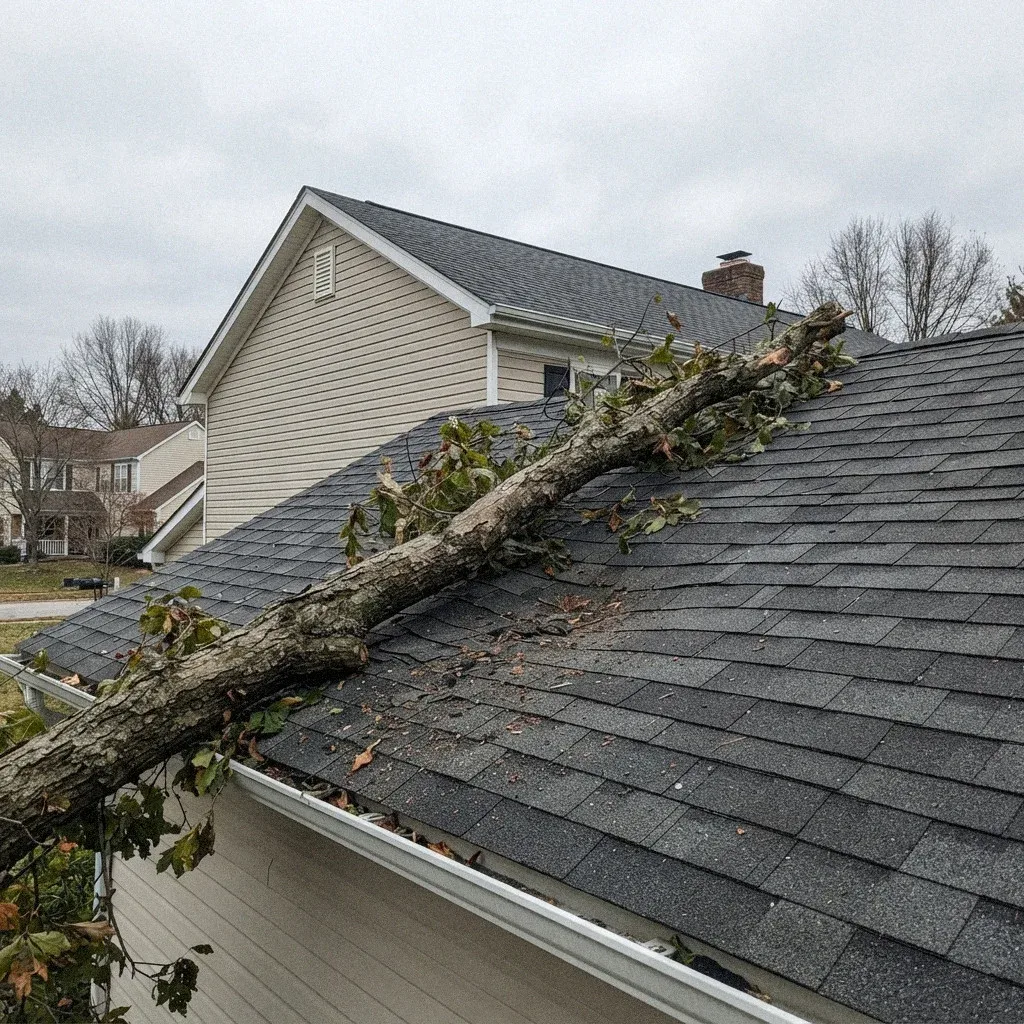
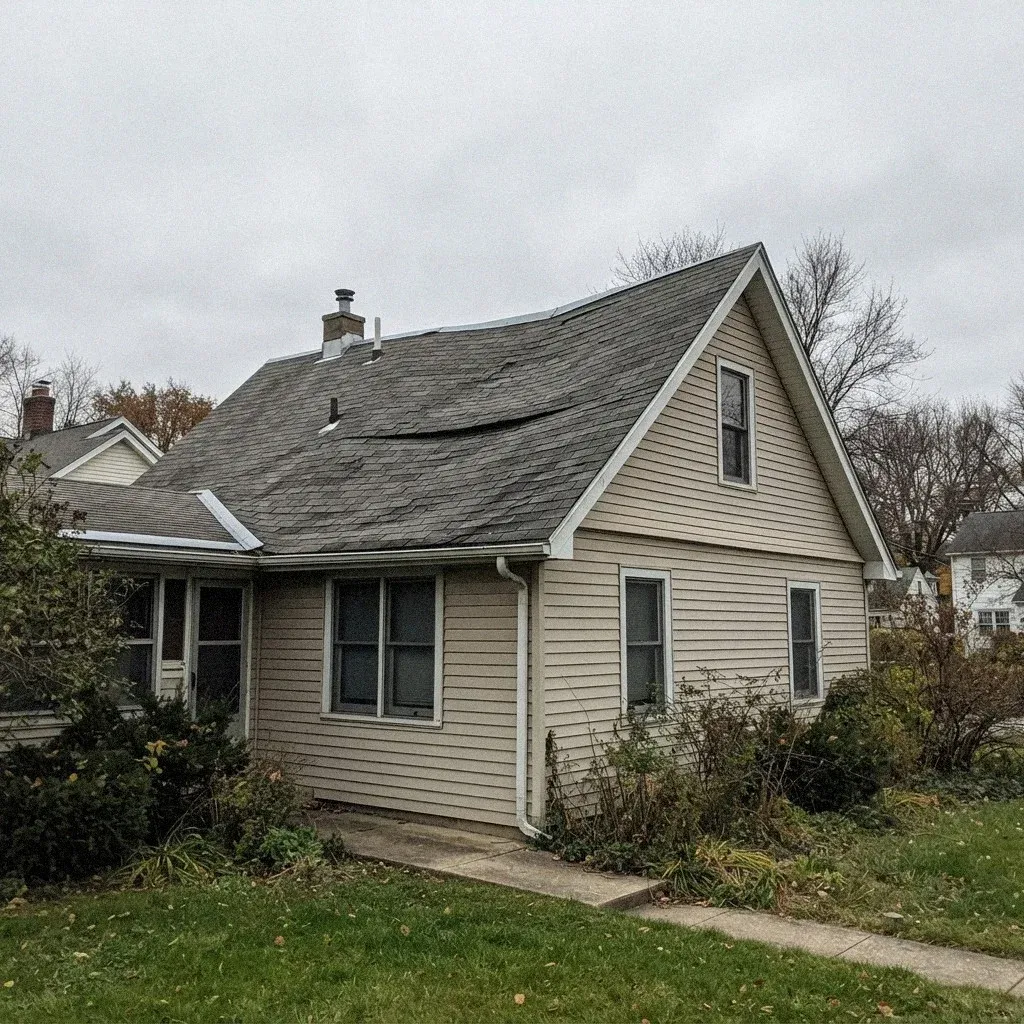
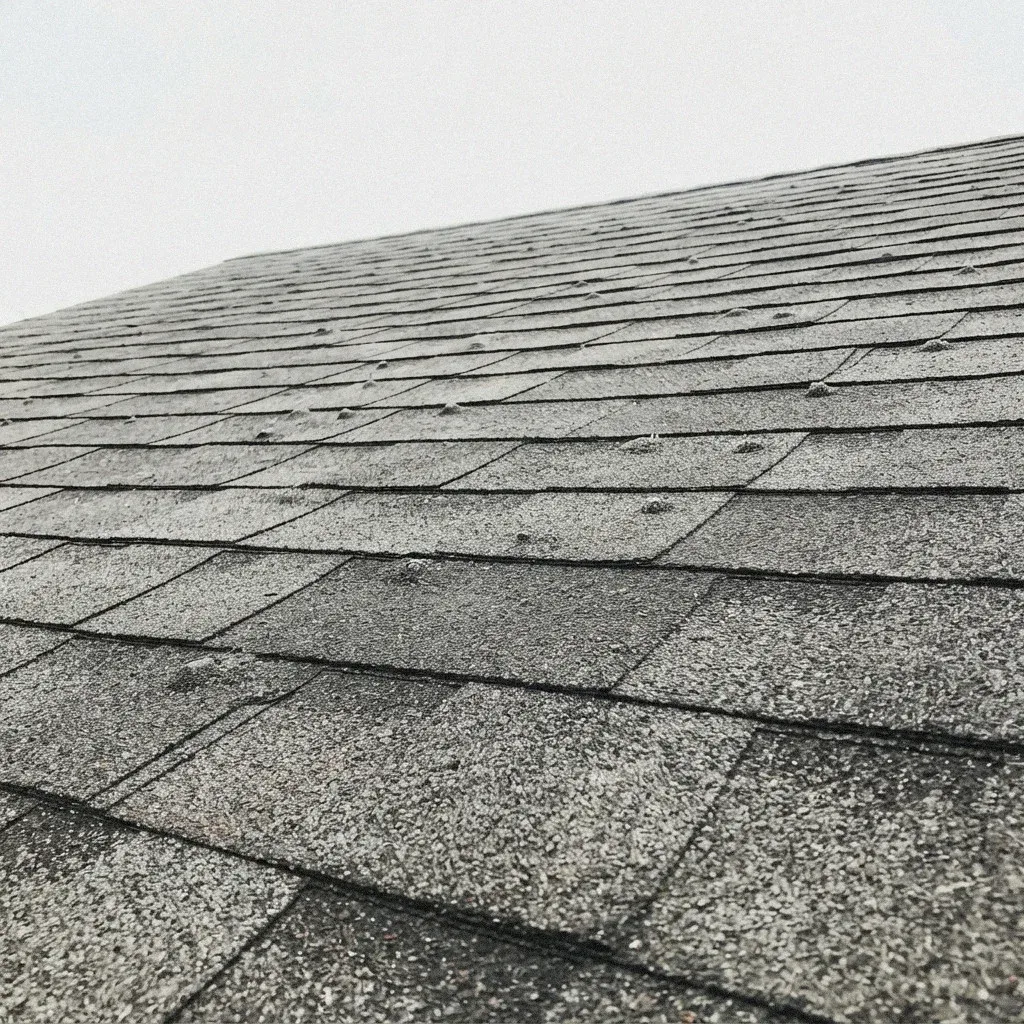
A roof plane walkaround means covering every slope of the house, including the side facing the backyard or a neighbor's fence line in places like Springfield or Murray Hill, not only the front elevation seen from the driveway. Look for shingles that have curled or lifted at the edge, granule loss that leaves a bald patch, and any spot where the surface looks darker or soft, since Jacksonville's humidity and UV exposure both accelerate wear on aging shingle.
Inspect Flashing And Pipe Boots
Chimneys, skylights, and any wall a roof plane meets need their metal edges checked next. Look for a strip that has curled up, a seam where rust has started, or a gap wide enough to slide a fingernail under. These joints rarely fail all at once; they loosen a little each season until a hard Jacksonville downpour finds the opening and sends water along the rafter instead of off the roof.
Do A Sealant Check
Every pipe boot, vent stack, and satellite mount bracket has a bead of sealant holding water out, and Florida sun breaks that bead down faster than most homeowners expect. Press on each one; sealant that has gone stiff or crumbly won't flex with the next thunderstorm and needs redoing before rainy season, not after a ceiling stain shows up in a Murray Hill or Arlington living room.
Look Inside At The Attic
Skip the ladder for this part. Stand back near the driveway or the street and scan each roof plane for anything uneven: a shingle tab lifted at the corner, a dark streak running down from a valley, or a sag near a dormer that wasn't there last year. A pair of binoculars works fine. Whatever looks wrong from the ground is worth a closer look before the season's rain arrives in force.
Confirm Grade Drainage Nearby
Grade drainage works alongside the roof rather than separately from it, since both systems exist to move water off the property. Walk the slab-on-grade perimeter after the gutters are clear and watch where each downspout actually discharges. Jacksonville's flat lots and high water table mean water that doesn't drain away sits close to the foundation, and a downspout aimed at the house instead of away from it turns a working roof into a slower, ground-level problem.
Write A Short Punch List
Once the walkaround is done, group the findings by urgency instead of writing them down in the order they turned up. Anything actively letting water through goes first. Worn sealant and loose flashing go second, since they're headed that direction. Debris and drainage issues go last, since those are upkeep rather than damage. That grouping is what turns a list of notes into a punch list worth calling in.
Choose A Scheduling Window
Spring is the window to get anything on that list addressed, since booking ahead of the season means the work gets done on a dry roof instead of squeezed between afternoon storms. Once Jacksonville moves into its heavy June-through-September stretch, availability across the area tightens and dry days to complete repair work get harder to find. A punch list handled in March or April has a much better shot at finishing clean than one started in July.
Know When To Call Someone
Gutters, downspouts, and splash blocks are reasonable homeowner territory for anyone steady on a ladder. Anything that requires standing on the roof surface, working near a steep pitch, or diagnosing a flashing or attic issue that's already showing water staining is a different matter. That's where it makes sense to bring in the licensed pros we connect you with, who can walk the same roof plane and confirm what the ground-level check couldn't settle on its own.
Dealing with this in your home?
Jacksonville roofs wear out street by street, not city-wide. Riverside and Avondale still carry crawl-space homes from the 1920s, where old decking meets modern afternoon thunderstorms. Cross the St. Johns River into Arlington and it's mostly slab homes with 1950s-60s roof lines needing different attention. San Marco's stucco bungalows near San Marco Square age differently again.