Condos & HOAs
Condo & HOA Roofs
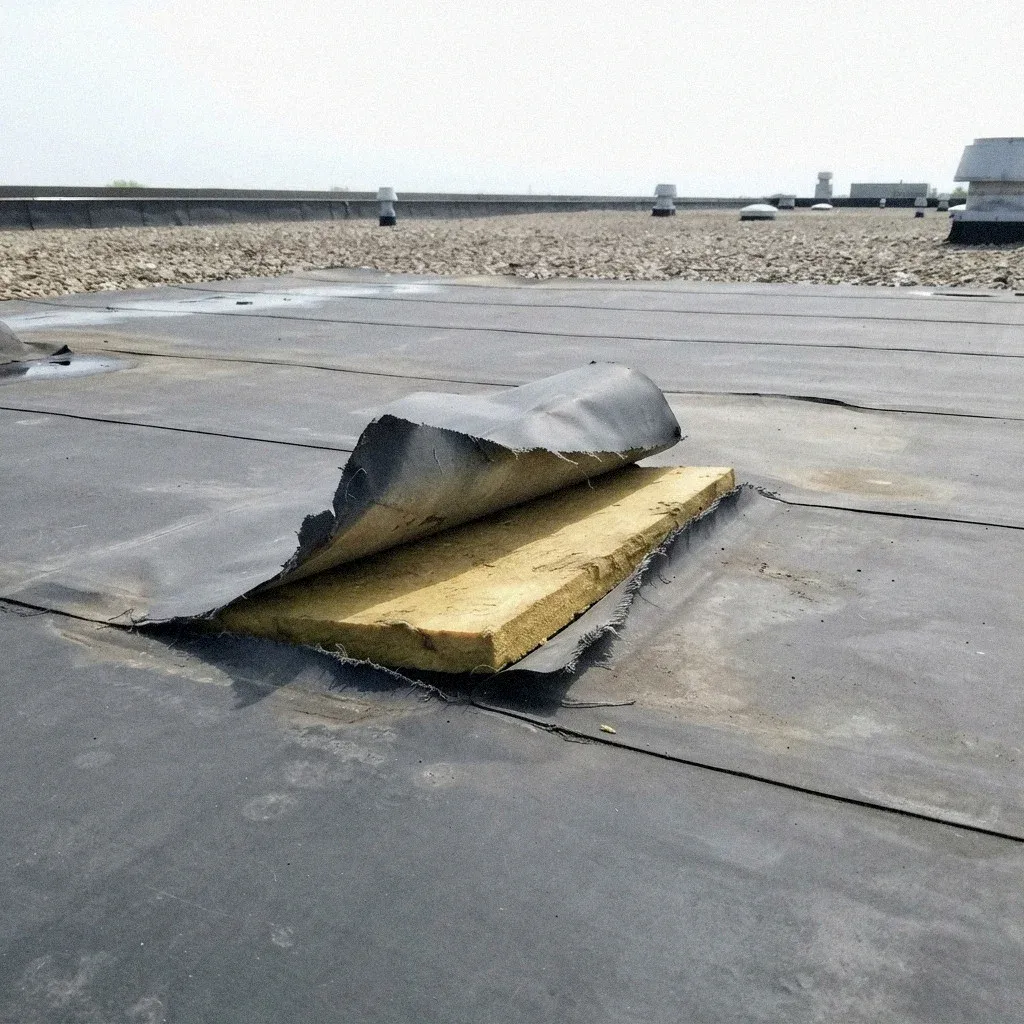
Roof repair planned around patients, air intakes, and equipment that has to keep running.
Medical and dental roof work in Jacksonville needs infection-control coordination, low-odor or cold-applied materials to stop fumes reaching patient rooms through rooftop intakes, and scheduling that works around imaging suites and appointment hours.
A medical or dental office in Jacksonville runs on booked exam slots, not walk-in flexibility. Patients arrive on a schedule, imaging equipment stays warmed up, and a procedure room that goes dark for a day creates a backlog that takes weeks to absorb. Roof work on a clinic near Baymeadows or Southside has to fit inside that rhythm instead of dictating it. The building keeps functioning through the repair, which changes what a contractor can plan for and when.
Facilities coordination starts before anyone reaches the roof deck. Most practices in Jacksonville follow infection-control protocols covering dust containment, sealed access points, and which doors stay closed during work. A temporary barrier at the roof hatch or stairwell entry keeps debris out of hallways leading to exam rooms. None of that gets improvised on site — it gets confirmed with the practice manager first, along with which hours the building can tolerate any disruption at all.
Continuous occupancy shapes every decision after that. A house reroof in Avondale can sit half-finished overnight without anyone noticing. A dental office or clinic in Jacksonville cannot close its doors and reopen once the material shows up, because patients are already on the calendar and imaging suites don't get idle days. The roof work has to move around the building's operating hours, not the other way around, and that changes the pace of the whole job.
Rooftop air intakes are what separate a clinic roof from an ordinary storefront reroof in Jacksonville. Adhesives, primers, and hot-applied materials release fumes, and if an intake sits close to the work area, that odor moves straight into the ventilation system and through exam rooms and hallways below. On a retail roof that's a nuisance. On a medical building it can interrupt care and trigger complaints from patients who are already anxious about being there.
That risk is why low-odor and cold-applied systems come up early when bidding a Jacksonville medical building, not after material is already staged on the roof. Choosing a system that skips the strong-smelling adhesives in the first place avoids the odor migration problem entirely, rather than trying to manage it after intakes are already pulling fumes inside. For a practice near St. Johns Town Center or along Baymeadows Road, that choice gets made at the estimate stage, not mid-job.
| Area | Risk | How It's Handled |
|---|---|---|
| Patient exam rooms | Low-odor materials, daytime coordination | Adhesive fumes travel through intakes fast |
| Imaging suite below roof | Vibration-limited scheduling, no jarring impacts | Scans sensitive to sustained vibration transmission |
| Rooftop air intakes | Cold-applied or low-odor system | Odor migration reaches exam rooms fast |
| Roof-mounted equipment | Facilities coordination, phased sequencing | Condensers and medical gas venting stay live |
| Hot work near vents | Hot work permit, temporary barrier | Fire watch required in occupied clinic |
| Dental procedure rooms | Off-hours access, sealed rooftop penetrations | Dust intrusion risks sterile instrument trays |
| Waiting room under work area | Reroute patient foot traffic, seal vents | Debris and noise unsettle waiting patients |
| Rooftop unit serving exam wing | Facilities confirms which unit can pause | Staged work keeps unit from going cold |
Vibration transmission is a constraint a standard commercial roof job doesn't have to think about. Tear-off, fastening, and moving equipment across the deck send vibration through the structure below, and in a medical building that vibration can reach an imaging suite or a room where a patient is mid-procedure. A dental office relies on a steady hand at the chair. An MRI or ultrasound room relies on stillness. Roof work overhead has to account for both.
Scheduling around noise-sensitive areas usually means splitting the job into shorter windows instead of one continuous push. A clinic near Deerwood or along Southside Boulevard often runs exam blocks in the morning and procedures in the afternoon, so the loudest phase of the work gets scheduled around whichever rooms are in use at that hour. That means more coordination up front, but it keeps the noisiest work away from the moments patients need quiet the most.
None of this gets sorted out once a crew is already on the roof. The floor plan, where an operating room or imaging suite sits directly underneath, and the hours patients are actually in the building all get worked out with facilities beforehand. A practice in Jacksonville that skips this step ends up with a canceled procedure or a rescheduled patient block, and that costs the building more than the roof work itself.
Roof-mounted equipment on a medical building is rarely something facilities can shut off for the day. HVAC units serving imaging suites, dedicated exhaust for procedure rooms, and backup systems tied to refrigerated storage often have to keep running while work happens around them. A unit that goes down unexpectedly during a reroof near San Marco or Riverside doesn't just cost comfort — it can shut down the equipment or storage that depends on it.
A facilities manager overseeing this kind of job near Baymeadows or the St. Johns Town Center corridor needs a written answer on which units stay running through the work and which can tolerate a short interruption. That gets settled before the crew shows up, not discussed on the fly once a unit is already disconnected. Roof-mounted equipment gets protected or temporarily rerouted around, never treated as an obstacle to work past.
Hot work permits carry more weight on a medical building than on a typical Jacksonville commercial roof. Torch-applied material or an open flame near patient rooms and oxygen lines raises the stakes on fire watch and smoke detection well past what a standard retail job requires. A practice near Downtown Jacksonville or Southbank can't afford a false alarm that clears a building full of patients mid-appointment.
Cold-applied and low-odor systems remove that pressure outright, since no open flame means no permit, no fire watch, and no smoke alarm risk near a full waiting room. For a clinic weighing system options, that's often the deciding factor before the hurricane season crunch adds urgency to the schedule. Avoiding hot work altogether is one less thing a facilities manager has to track while patients are still moving through the building.
Afternoon thunderstorms and hurricane season are still the underlying reason most of this roof work gets scheduled at all in Jacksonville. A medical office near Mandarin or Arlington faces the same wind and rain as any other commercial building along the St. Johns River, but a leak that reaches a procedure room or equipment closet carries higher stakes than one over an empty storeroom. Getting ahead of storm season matters more here than it does for most tenants.
Odor control matters just as much as the repair itself. Rooftop air intakes on buildings near Baymeadows or Southside can pull adhesive fumes straight into exam rooms and waiting areas if the wrong system gets used, turning a routine repair into a building-wide complaint. Planning around that before work starts, rather than reacting to it once the smell reaches patients, is what keeps a Jacksonville clinic open and functioning through the whole job.
A dental practice near San Marco or a clinic off Baymeadows can't send patients home while a roof gets repaired. Jacksonville's afternoon thunderstorms don't wait for a slow week either, so scheduling has to fit around a full appointment book, not an empty building. That's the difference between this work and a vacant office reroof.
Afternoon thunderstorms find small gaps at flashing and seams, and water travels sideways under shingles before it ever reaches the ceiling below. By the time a homeowner spots discoloration, the leak has usually been active for weeks. Regular attic checks catch what a glance at the roofline from the yard cannot.Neptune Beach, Ponte Vedra Beach and Nocatee. Permits exist for a reason beyond paperwork. A reroof done to current Florida Building Code standards is inspected before it's covered up, which is the only real check that the work underneath the shingles was done right and not just made to look finished.
Roof age on paper rarely matches roof age in practice. Sun exposure, attic ventilation, and how past repairs were done all shift the timeline. A ten-year-old roof can be failing while a twenty-year-old one still holds. Judging by the number alone misses what actually decides whether it lasts through another season.Every estimate near San Marco or out toward Mandarin reflects what's actually on the roof, not a flat citywide number. Steep pitches, layered shingles, or decking softened by years of afternoon thunderstorms all change the math once a licensed pro is up there measuring instead of guessing from the driveway. pricing guide, and the commercial overview covers how a scheduled program works.
Condo & HOA Roofs
Commercial Roofing
Industrial Roofing
It can if the crew doesn't plan for it. Adhesive fumes travel through rooftop air intakes fast, so the licensed pros we connect you with map intake locations against the work zone first and choose low-odor or cold-applied materials when a patient room sits close to the roof deck.
Often, yes. Facilities coordination happens before the crew arrives, not after. Noisy or vibration-heavy phases get scheduled around booked appointments and imaging suite hours, while quieter prep work can move forward while the office in Jacksonville keeps seeing patients.
Infection control gets worked into the plan before anyone climbs a ladder. That means checking dust and debris paths against intake locations, setting up temporary barriers, and confirming with facilities staff which entrances and hallways stay clear during the job.
Rooftop condensers, exhaust fans, and medical gas venting on a Jacksonville clinic roof usually can't be shut off without stopping care inside. The work plan builds temporary barriers around that equipment instead, so it keeps running while repairs happen nearby.
Tell the licensed pros we connect you with your office's occupied hours, imaging equipment location, and rooftop layout before work is scheduled.
Call (904) 675-6349