A curling shingle in Jacksonville is not one problem wearing different faces. Cupping, clawing, and edge lift each point somewhere else underneath. A homeowner off Beach Boulevard checking a roof after a long humid summer needs to know which shape they are looking at before they call anyone, because the shape itself is the clue, not just a sign that something is wrong.
Cupping Is Not Clawing
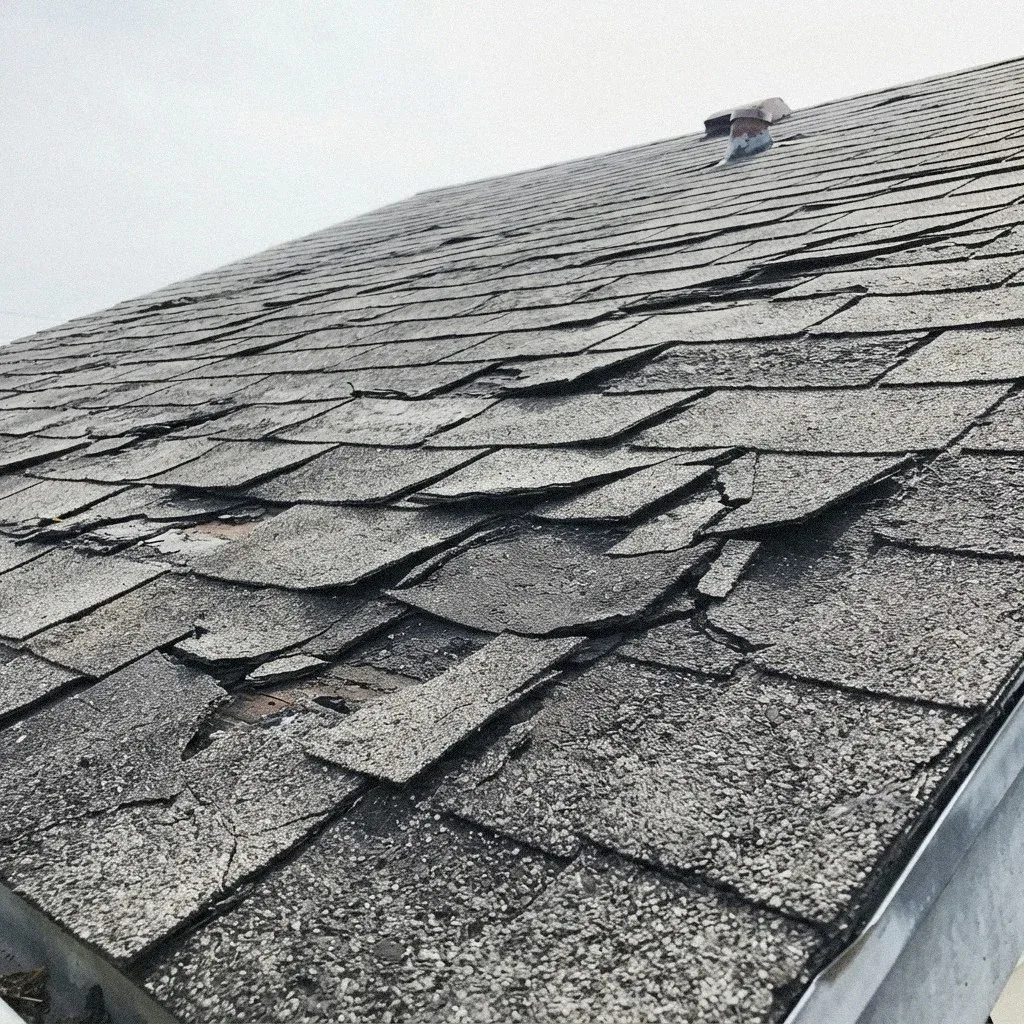
Cupping is the outer edges of a shingle turning up while the center stays put, giving a shallow dish shape you can spot from the driveway. Clawing looks rougher, with the shingle surface twisting and the edges curling in different directions at once, almost like a claw closing. Both catch afternoon sun differently, which is often the first thing a Mandarin or Arlington homeowner notices before climbing up for a closer look.
What Cupping Points To
Cupping tends to start from underneath rather than from weather beating down on top. Heat collecting in an attic, especially through a long Jacksonville summer, pushes upward into the shingle mat, and if that heat carries humidity with it, the asphalt softens unevenly and the edges lift. A home near Julington Creek with a tight, poorly vented attic can show this pattern years before a well-ventilated house nearby does.
Clawing And Mat Fatigue
Clawing shows up later in a shingle's life, after the mat has absorbed a long run of thermal cycling. A roof over Springfield or Murray Hill bakes under direct sun through a summer afternoon, then cools fast once a thunderstorm rolls through, and that daily swing stresses the asphalt each time. Eventually the mat loses flexibility, turns brittle, and starts twisting instead of lying flat, which is a sign of age more than a single bad season.
Edge Lift Stays Local
Edge lift is a tighter pattern than cupping, limited to the perimeter of individual shingles rather than the whole surface. Most often the sealant strip along that edge either failed to set properly during installation or broke its bond after repeated flexing. On a home near San Marco or Ortega, edge lift often traces back to one row or one slope rather than the entire roof, which narrows down where the actual problem sits.
Field Lift Means Something Else
Field lift happens out in the open middle of a slope, away from any seam or sealant strip. Because sealant isn't the culprit here, this pattern usually points toward the shingle itself losing its original shape from age, uneven decking underneath, or nails that missed their mark during installation. A Westside or Northside roof with lift scattered mid-slope is worth a closer look at the deck, not just the shingles sitting on it.
How A Layover Changes Things
A layover roof, where a new course of shingles goes down over an existing layer instead of a full tear-off, traps more heat against the lower mat than a single-layer roof does. That extra insulation works against the shingle in a Jacksonville summer, holding attic heat closer to the underside for longer stretches. Homes in older sections of Avondale or Springfield that went with a layover years back sometimes cup sooner than a comparable single-layer roof nearby.
Curl Before Its Time
When curl shows up on a roof that's still supposed to have plenty of life left, it usually traces to a cause that isn't just time passing. A blocked attic vent, humidity trapped under the deck, or a batch of shingles that had a manufacturing flaw can all push curl forward on the calendar. A homeowner in Baymeadows or Deerwood noticing curl on a roof installed only a handful of years back should treat that as worth investigating rather than shrugging off.
Architectural Versus Three-Tab
A three-tab shingle is thinner and reacts faster to heat pushing up from the attic, so it tends to cup sooner than a heavier architectural shingle would on the same roof. The laminated, multi-layer build of an architectural shingle gives it more stiffness to resist that upward pull for a while longer. On older streets in Riverside or St. Nicholas where three-tab roofs are still common, that thinner mat is often the reason curl shows up earlier than on a newer architectural reroof nearby.
Shade And Standing Moisture
Heavy tree cover near a property, like the oak canopy around Boone Park or a shaded lot in Ortega Forest, keeps a roof damp longer after a Jacksonville afternoon thunderstorm passes through. That lingering moisture softens the shingle surface and gives algae or organic buildup a place to hold water against the mat. Over time, that constant dampness accelerates the same softening that drives cupping, even on a roof that otherwise gets decent airflow.
When Curl Is Just One Spot
Curl that stays limited to a single slope, or gathers right around a valley or chimney flashing, is often tied to a localized moisture source rather than a roof-wide problem. A home near Fishweir Creek or along Hogans Creek with damp ground nearby might be dealing with a flashing gap or a valley that collects more runoff than the rest of the roof handles. Checking that one spot closely usually turns up an answer faster than assuming the whole roof shares the same cause.
Matching Shape To Cause
None of this replaces standing on a ladder or getting eyes above the fascia. A cupped ridge near San Marco, a clawed seam by a chimney in Ortega, and a soft edge over a garage in Arlington can each trace back to a different cause, even though they might look almost the same from a driveway on a Sunday afternoon.
Dealing with this in your home?
Jacksonville roofs wear out street by street, not city-wide. Riverside and Avondale still carry crawl-space homes from the 1920s, where old decking meets modern afternoon thunderstorms. Cross the St. Johns River into Arlington and it's mostly slab homes with 1950s-60s roof lines needing different attention. San Marco's stucco bungalows near San Marco Square age differently again.