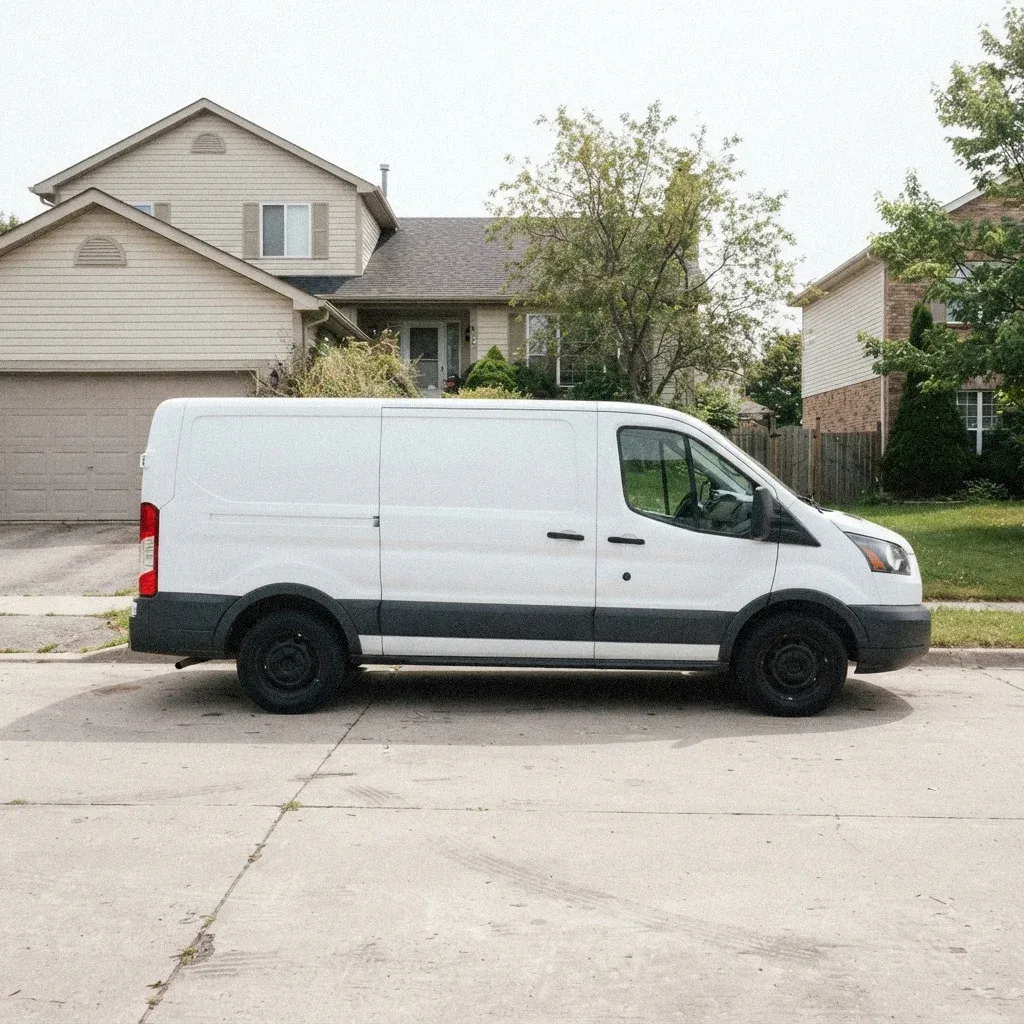
After wind or hail moves through a Jacksonville neighborhood, it is common for vehicles nobody recognizes to start working the street, knocking door to door and offering a free look at the roof. Some of these visitors are legitimate local pros picking up storm work. Others follow storms from one region to the next and are gone before any promised work holds up. The knock itself is not the warning sign. What happens after it is.
The Contingency Agreement Catch
A free inspection offer sounds harmless, and often it is just a sales opener. The trouble starts when the person on the porch pairs it with a clipboard and asks for a signature before they have even climbed a ladder. That signature is frequently a contingency agreement, which locks in the company to do the work if an insurance claim gets approved. Read it before signing anything, even if it is described as just paperwork to get started.
What Assignment of Benefits Means
An assignment of benefits form hands over your right to deal with the insurer to whoever is standing on your porch. Once signed, that company can bill for repairs, argue the scope, and collect payment in your name, and you may lose the ability to steer the claim or choose who touches your roof afterward. Read anything placed in front of you before a name goes on it, and ask what exactly you are signing away.
The Deductible Waiver Trap
Another line worth reading twice is any mention of covering or waiving your deductible. A deductible waiver offer usually means the contractor plans to inflate the invoice to absorb that cost, which can look like insurance fraud depending on how it is structured. A straightforward roofing company prices the job and lets you pay your deductible as your policy requires. Anyone promising to make your deductible disappear is asking you to trust a number that does not add up.
Large Deposits, No Track Record
Some door-to-door offers ask for a large upfront deposit before any material shows up, sometimes half the job cost or more. A reasonable deposit covers ordering materials. A large one paid to someone with no track record in Jacksonville is money with no leverage behind it if the crew never returns. Ask what the deposit covers and what happens if the job does not start on schedule, and expect a specific answer, not a reassurance.
Out-of-Area and Unmarked
Check where the business is actually based before agreeing to anything. An out-of-area address on a card or contract, especially one in another state, is not automatically dishonest, but it does mean a warranty claim next year may have nowhere local to land. Pair that with an unmarked vehicle with no company name, license number, or local phone number, and there is very little to go on if a problem shows up after the crew has moved to the next town.
Recognizing the Pressure Close
Pressure is the tell that separates a busy contractor from a problem one. A pressure close pushes for a same-day signature, claims the offer expires at sundown, or insists the roof will fail before another company can even schedule a look. Jacksonville roofs rarely need a decision inside an hour. A company confident in its price and its work will let you compare it against another quote without the deadline.
Why a Written Scope Matters
A deductible waiver offer sounds like a discount but usually means the paperwork gets padded elsewhere to cover that gap, which can look like inflated material counts or invoice numbers that do not match what landed on your Jacksonville roof. Florida treats waiving a deductible as a red flag for a reason. If someone hands you a written scope, check that the numbers on it match what a second, separate estimate says.
References Nobody Can Confirm
References matter, but only if they can actually be checked. Unverifiable references, like a first name and no address, or a job supposedly done three counties away with no way to confirm it, are not references at all. A company that has worked in Riverside, Mandarin, or Arlington should be able to point to a real, checkable job, not a name with nothing attached to it.
Who Is Actually on the Roof
Some door-knocking operations sell the job themselves, then hand the actual work to subcontracted labor they barely know, with no direct accountability to the homeowner if something goes wrong. That is not automatically bad practice, but it becomes a problem when nobody on-site can answer basic questions about materials or timeline, because the person who signed the contract is not the person on the roof.
The Mechanic's Lien Risk
Unpaid subcontractors and suppliers can file a mechanic's lien risk against a Jacksonville property even after the homeowner has paid the general contractor in full, if that contractor never paid the people who did the work. Asking who is actually doing the labor, and whether they have been paid, protects against a lien showing up on the property months later over money that already changed hands.
Skipping the Permit Entirely
A company skipping the roofing permit through Jacksonville's Building Inspection Division is choosing permit avoidance, whether it announces that plainly or just never mentions the permit at all. Unpermitted roof work can complicate a future sale, an insurance claim, or a warranty dispute, because there is no inspection record showing the work was ever checked against the Florida Building Code. A permit number is a simple thing to ask for before work starts.
Dealing with this in your home?
Jacksonville roofs wear out street by street, not city-wide. Riverside and Avondale still carry crawl-space homes from the 1920s, where old decking meets modern afternoon thunderstorms. Cross the St. Johns River into Arlington and it's mostly slab homes with 1950s-60s roof lines needing different attention. San Marco's stucco bungalows near San Marco Square age differently again.