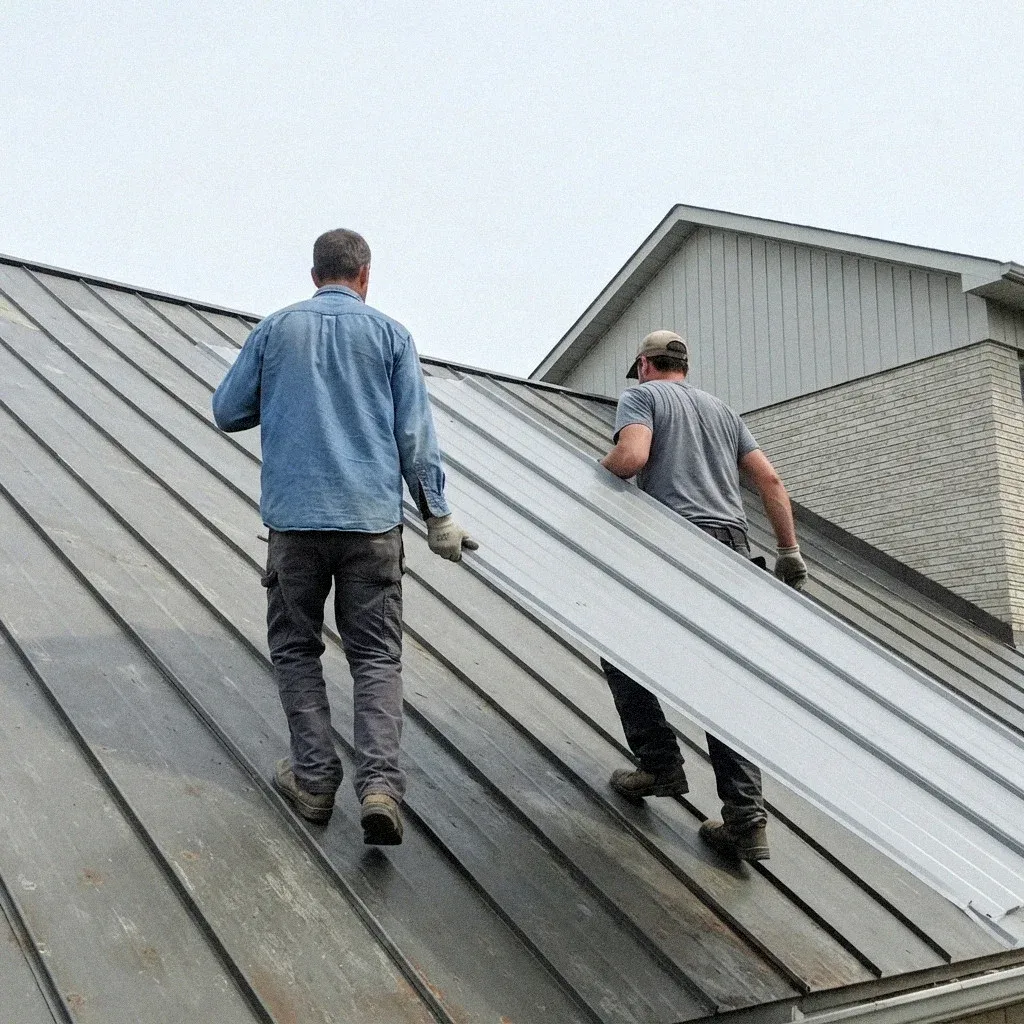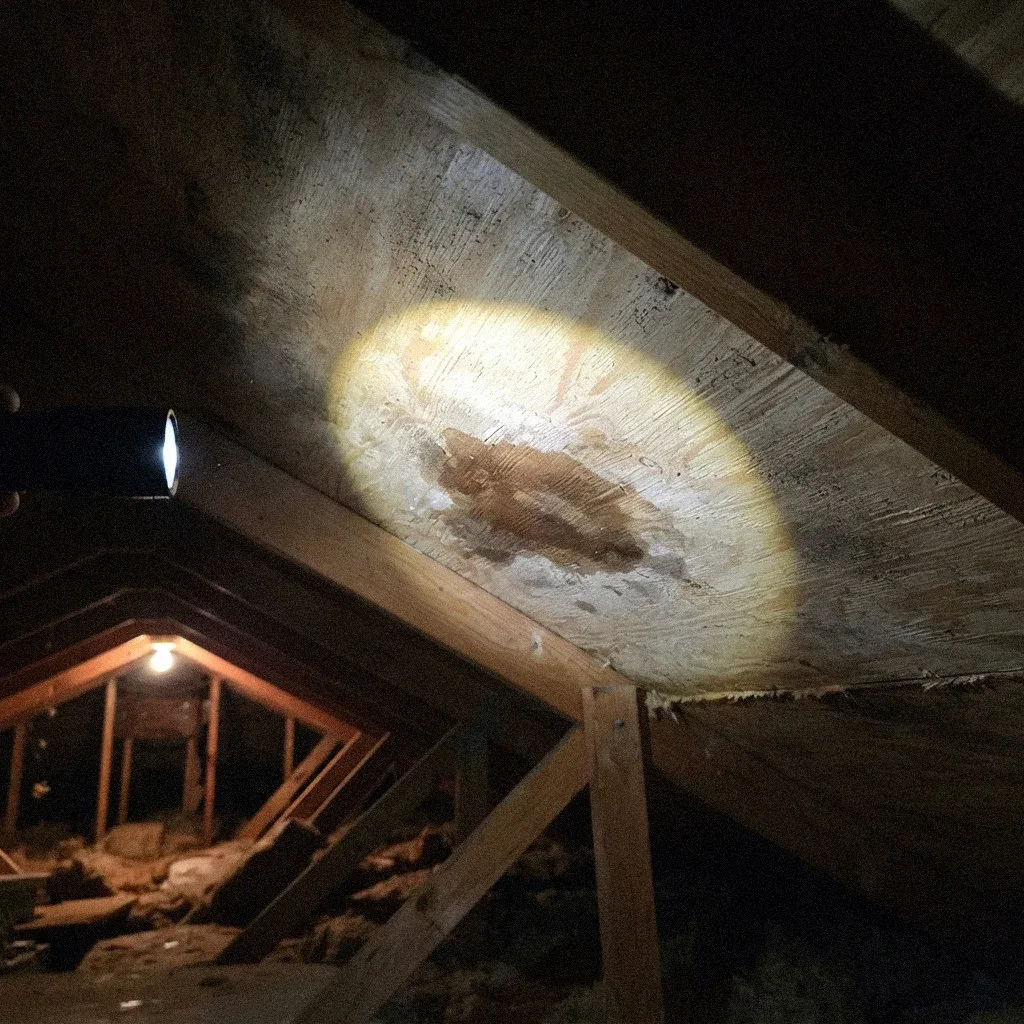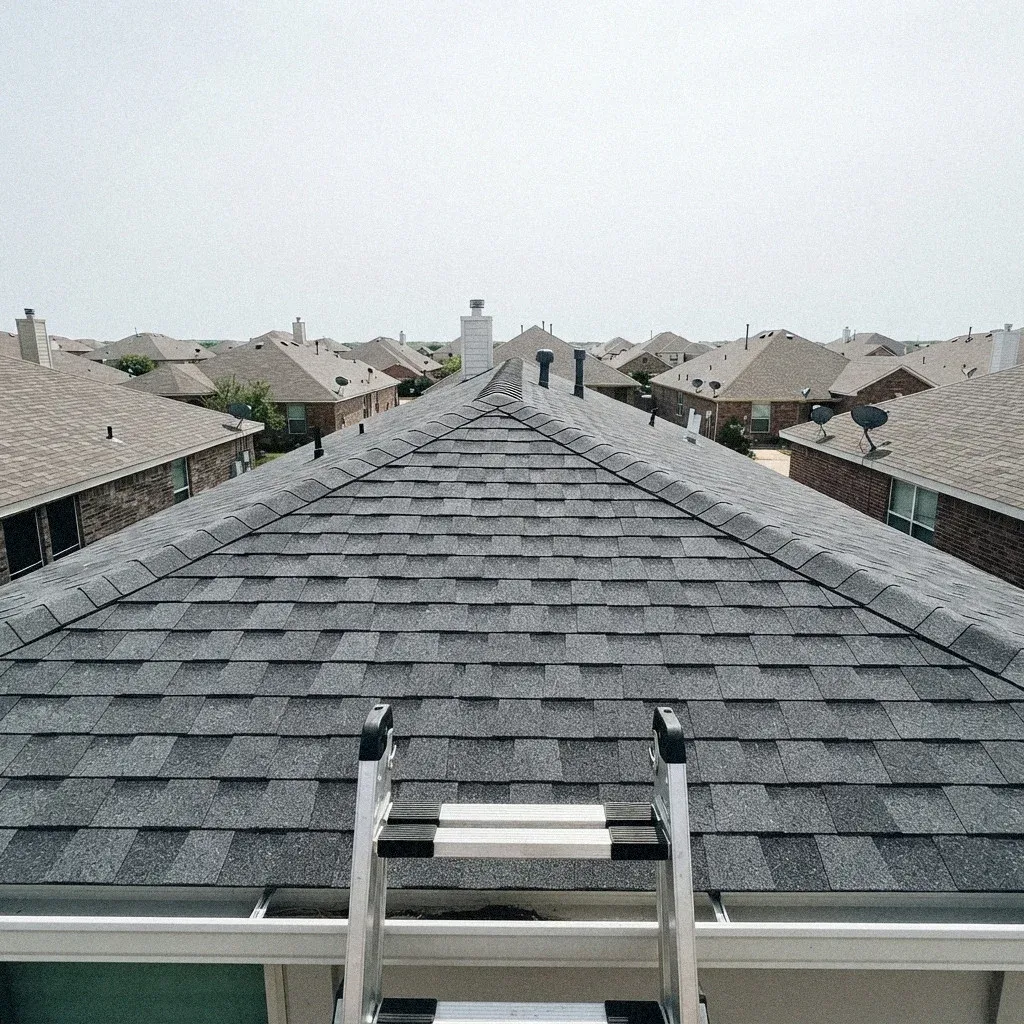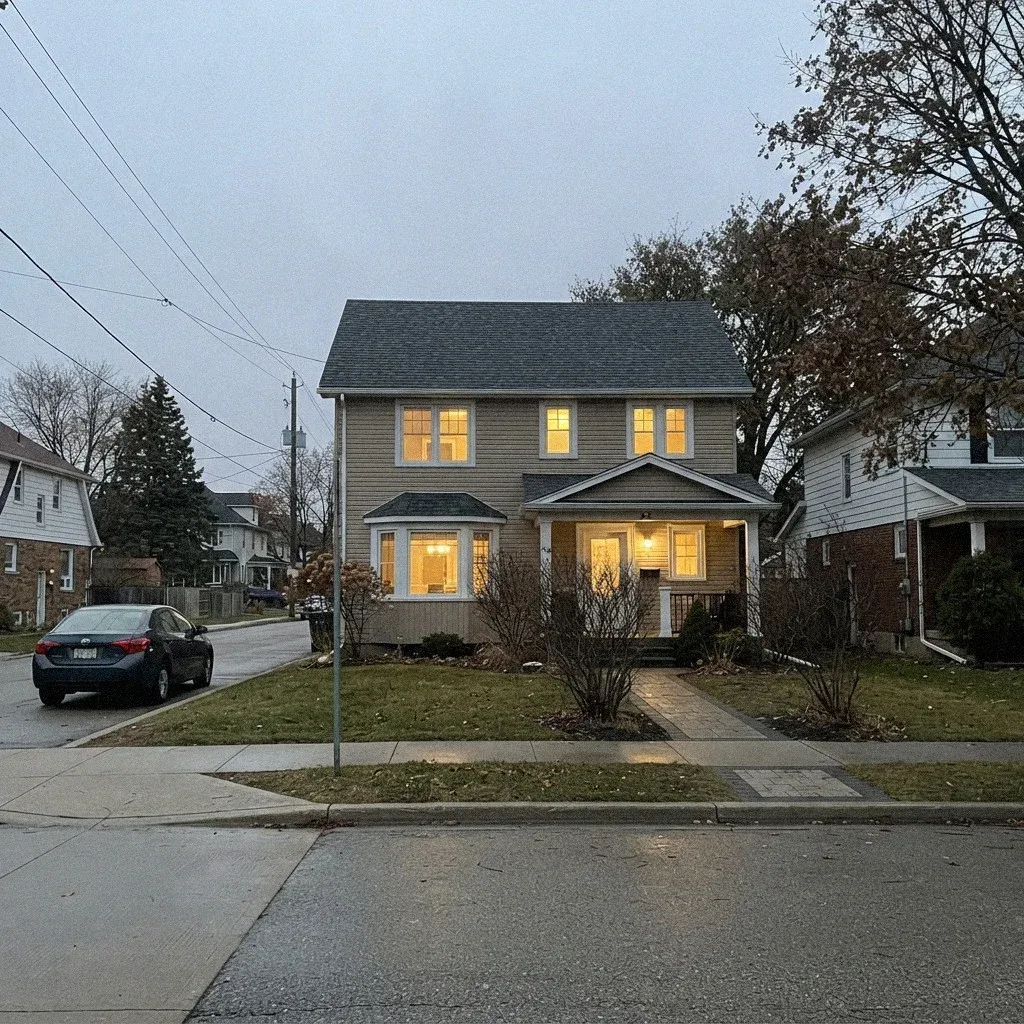
Jacksonville homeowners choose metal roofs for reasons that show up during hurricane season more than on a sunny day in San Marco. A metal roof sheds heavy afternoon thunderstorm rain fast, holds up under sustained wind better than many alternatives, and doesn't rely on granules or a mat that wears thin over the decades. That's the appeal in plain terms. What it asks of an owner in return is a different question, and one worth answering before the panels go up, not after.
What a Wind Uplift Rating Means
Wind uplift rating measures how hard a panel and its fastening can be pulled upward before failure, tested against a rated pressure rather than a single storm story. A Jacksonville reroof has to meet the wind design figures Duval County's building inspectors check at permit time, and the rating on paper only means anything if the clip, screw pattern, and substrate underneath were installed to match it. Ask any contractor for the tested assembly, not just the metal gauge.
Concealed Clip Versus Exposed Screw
A concealed-clip standing seam roof hides its fasteners under the raised seam, so wind has nothing to grab directly. An exposed-fastener panel puts screws through the face at set intervals, which is a faster, less costly build but leaves every one of those penetrations as a spot where wind and driven rain can work at a seal over time. Both hold up under Duval County's wind design when installed correctly, but they age differently, and that difference matters more here than in a calmer climate.
Gasketed Screws in Florida Sun
Every exposed-fastener panel depends on a gasketed screw, a rubber or neoprene washer sandwiched under the screw head to seal the hole it creates. Jacksonville's sun runs hard for most of the year, and that UV exposure hardens rubber gaskets faster than in a milder climate, making them brittle and less able to flex with the panel underneath. A homeowner in Arlington or on the Westside won't see this happening from below; it shows up years later as a slow leak at a fastener, not a sudden failure.
How Seams Handle Hurricane Wind
In a hurricane, the difference between a concealed-clip seam and exposed fasteners comes down to how each transfers load. A standing seam panel floats on its clips and lets the whole assembly move together, spreading wind stress across the roof. An exposed-fastener panel is rigid at every screw point, so repeated gusts work each fastener individually, and a single failed screw can start a run of loosening ones nearby. Neither system is immune to a bad install, but the seam type changes what a bad install looks like.
Thermal Movement Along the Panel
Metal panels expand and contract with Jacksonville's temperature swings, easily 40 degrees or more between a January morning and a July afternoon. Standing seam accounts for this by letting panels slide slightly under their clips as they grow and shrink. Exposed-fastener panels can't move that way because the screws pin them down, so the metal has to flex in place instead. Longer panels see more total thermal movement, which is part of why panel length gets chosen carefully on a Riverside or Ortega reroof.
Reading Oil Canning on a Roof
Panels lengthen and shorten as Jacksonville's afternoon sun gives way to evening cooling, and a concealed-clip standing seam is built to let that movement happen along the seam without stressing the fasteners. Exposed-fastener panels move too, but every screw hole is a fixed point, so the metal has fewer places to give. Oil canning shows up as a faint waviness on flatter panel faces under changing light. It rarely signals a defect, just how the sheet is reacting to heat.
What You Can Inspect From the Ground
From your yard in Springfield or Murray Hill, you can spot obvious trouble: a lifted panel edge after a storm, a streak of rust starting at a cut edge, or a loose ridge closure piece letting daylight show through. What you can't see from the ground is a failing gasket at an interior fastener, a clip that's begun to work loose, or hairline movement at a seam. Those need someone on the roof, which is one reason a post-storm inspection matters more than a glance from the driveway.
What the Kynar Finish Is Doing
Most metal roofing sold in Jacksonville carries a Kynar-based paint finish over the metal substrate, chosen because it resists fading and chalking under strong, steady sun better than ordinary paint. It's the finish, not the metal underneath, that determines how the roof looks after a decade of Florida summers. A homeowner comparing panels in Mandarin or Baymeadows should ask what finish is specified, since two roofs of the same metal can weather very differently depending on that coating.
Ridge Closures and Where Water Tests a Roof
Every metal roof has a ridge closure, the piece that seals the gap where panels meet at the peak, and it's one of the few spots designed to move air while still keeping wind-driven rain out. It's also one of the first places a heavy, sideways-blown thunderstorm will test. A ridge closure that's degraded or was fitted loosely at install is a common source of the slow ceiling stain a Northside or Eastside homeowner notices weeks after a storm, long after the rain itself is forgotten.
What Maintenance Looks Like Over Time
Over a couple of decades, metal roof maintenance in Jacksonville is mostly about checking fasteners, gaskets, and closures rather than replacing anything wholesale. That means periodic checks of exposed screws for backing out or gasket wear, clearing debris from valleys and around penetrations so water keeps moving off the roof, and looking at seams and ridge closures after major storms. It's less frequent work than an asphalt roof asks for, but it's not nothing, and skipping it is how small gasket failures turn into repair calls.
A Question Worth Asking Your Insurer
How a metal roof affects a homeowner's insurance premium varies by carrier and policy, and it's a question to bring directly to your own insurer rather than assume an answer to. Some insurers weigh wind rating and roof age differently than others when pricing a policy in Duval County. Rather than guessing based on what a neighbor in San Marco or Riverside was quoted, ask your insurer what documentation they want on file for your specific roof before you need it after a storm.
Dealing with this in your home?
Jacksonville roofs wear out street by street, not city-wide. Riverside and Avondale still carry crawl-space homes from the 1920s, where old decking meets modern afternoon thunderstorms. Cross the St. Johns River into Arlington and it's mostly slab homes with 1950s-60s roof lines needing different attention. San Marco's stucco bungalows near San Marco Square age differently again.