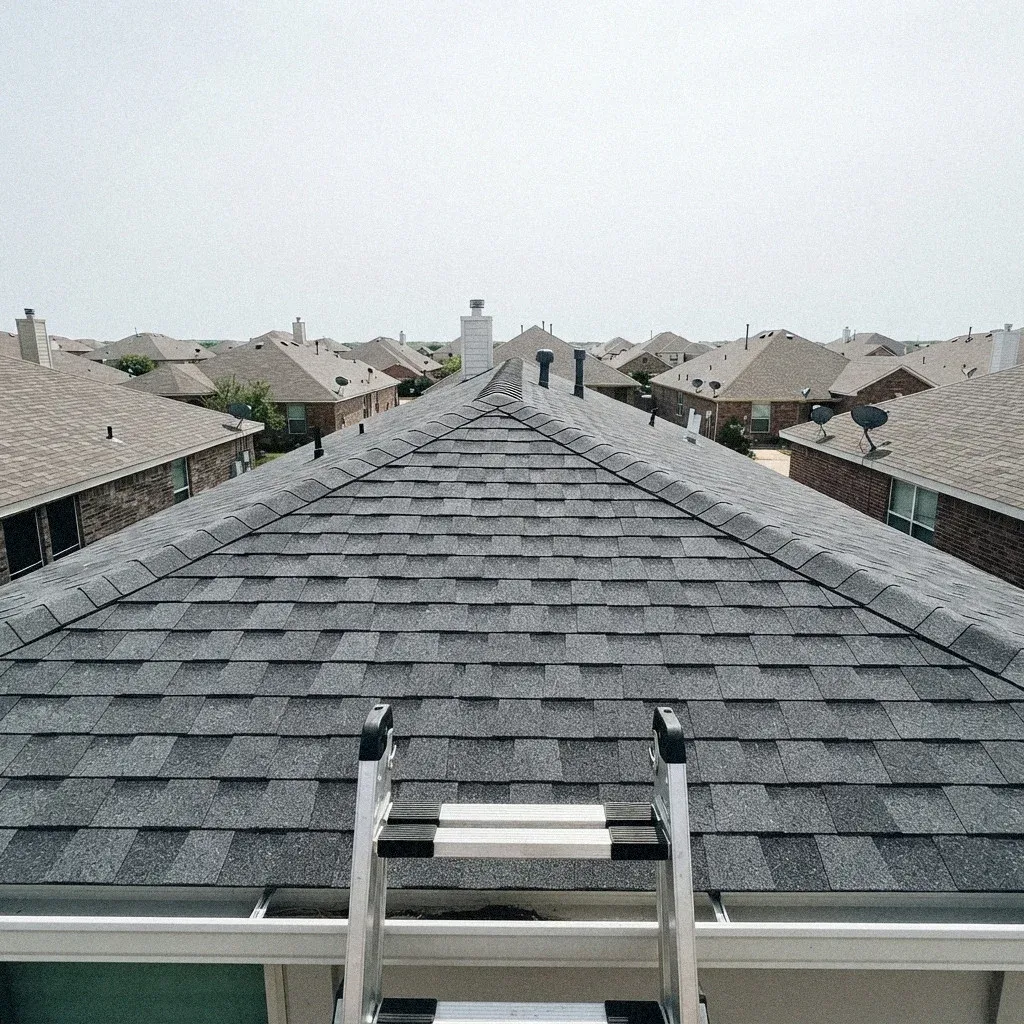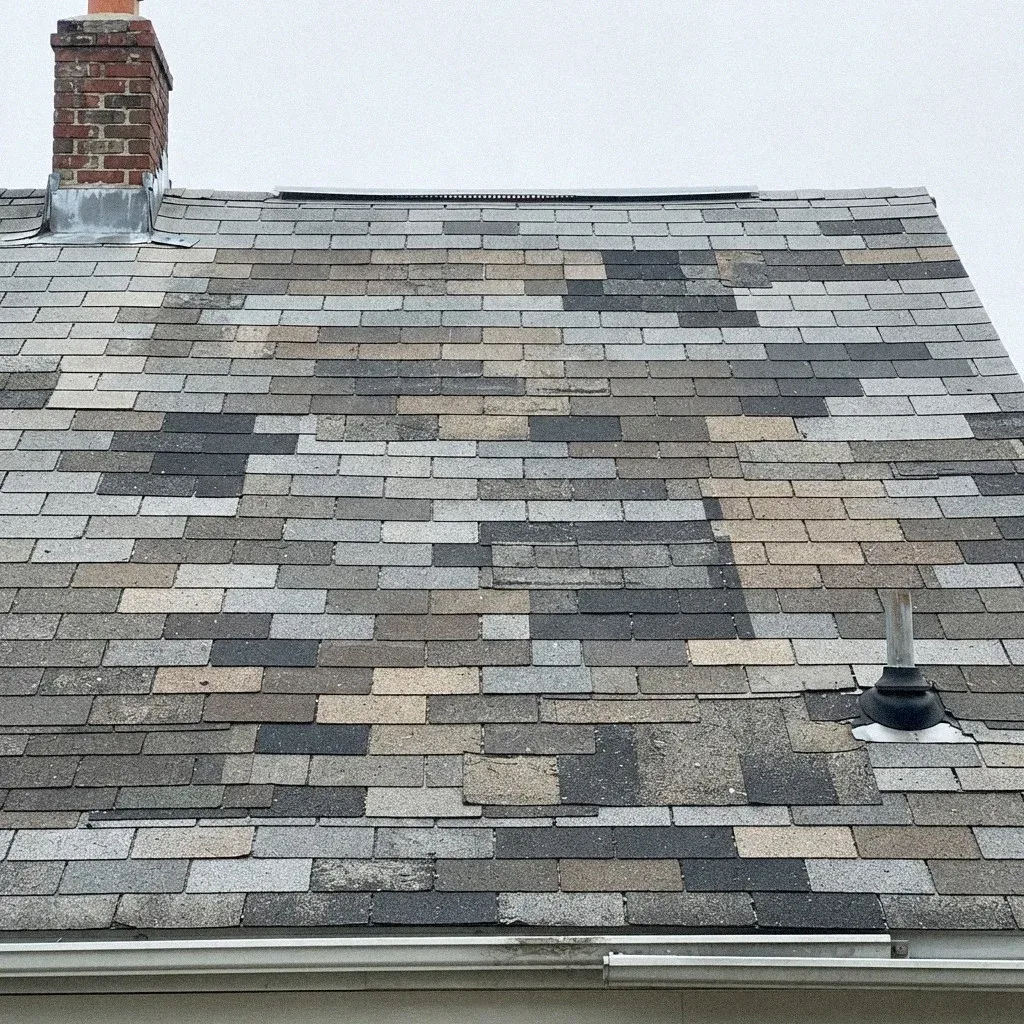
A roof in Jacksonville rarely fails on the day of a hurricane. It loses ground for years first, one humid summer at a time, and most homeowners never see the slow part happen. Afternoon thunderstorms soak the deck, the sun bakes it dry within hours, and that swing repeats for months. Add shade from tree cover in Avondale or Ortega Forest, and the drying half of that cycle slows down enough to matter.
Repeated Wetting, Slow Drying
Jacksonville doesn't just get rain, it gets rain that returns the next afternoon before yesterday's has fully dried. A roof that stays damp longer than it stays dry starts breaking down from underneath, not just on the surface. Shingles near Riverside or Avondale, shaded by mature tree canopy, often hold moisture well after a sunnier roof nearby has dried completely, and that lingering dampness is doing quiet damage the whole time.
Shade That Never Lets Up
Heavy tree cover looks good from the street, but it changes how a roof ages. Neighborhoods like Ortega and San Marco have old growth that shades entire sections of roof for most of the day, which sounds like relief from the sun but actually traps humidity against the shingles. That constant dampness feeds the kind of slow surface breakdown that a fully sunlit roof across town simply doesn't deal with.
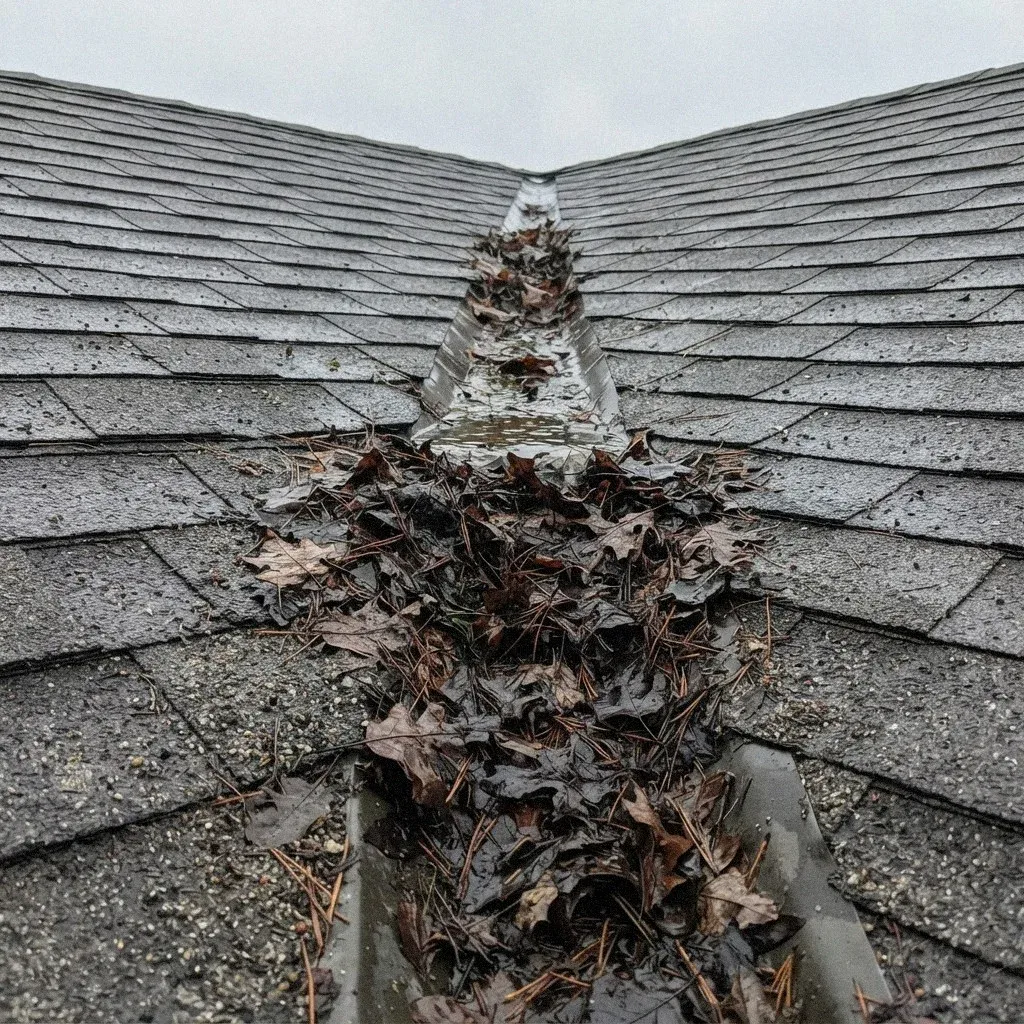
Debris Sitting in Valleys
Flashing takes the worst of it around chimneys, skylights, and where a lower roofline meets a wall near neighborhoods like San Marco or Murray Hill. Sealant there dries out faster than the field of the roof because it flexes with every temperature swing off the St. Johns River. Once a flashing joint opens even slightly, wind-driven rain from an afternoon thunderstorm finds the gap before a homeowner ever sees a stain inside.
Drainage That Backs Up
Gutters clogged with debris send water spilling over the edge instead of down the downspout, and that water lands right where it can seep behind fascia boards or pond near the roof edge. Jacksonville's flat lot lines mean water doesn't always have a clear path away from the house, so a gutter system that isn't clearing itself becomes a slow, repeated source of roof-edge damage rather than a one-time problem.
Flashing That Was Never Quite Right
Flashing around chimneys, skylights, and where a roof meets a wall is supposed to shed water without a gap. When it was installed loosely, or caulked instead of properly formed, it holds up fine in light rain but starts letting moisture through during the kind of driving, wind-pushed rain that shows up with a summer storm system. That intrusion often shows up as a ceiling stain long before anyone connects it back to the flashing.
Attic Air That Never Moves
An attic that can't vent properly traps hot, moist air against the underside of the roof deck all summer. In older homes around Murray Hill or Panama Park, where ventilation wasn't built to today's standards, that stale air raises the deck's temperature and moisture load from below at the same time the sun is working on it from above, aging the roof from two directions at once instead of one.
Low-Slope Sections That Hold Water
Not every roof in Jacksonville has a steep pitch. Additions, porch roofs, and some ranch-style homes near Arlington and Baymeadows have low-slope sections where water drains slowly even when everything is installed correctly. Those flatter areas sit wet longer after every storm, and that extended contact time wears down the roofing material faster than the steeper sections on the same house.
Wind-Driven Rain at the Edges
Hurricane season brings more than heavy rainfall, it brings rain pushed sideways by wind, and that changes where a roof is vulnerable. Water that would normally run straight off gets forced up under shingle edges and around vents instead. Homes closer to the St. Johns River in areas like Southbank and San Marco see this kind of wind-driven exposure regularly during tropical weather, and it stresses roofing details that calm rain never touches.
Sun Exposure With No Break
On the flip side of shade, roofs with full, unbroken sun exposure age from constant UV and heat rather than moisture. Newer developments around Town Center and Southside, with less mature landscaping, often have roofs baking in direct sun most of the day. That steady heat dries out the oils in roofing material over time, making it brittle years before a shaded roof nearby shows the same wear.
Storms That Leave a Mark Quietly
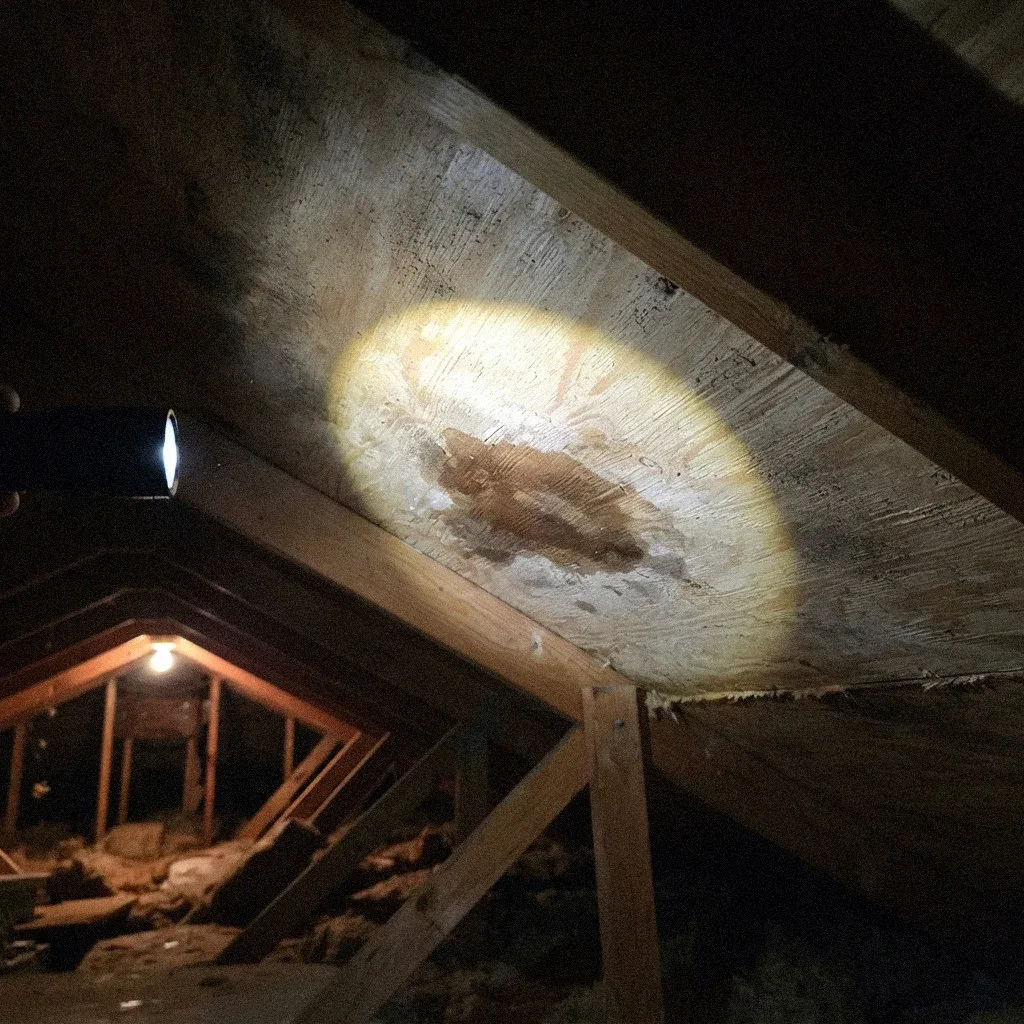
A musty smell in an upstairs closet, dark streaking on the underside of the decking, or nails backing out through the shingles above the attic are the kind of clues that point to trapped heat and moisture doing their work out of sight. None of these show up from the driveway. They show up when someone finally goes up into the attic with a flashlight, which is exactly why that space deserves a look before hurricane season, not after.
What Ties These Causes Together
Shade, debris, drainage, flashing, attic air, and wind-driven rain don't act alone, they compound each other. A shaded roof with a clogged gutter ages faster than either problem would on its own. Jacksonville homeowners who notice more than one of these at play, especially heading into hurricane season, are usually looking at a roof aging well ahead of its years rather than one problem waiting to be fixed.
Dealing with this in your home?
Jacksonville roofs wear out street by street, not city-wide. Riverside and Avondale still carry crawl-space homes from the 1920s, where old decking meets modern afternoon thunderstorms. Cross the St. Johns River into Arlington and it's mostly slab homes with 1950s-60s roof lines needing different attention. San Marco's stucco bungalows near San Marco Square age differently again.