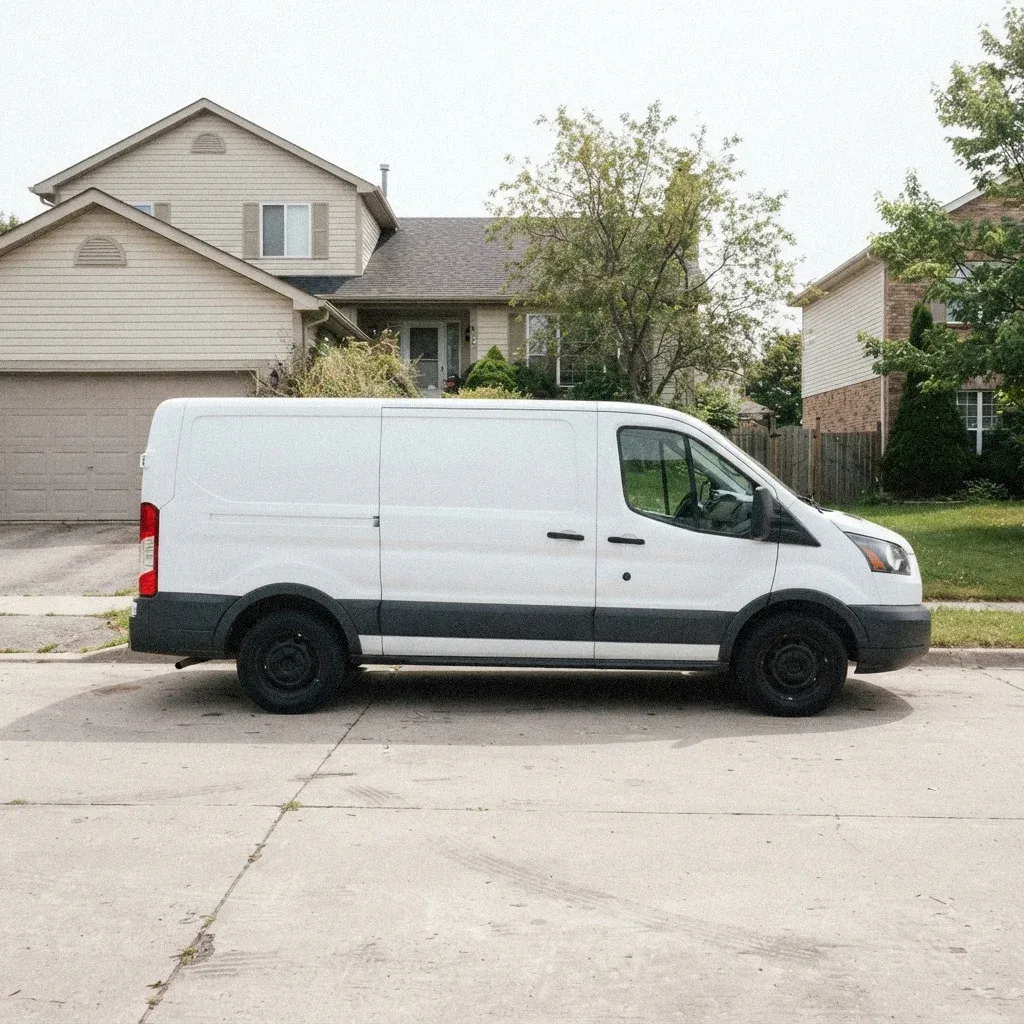
Most Jacksonville homeowners get by on a twice-a-year rhythm, once in spring before hurricane season builds and once in fall after it winds down. That baseline inspection catches what a season of afternoon thunderstorms and heat does to shingles, flashing, and sealant. It's a starting point, not a fixed rule. A roof over Riverside behaves differently than one out past Argyle Forest depending on tree cover, slope, and sun exposure.
Roof Age Shortens the Gap
A new roof installed after a permitted reroof in the Building Inspection Division's records can often go a full year between checks without much worry. Once a roof passes its middle years and starts closing in on its expected service life, that gap should shrink. Granule loss, brittle sealant, and nail movement all speed up in the back half of a roof's life, and Jacksonville's heat pushes that timeline faster than milder climates do.
Covering Material Sets Its Own Clock
Asphalt shingle, the most common covering on homes from Cedar Hills to Mandarin, tolerates a longer stretch between looks than a metal roof's exposed fasteners or a tile roof's underlayment hidden beneath the pieces you can see. Metal seams and tile underlayment fail quietly, out of sight until water finds a path. A roof's material, not just its calendar age, decides how much slack is safe to leave between visits.
Storms Reset the Clock Early
A hurricane with named-storm winds or hail large enough to dent gutters justifies a look even if the roof was checked last month. Jacksonville's afternoon thunderstorms rarely warrant this on their own, but a tropical system tracking through Duval County does. Homeowners in Arlington, Mandarin, or the Northside should walk the yard afterward for granules in the flower beds or a shingle piece caught in a fence line before deciding whether someone needs to get up there.
Selling Adds Its Own Trigger
Listing a home in San Marco or Avondale usually means a buyer's inspector will climb the roof regardless of when the owner last had it checked. A pre-sale inspection ahead of that visit lets a seller walk in knowing what's coming instead of finding out during negotiations. Sellers who schedule this early have time to handle small issues quietly rather than watching them become a bargaining chip at the closing table.
Warranties Carry Their Own Requirement
Manufacturer and workmanship warranties on newer roofs often carry a warranty maintenance requirement, a schedule of documented checks the homeowner has to keep up to keep coverage active. Skipping those visits can void a claim years later even if the roof itself holds up fine in the meantime. Anyone who financed a reroof through a warranty program should know what that document asks for before the next renewal date passes.
What a Ground Survey Can Catch
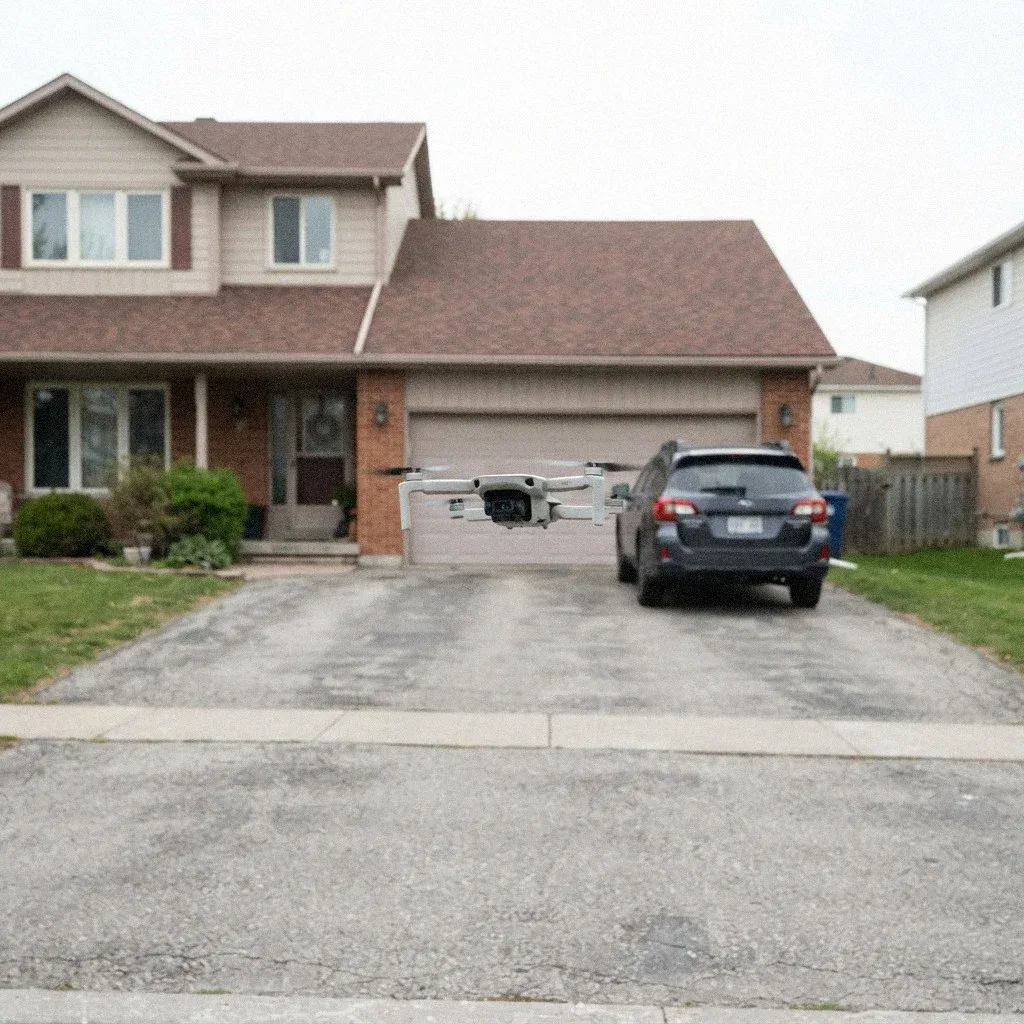
A survey from the ground is not a substitute for a roof visit, but it costs nothing and it catches more than most people expect. From the driveway you can see a wave in the ridge, courses that have gone out of line, bald patches holding a fixed shadow, dark streaking on a shaded slope, and a gutter that overflows in the same spot every storm. What it cannot see is anything on a slope facing away from the street, a low-slope section behind a taller plane, flashing detail at a chimney, or whether the decking underneath has gone soft. Use it to decide when to book, not instead of booking.
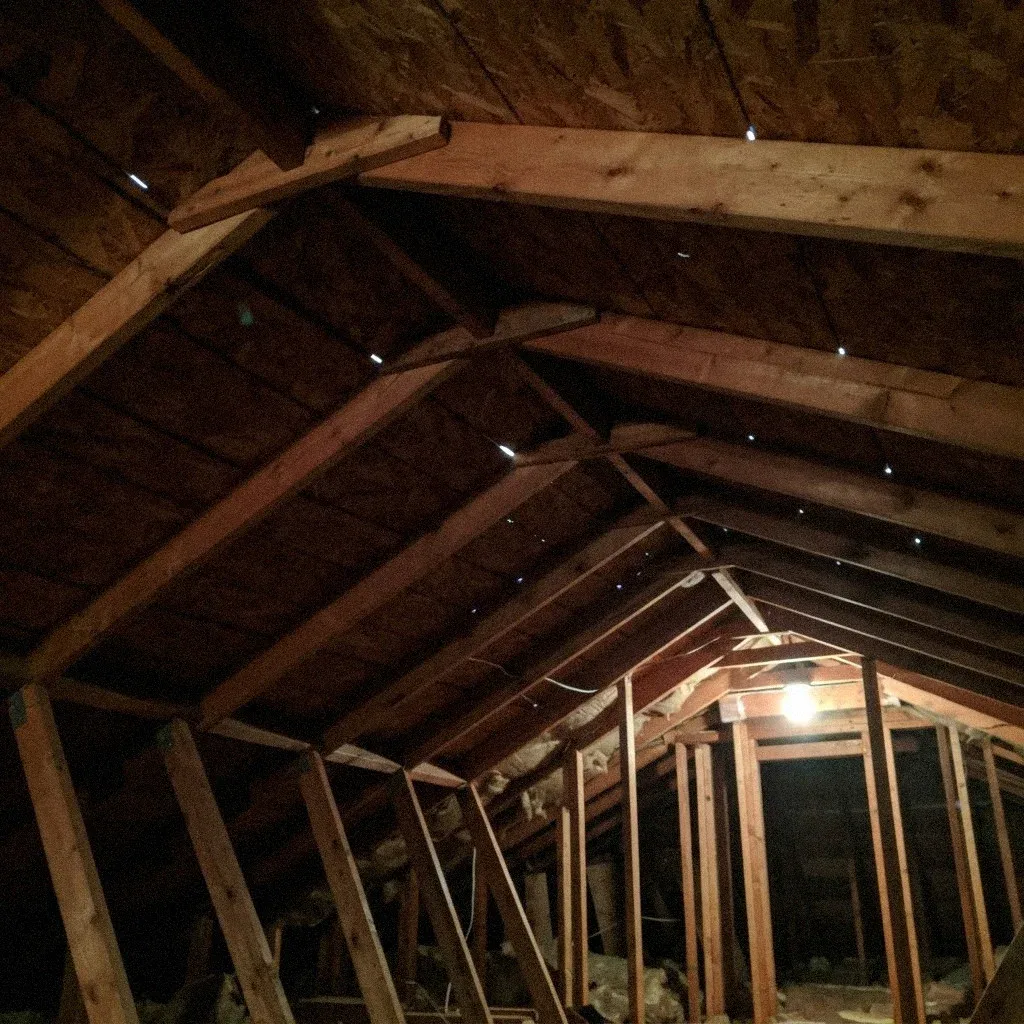
An Attic Look Fills a Blind Spot
A shingle or metal roof carrying a manufacturer's warranty often comes with its own maintenance requirement, separate from any interval a homeowner picks on their own. Skipping that scheduled look, even on a newer roof in Mandarin or Fleming Island, can give a manufacturer grounds to deny a claim later. Reading the warranty paperwork once, right after the reroof permit closes out, saves an argument over coverage the next time Jacksonville sees a bad hurricane season.
Keeping a Photo Record Over Time
A photo record taken at each visit, dated and stored together, turns a string of separate checks into one continuous inspection file. That file matters most when a roof gets older, when an insurer asks questions after a claim, or when a buyer's agent wants proof of upkeep. Without it, an owner is left describing years of care from memory, which carries far less weight than a folder of timestamped images.
Sorting What Actually Needs Fixing
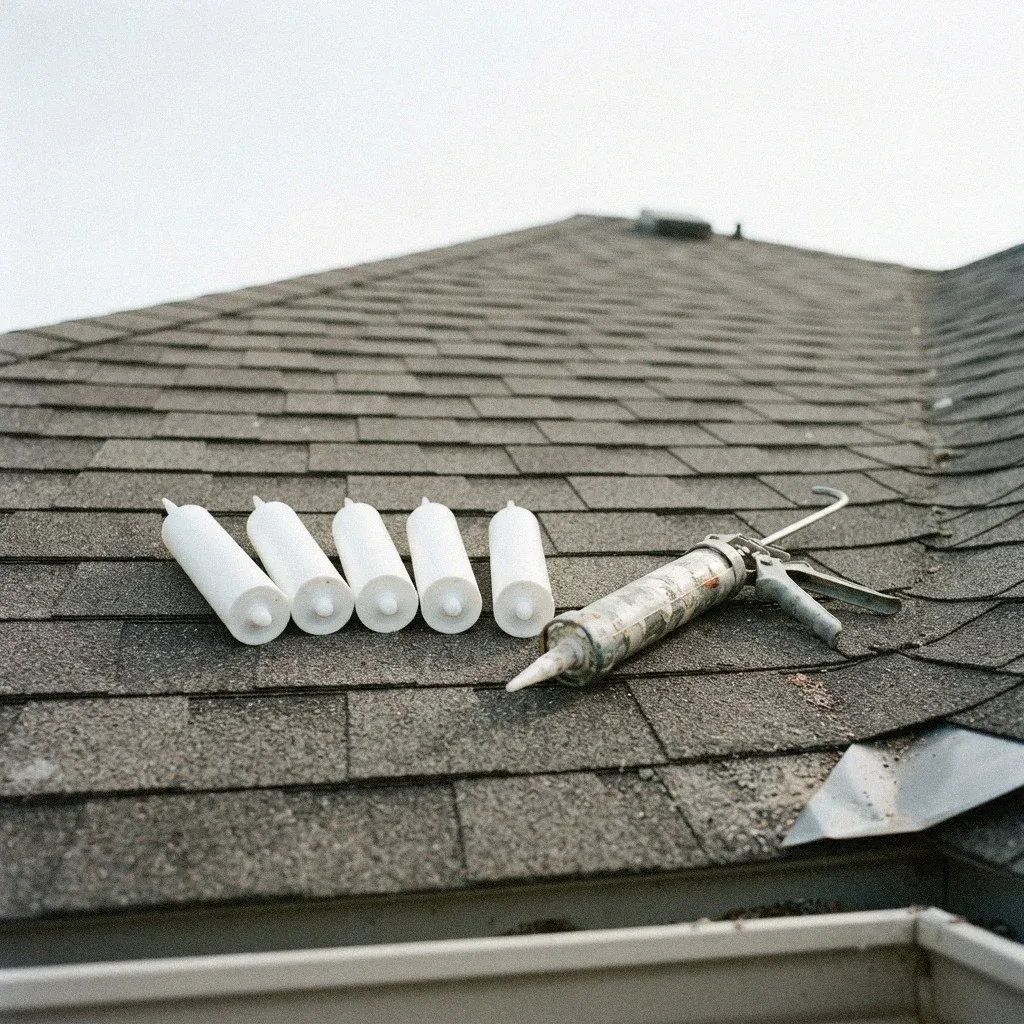
Not everything a check turns up needs a ladder and a repair crew the same week. A minor repair threshold, a sensible line between what waits for the next scheduled visit and what gets addressed now, keeps small findings from turning into unnecessary panic or unnecessary spending. Loose granules in a gutter are rarely urgent. A lifted shingle over a valley after a storm usually is.
Building a Punch List Between Visits
Keeping a running punch list of small items noticed between formal inspections, a cracked pipe boot, a stained soffit, a loose ridge cap, gives the next visit a clear starting point instead of a blank slate. It also helps separate cosmetic wear from anything that changed quickly, which is often the more useful signal. Homeowners in Springfield's older housing stock tend to accumulate these lists faster than newer subdivisions do.
Settling on a Realistic Schedule
There's no single number that fits every roof in Jacksonville, but a workable pattern holds up: twice yearly as a baseline, sooner after any named storm, and an added look before a sale or a warranty renewal deadline. Age and material pull that interval tighter as the years add up. Treating the calendar and the triggers together, rather than picking one, is what actually keeps a roof from surprising its owner.
Dealing with this in your home?
Jacksonville roofs wear out street by street, not city-wide. Riverside and Avondale still carry crawl-space homes from the 1920s, where old decking meets modern afternoon thunderstorms. Cross the St. Johns River into Arlington and it's mostly slab homes with 1950s-60s roof lines needing different attention. San Marco's stucco bungalows near San Marco Square age differently again.