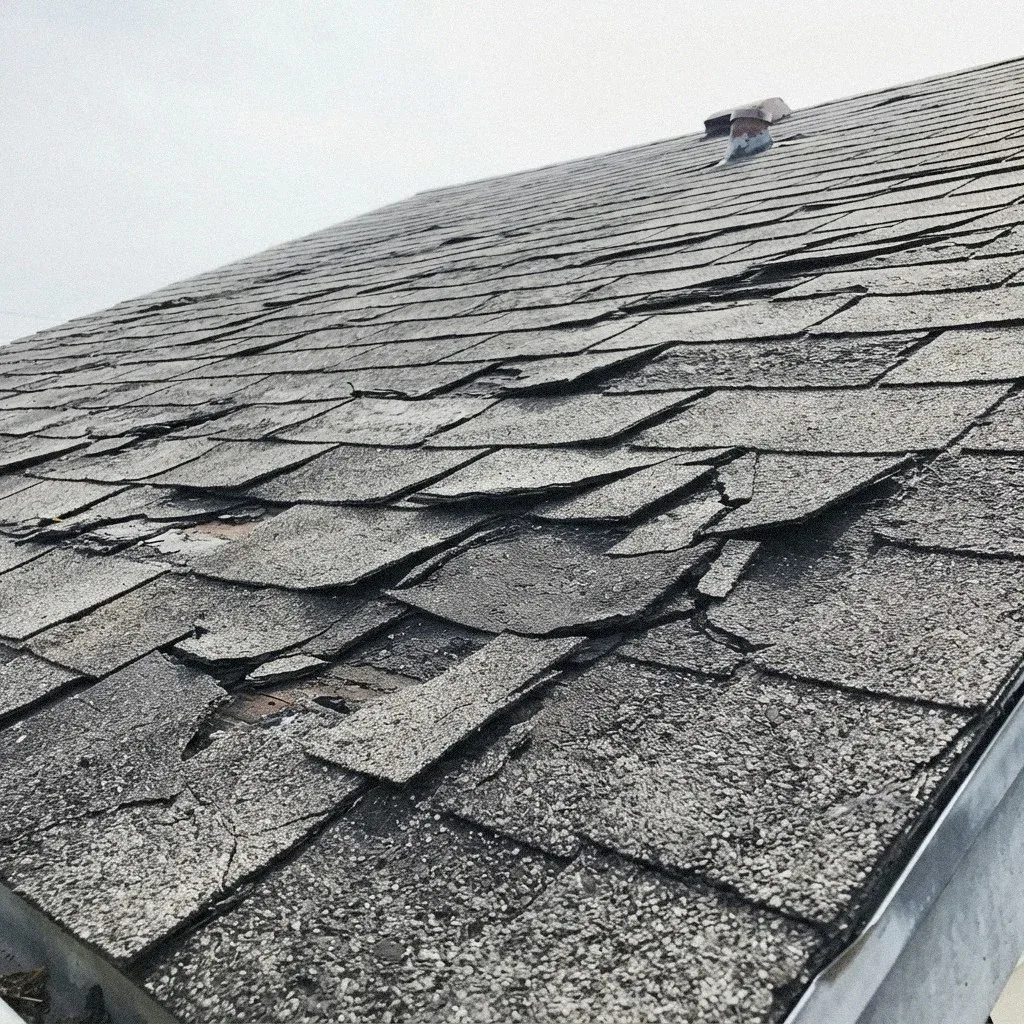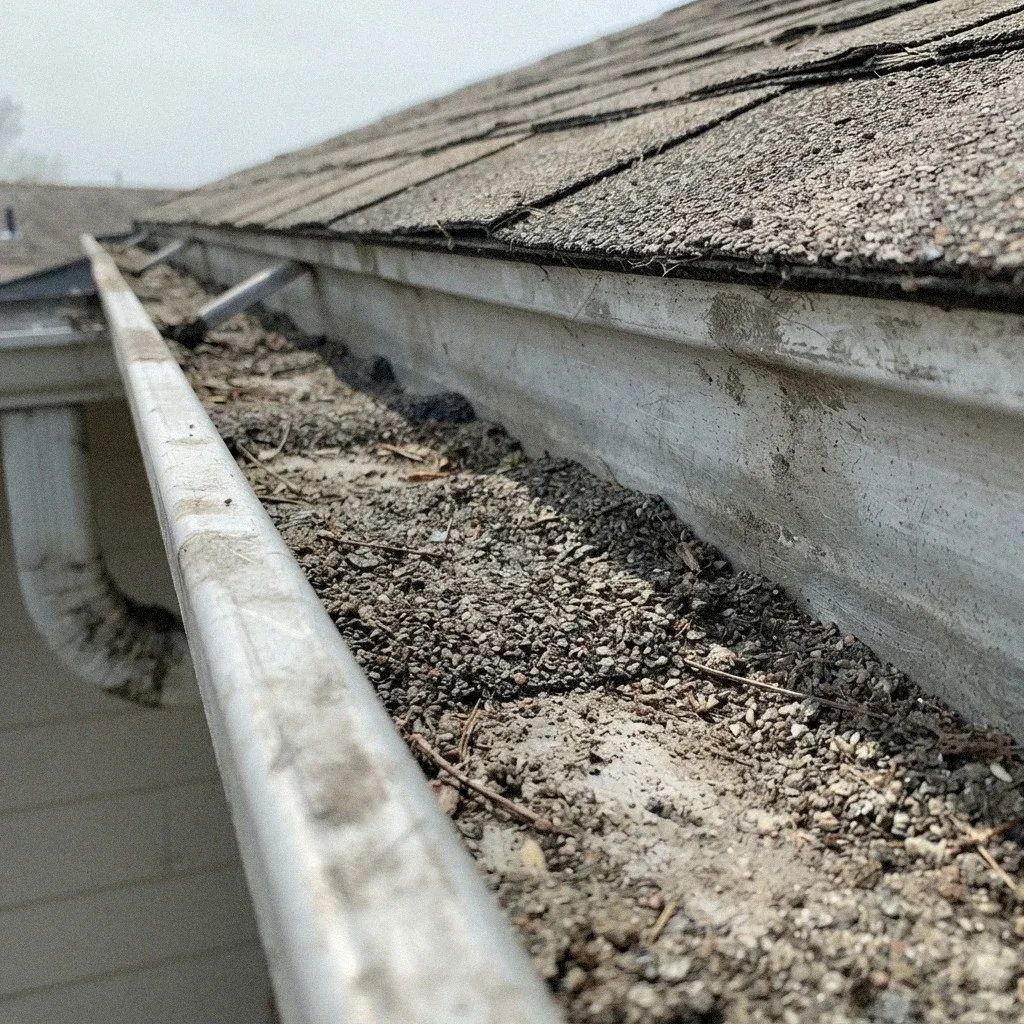
Every composition shingle roof in Jacksonville, from a Riverside bungalow to a newer build off Southside Boulevard, sheds ceramic granules throughout its life. Manufacturers embed these granules into the asphalt mat's top coat during production, and they protect the mat underneath from UV degradation. A steady, light trickle into the gutter trough is normal wear, not damage. The question worth asking isn't whether granules show up at all, but how much, how often, and whether that pattern is changing.
The Break-In Period Explained
A roof reroofed in the last year or so, whether in Avondale or out toward Mandarin, often sheds loose granules that never fully set during manufacturing or installation. Jacksonville's afternoon thunderstorms through the wet months wash that excess off quickly. This break-in shedding tends to be heaviest right after the roofing permit closes out and tapers within a couple years as the surfacing settles. It's a one-time clearing out, not an ongoing pattern.
When Loss Becomes Progressive
There's a second pattern that has nothing to do with a new roof settling in. This one shows up on a Jacksonville roof that's already logged a decade or more under the sun, and the granules don't taper off after a season the way break-in shedding does. Instead the asphalt mat keeps surfacing bare patches, a little more each year, because the ceramic granule coating has thinned past the point of protecting it from UV degradation.
Bald Spots And Shiny Patches
A bald spot is a section where the granules have worn away enough to expose the black asphalt mat underneath, often visible as a shiny or slick-looking patch from the ground. This isn't the same as scattered thinning across a shingle's exposure. A bald spot concentrates in one area, usually where wear started first, and it means that section has lost the UV shield the granules provided, leaving the asphalt beneath exposed to direct sun.
Why One Slope Loses More
Roof orientation changes the math. A slope facing the afternoon sun in a neighborhood like San Marco or Mandarin absorbs more direct heat across a Jacksonville summer than a shaded north-facing plane, and that heat speeds up granule shedding on that side alone. A homeowner checking gutters near Riverside or Arlington might find one downspout carrying noticeably more grit than another simply because the two slopes above them never see the same exposure.
Judging The Actual Amount
One trip to the gutters rarely proves much either way. A homeowner in Springfield or Ortega who scoops out a thin layer of grit during a routine cleanout has likely just caught ordinary shingle exposure doing its job. The number that means something is the one built from repeat checks: a light dusting every time points to a roof aging normally, while a load that grows heavier at each cleaning points toward a wear pattern worth having looked at.
Blisters And Sudden Releases
Blistering is a separate story from steady wear, and it dumps granules in one event instead of spreading the loss out. Heat and humidity work air or moisture underneath the shingle surface until a small bubble forms, and when that bubble finally breaks it flings its granule coating loose all at once. A gutter trough near a Baymeadows or Southside home that suddenly holds a noticeably larger clump after one hot stretch is more consistent with a blister failing than with gradual aging.
What The Splash Block Catches
Checking where a downspout empties onto its splash block is worth doing precisely because that spot collects everything the roof sends down during a heavy Jacksonville downpour. If a homeowner in Murray Hill or Avondale notices grit piling up there after nearly every afternoon thunderstorm, that pattern says more than a single gutter scoop ever could, since it reflects runoff carried off the roof over many storms rather than one cleaning.
Reading Loss By Season
Jacksonville's pattern of heavy summer rain followed by drier stretches plays a role in what shows up in the gutter. Repeated wetting and drying cycles through the rainy months gradually loosen granules that UV exposure has already weakened. That means a homeowner in Oceanway or Panama Park might see more in the trough right after a stretch of afternoon thunderstorms than during a dry winter month, without that seasonal bump meaning the roof has gotten worse.
Roofs Where This Doesn't Apply
This entire read only applies to composition shingle roofs. Some older homes in Riverside or Avondale still carry different roofing materials from earlier building eras, and granule shedding simply doesn't apply to those surfaces the same way. If a roof doesn't use asphalt shingles with a granulated surface, gutter contents won't tell you anything about wear at all, so it's worth confirming the roofing material first.
Deciding If It Needs A Look
None of this settles the question by itself, though. Volume at the splash block and timing between cleanings tell a homeowner something real, but they don't show whether one slope over a garage in Cedar Hills or Englewood has gone thin while the rest of the roof is fine, and they can't confirm whether a bald spot is spreading or already stopped. That distinction usually needs eyes on the actual shingle surface, not just what collected at the ground.
Watching It Over The Seasons
What actually helps is watching the identical spots season after season rather than judging by any one cleanout. Jot down roughly what a downspout near a Northside or Westside home carries each time hurricane season winds down, note which slope it drains, and compare that against the next round. A steady trickle across years reads as normal aging; a jump that keeps climbing is the kind of change worth having someone look at from the roof itself.
Dealing with this in your home?
Jacksonville roofs wear out street by street, not city-wide. Riverside and Avondale still carry crawl-space homes from the 1920s, where old decking meets modern afternoon thunderstorms. Cross the St. Johns River into Arlington and it's mostly slab homes with 1950s-60s roof lines needing different attention. San Marco's stucco bungalows near San Marco Square age differently again.