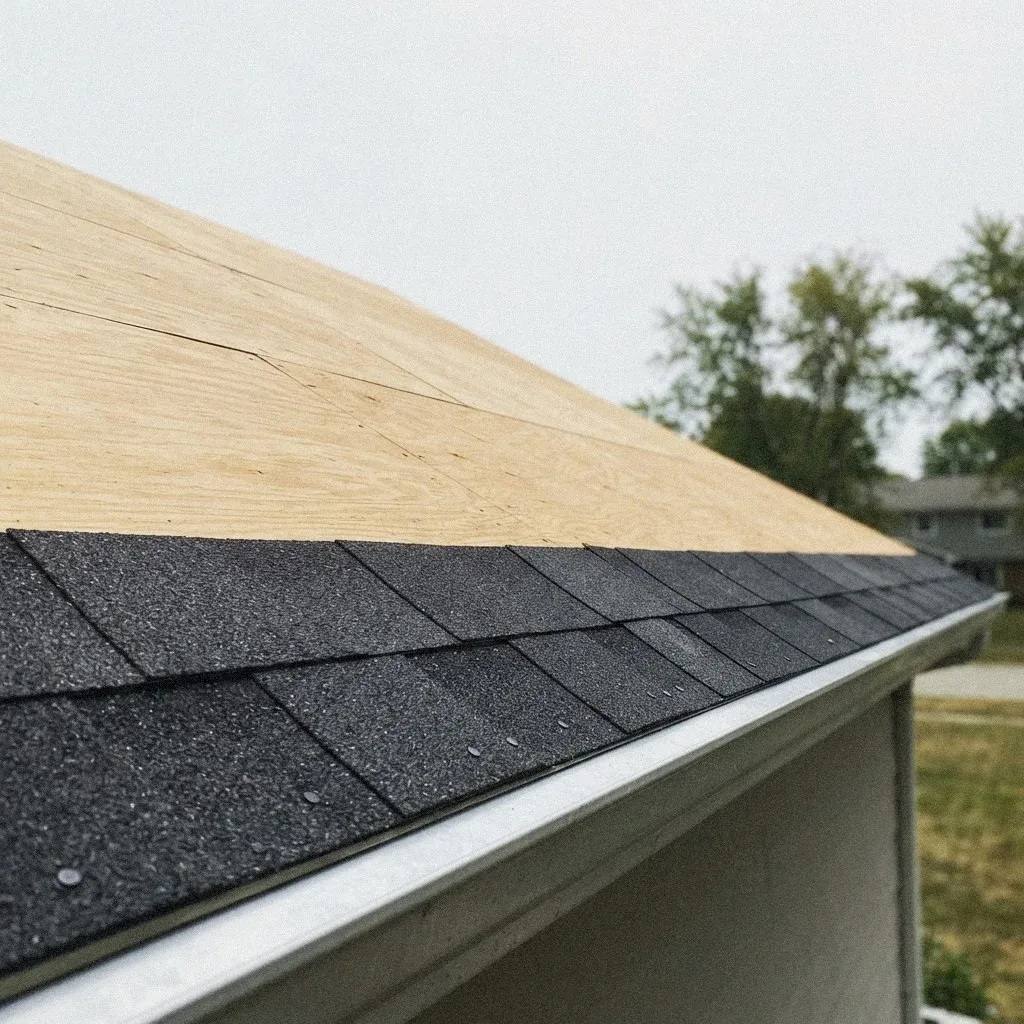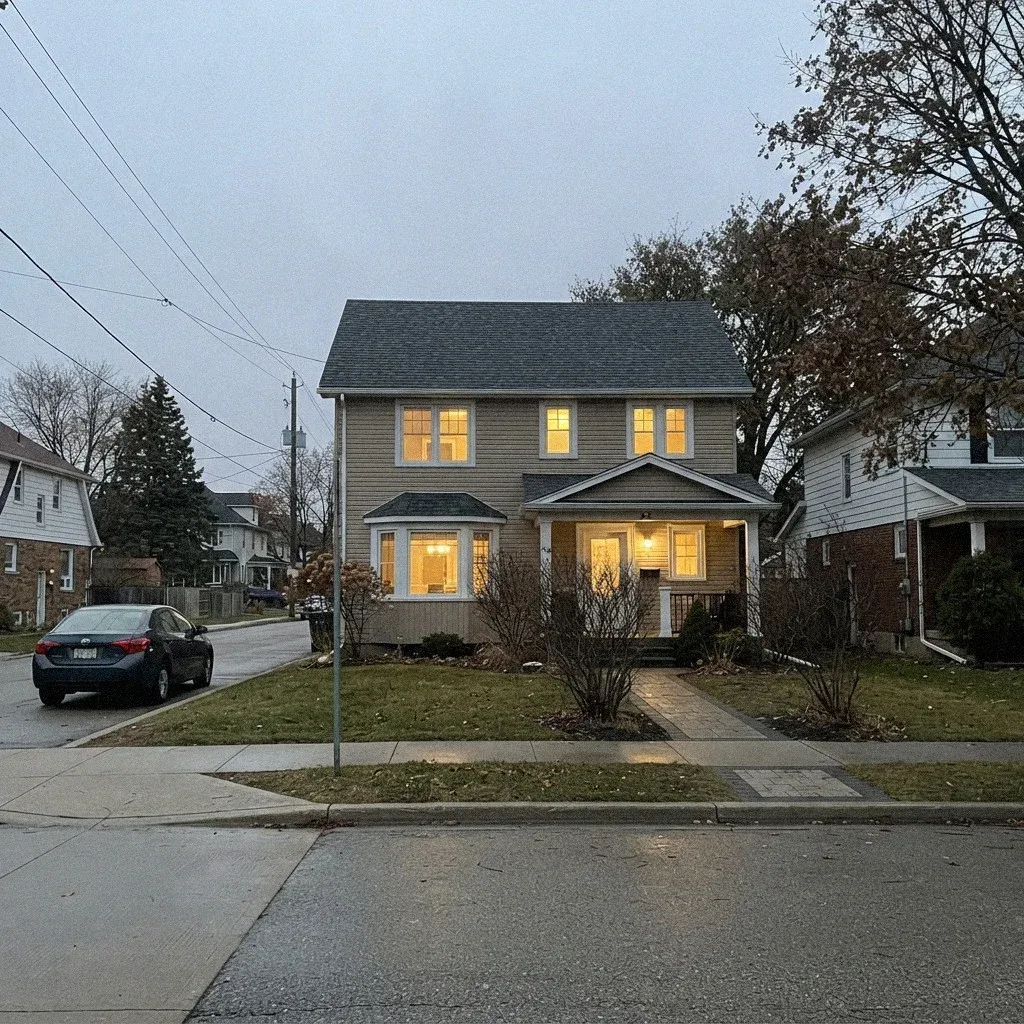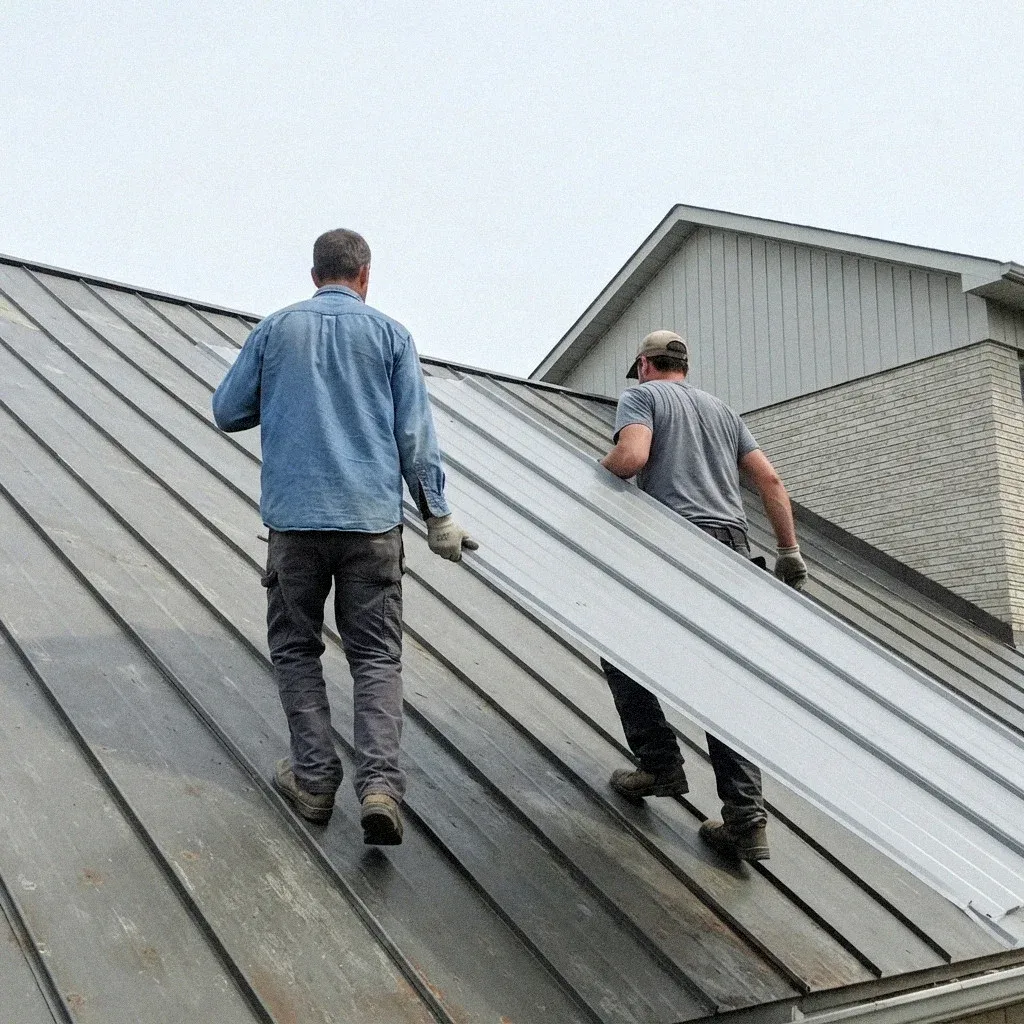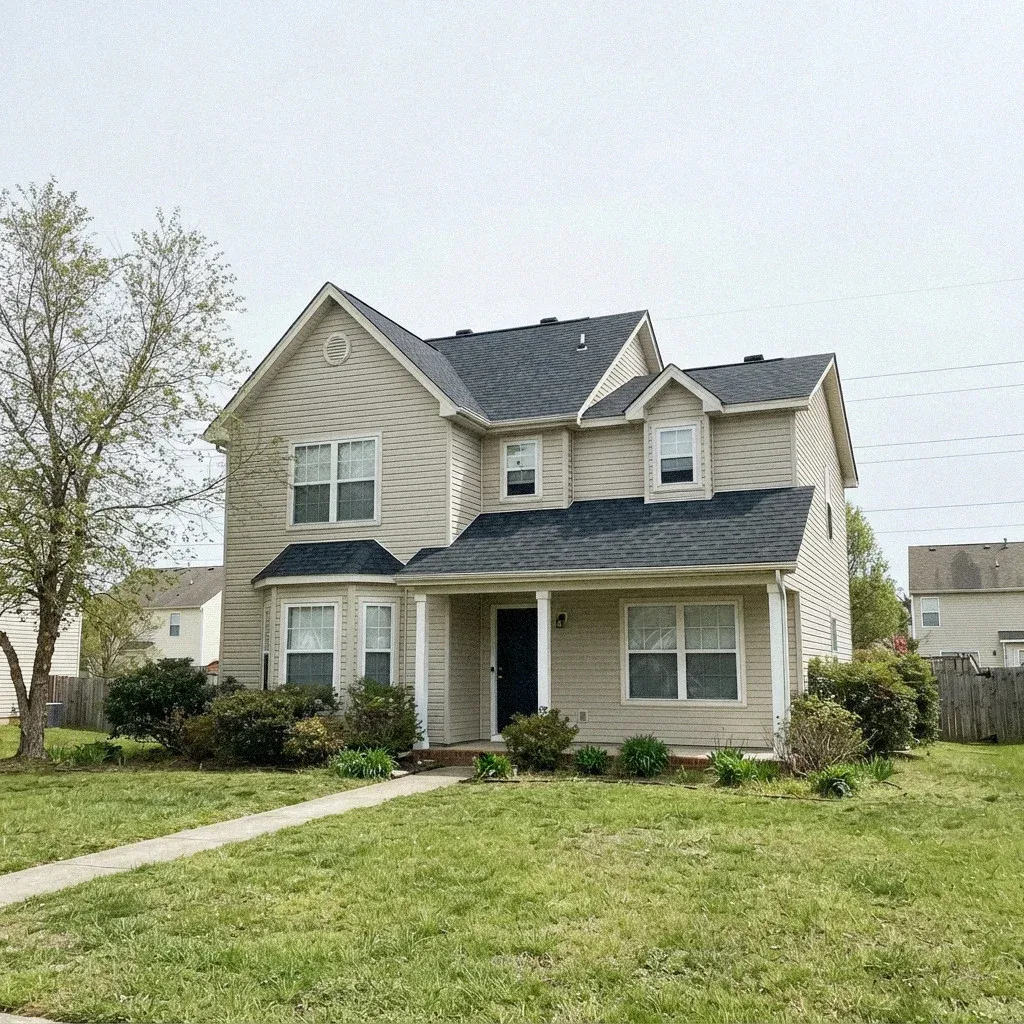
A roof color choice in Jacksonville rarely stands alone. The shingle blend sits above brick or siding that already has its own undertone, and next to houses on the same street with rooflines you can see from the sidewalk. A homeowner in Avondale or Murray Hill isn't just picking a chip off a rack — they're deciding how that blend will look against everything already built around it.
Warm Or Cool Against Brick
Brick and stone carry an undertone even when they look plain gray or red from the curb. Warm brick with orange or tan flecks tends to fight a cool blue-gray shingle blend, while a warm charcoal or brown blend tends to sit calmer against it. Cool-toned stone or painted brick often reads better under a gray blend with cool undertones. Standing back from the house and looking at both surfaces together, rather than one at a time, is what actually shows the clash or the match.
Reading Contrast Level
Contrast level is about how far apart the shingle color sits from the trim, fascia, and siding color in lightness, not just hue. A dark blend under light trim gives the roofline a defined edge from the street. A blend close in value to the siding can make the whole house read as one shape with no roofline at all. Neither is wrong on its own, but the gap between the two should be a choice, not an accident noticed after the shingles are on.
Monochromatic Versus Mixed Tone
A monochromatic scheme keeps the roof, trim, and siding within one narrow color family, which tends to read as calm and unified from a distance down the block. A mixed-tone approach pairs a distinct shingle color against a different-toned siding and trim, which reads bolder up close but can look busy on a smaller lot. Houses in Springfield with tighter setbacks often show this difference clearly, since neighboring rooflines sit close enough to compare side by side.
Why Brochures Mislead
A shingle sample the size of a business card compresses the color blend into a flat impression that doesn't hold up outdoors. The individual granule colors that make up the blend need enough surface area to separate visually, the way they will on an actual roof. A brochure swatch under indoor lighting also shifts warmer or cooler than the same shingle under Jacksonville's daylight, so a color that looks balanced on paper can read differently once it's overhead.
Why Full-Size Boards Matter
A full-size sample board shows the blend at roughly the scale it will actually cover, letting the eye register how the lighter and darker granules in the mix average out from a normal viewing distance. At small scale those same granules can look like specks; at full scale they blend into the shadow band and overall tone a homeowner is actually choosing. Asking to see a full-size board before signing off avoids committing to a color that only worked at swatch size.
Judging Samples Outdoors
Indoor lighting and outdoor daylight render the same shingle blend differently enough to matter. A sample that looks neutral gray under a showroom light can shift green or blue once it's held against actual sky and sunlight. Bringing a sample board outside, ideally near the house itself and viewed at different times of day, shows how the color will actually behave once it's on the roof rather than how it behaves under fluorescent light indoors.
Setting Up A Mock-Up Viewing
A mock-up viewing means holding or propping the sample board against the actual house, near the siding and trim it will sit above, rather than judging it in isolation. This is where undertone mismatches and contrast problems usually show up first. Walking to the opposite side of the street in a neighborhood like Ortega or San Marco and looking back at the house from that distance approximates how neighbors and passersby will actually see the finished roof.
Weighing In The Street
A shingle blend doesn't sit in isolation once it's installed — it sits among the rooflines already visible up and down the block. That doesn't mean matching neighbors exactly, but it's worth walking or driving the street first and noting which blends read as too similar to the house next door and which stand out awkwardly for the wrong reasons. A color that looks fine on its own sample board can still feel out of place once it's the only one of its kind on a block of similar-era homes.
Coordinating Trim And Fascia
Trim and fascia color get repainted more easily than a roof gets replaced, which makes them the piece worth adjusting to fit the shingle blend rather than the other way around. A fascia that's currently a stark white can flatten a warm-toned shingle blend, while a softer off-white or a tone pulled from the blend's lighter granules tends to let the roof and trim read as planned together instead of two separate decisions made years apart.
Matching The Ridge Cap
A ridge cap that doesn't match the field shingle stands out from the street, especially on a corner lot in Avondale or San Marco where neighbors can see the roof plane clearly. Order enough of the same dye lot to cover ridges and hips together, since manufacturers vary blend proportions between production runs. If a repair happens years after the original install, expect some mismatch and plan the patch on a rear-facing slope instead of the elevation facing the road.
Accounting For Dye Lot Variation
Dye lot variation means shingles from different manufacturing runs of the same named color can carry slightly different tones, even under the same product line. This matters most on additions, garage tie-ins, or any job using leftover bundles from an earlier delivery in Jacksonville. Asking whether all the material for one roof comes from a single production run, and checking a few bundles from different pallets against each other, is a reasonable question before shingles go down.
Dealing with this in your home?
Jacksonville roofs wear out street by street, not city-wide. Riverside and Avondale still carry crawl-space homes from the 1920s, where old decking meets modern afternoon thunderstorms. Cross the St. Johns River into Arlington and it's mostly slab homes with 1950s-60s roof lines needing different attention. San Marco's stucco bungalows near San Marco Square age differently again.