Condos & HOAs
Condo & HOA Roofs
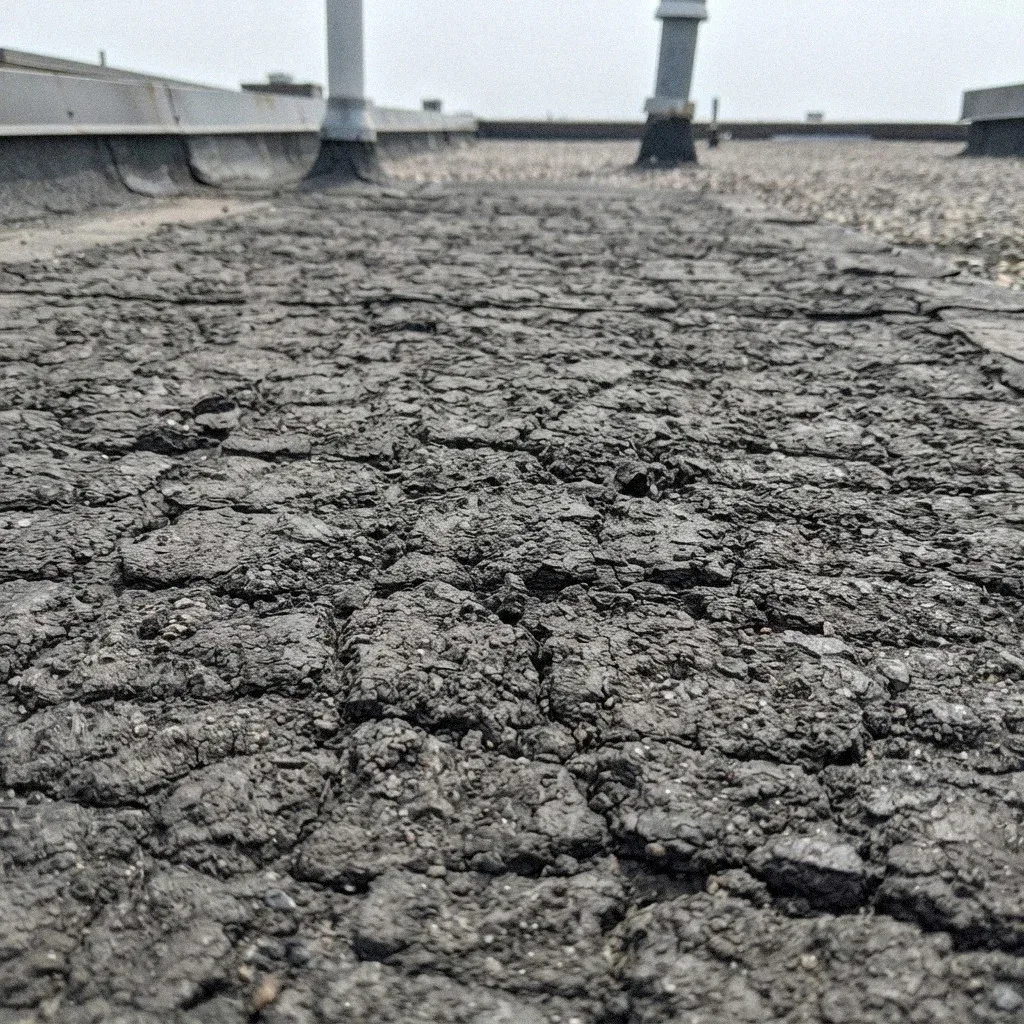
Summer-window campus roofing, phased by wing, cleared before the reopening deadline hits.
Jacksonville school and campus reroofing runs inside the summer work window between the last school day and the reopening deadline, phased by wing under a multi-year roof plan, and closed out before buses run again.
A Jacksonville school roof only comes open for real work once the building sits empty, and that narrows everything to one summer work window. Duval County campuses from Arlington to the Westside plan around June through early August, because a gymnasium roof section or a library and media room interior cannot be torn open while classes are in session. Once the last bell rings, the clock on the reopening deadline starts.
That fixed window rules out waiting on a slow leak the way a homeowner might. A section over a cafeteria or a media room that starts staining ceiling tile in spring cannot wait for a slower, cheaper fix once fall arrives. Facilities staff have to treat a developing leak as a summer project decided well before the building empties out, not a problem to revisit later.
Because one summer rarely covers a whole campus, most district roof work becomes a multi-year roof plan phased by wing. A school might see one wing reroofed this year, the gymnasium roof section next, and the library wing the year after, each phase sized to what a single summer window and a single procurement schedule can actually absorb without bleeding into the school year.
Deciding which wing goes first takes real mapping, not a guess made at a board meeting. Facilities staff need to know which sections are holding standing water, which flashing around a rooftop unit has aged out, and which low-slope areas are closest to failing outright, so the phased-by-wing plan puts the worst risk first instead of whichever wing is easiest to schedule.
Custodial coordination has to run alongside that mapping. Whoever manages the building day to day needs to know which entrances, hallways, and mechanical access points a wing closure will affect, because a reroof crew staging near a gymnasium or a media room wing can shut off a route custodial staff and any summer building use still depend on.
| Wing | Risk If Delayed | Best Summer To Go |
|---|---|---|
| Scope for one summer | Single building, one roof | One wing tackled per summer |
| Procurement lead time | Ordered weeks before break starts | Board sign-off months before bid |
| Material staging | One fenced zone, one site | Fenced zone relocates wing to wing |
| Building occupancy | Campus fully empty for summer | Finished wings may reopen sooner |
| Bus loop and playground | Kept clear of staging entirely | Fenced off from the active wing |
| Closeout before students return | Single walk-through before staff return | Punch list closed wing by wing |
| Gymnasium roof section | Open span, straightforward crane access | Often scheduled first in the sequence |
| Library and media room roof | Books and equipment at risk from leaks | Sequenced with care around collections and wiring |
None of this gets decided in May. Board approval for a Jacksonville school roof project typically happens months ahead of the actual work, often the fall or winter before, because the procurement schedule for materials and a licensed contractor's calendar both run well ahead of the summer itself.
That means a Duval County district weighing roof work for next summer is usually already deep into decisions the previous fall. Waiting until spring to start the approval process risks losing the contractor availability and the material lead time a summer project depends on, pushing the whole wing into the following year's plan instead.
Facilities staff manage that approval timeline against everything else competing for the same board agenda, from paving to HVAC replacement across a district that stretches from Northside campuses to schools near San Jose. A roof project has to earn its place on that agenda early enough to still leave time for the procurement schedule to run its course before June.
Site access control on an active or newly-emptied Jacksonville campus is its own planning problem, separate from the roof work itself. Staging has to sit inside a fenced work zone kept clear of any playground equipment and away from the bus loop, since buses still stage there for summer programs and fall registration even while a wing sits torn open overhead.
Material staging for a reroof, whether it is bundles of shingle, membrane rolls, or torn-off decking pulled from a gymnasium roof section, needs a spot that keeps a fenced perimeter between the work zone and any part of campus still in use. On a tight urban site near Downtown Jacksonville or Springfield, that fenced footprint has to be planned before the crew ever shows up.
Occupied-building protocol still applies even during summer break, because a Duval County campus is rarely fully empty. Summer school sections, sports camps, or district staff working out of an administrative wing near Baymeadows or Mandarin may still be using part of a building while the roof crew works another wing entirely, so the two schedules have to be kept apart on purpose.
Noise, debris, and dust from tear-off have to stay contained away from whatever is still running in the building, which takes coordination with whoever manages the campus that week. A gymnasium roof section being stripped next to a summer camp still meeting in the building below is a scheduling conflict that has to be solved before work starts, not discovered once it does.
The reopening date on a Jacksonville school roof is not a target, it is a wall. A district sets it, buses are routed against it through the bus loop, and staff report before students do, so a roof still under a closeout punch list on that date is not a minor delay, it is a problem the first morning of school inherits directly.
A punch list still open when the first buses run in fall creates a different kind of problem than a delayed home job would. Equipment and fencing near a playground or bus loop competing with arriving students and staff turns a roofing delay into a campus safety issue, which is exactly why closeout gets planned as its own phase, not an afterthought to the work itself.
Closeout on a Jacksonville campus roof clears the punch list before the bus loop fills again, not after. Flashing gets checked at parapets, drains get tested with a hose, and the fenced work zone comes down only once the wing passes inspection. A gymnasium roof section closing late can hold up fall sports as much as a late classroom wing holds up first period, so both get walked before the reopening deadline arrives.
Ventilation problems tend to hide in plain sight. Heat and moisture trapped under the roof deck can soften sheathing from the inside, with no visible leak at all, until a routine inspection or a repair crew finds it during unrelated work.Nocatee, St. Johns and Orange Park. Roof age matters less than what's happened to the roof. A tree limb strike, a satellite mount left over from a prior owner, a patch job that never got sealed right — each leaves a spot that holds water differently than the surrounding shingles, and that's where the next leak starts.
Roof age on paper rarely tells the full story. Ventilation, attic heat buildup, and how a roof was installed in the first place matter as much as the year it went on. A straight answer usually means someone getting on the roof and into the attic, not just a look from the driveway.Every estimate near San Marco or out toward Mandarin reflects what's actually on the roof, not a flat citywide number. Steep pitches, layered shingles, or decking softened by years of afternoon thunderstorms all change the math once a licensed pro is up there measuring instead of guessing from the driveway. pricing guide, and the commercial overview covers how a scheduled program works.
Condo & HOA Roofs
Commercial Roofing
Industrial Roofing
Mostly yes. A Jacksonville campus is only fully accessible once students clear out for summer, and the work window closes fast once the district's reopening deadline is set. Emergency leak repairs can happen during the school year under occupied-building protocol, but full reroofing waits for the building to empty out.
Depends on the campus. A school with a gymnasium roof section and multiple classroom wings rarely gets finished in one Jacksonville summer, so the work gets phased by wing across a multi-year roof plan, with one section done while the rest stays untouched and usable.
Months ahead of any work at a Duval County campus. Budget approval, contractor licensing checks, and bid award typically happen at winter or spring board meetings, since a public district's procurement schedule moves slower than a private commercial bid and material orders have to follow that timeline.
A fenced work zone with site access control keeps material staging, torn-off debris, and dumpsters clear of the playground and bus loop at every Jacksonville campus. Even during summer break, custodial staff and summer program supervisors are often still on site, so access gets coordinated with them directly.
Ask the licensed pros we connect you with to build a summer phasing plan around your district's reopening deadline.
Call (904) 675-6349