Jacksonville winters rarely test a roof the way cold climates do, but the season still leaves a record. Afternoon thunderstorm cycles ease off, humidity drops, and whatever wind and rain came through since fall finally gets a calm stretch for a homeowner to actually look up and check. That pause is short. Hurricane season builds again by summer, so the walkaround worth doing now is less about frost damage and more about catching what months of weather already loosened before the next round of storms arrives.
What Winter Actually Loosens
A rare hard freeze does happen in Jacksonville, usually one overnight dip somewhere around mid-February, but it is not the main story. Wind gusts from passing fronts, sustained rain, and swings between damp and dry air do more to a roof over a Duval County winter than any frost. Shingle edges lift slightly, granules shed a little faster, and small gaps that were fine in October start letting weather in by March.
Start From the Ground
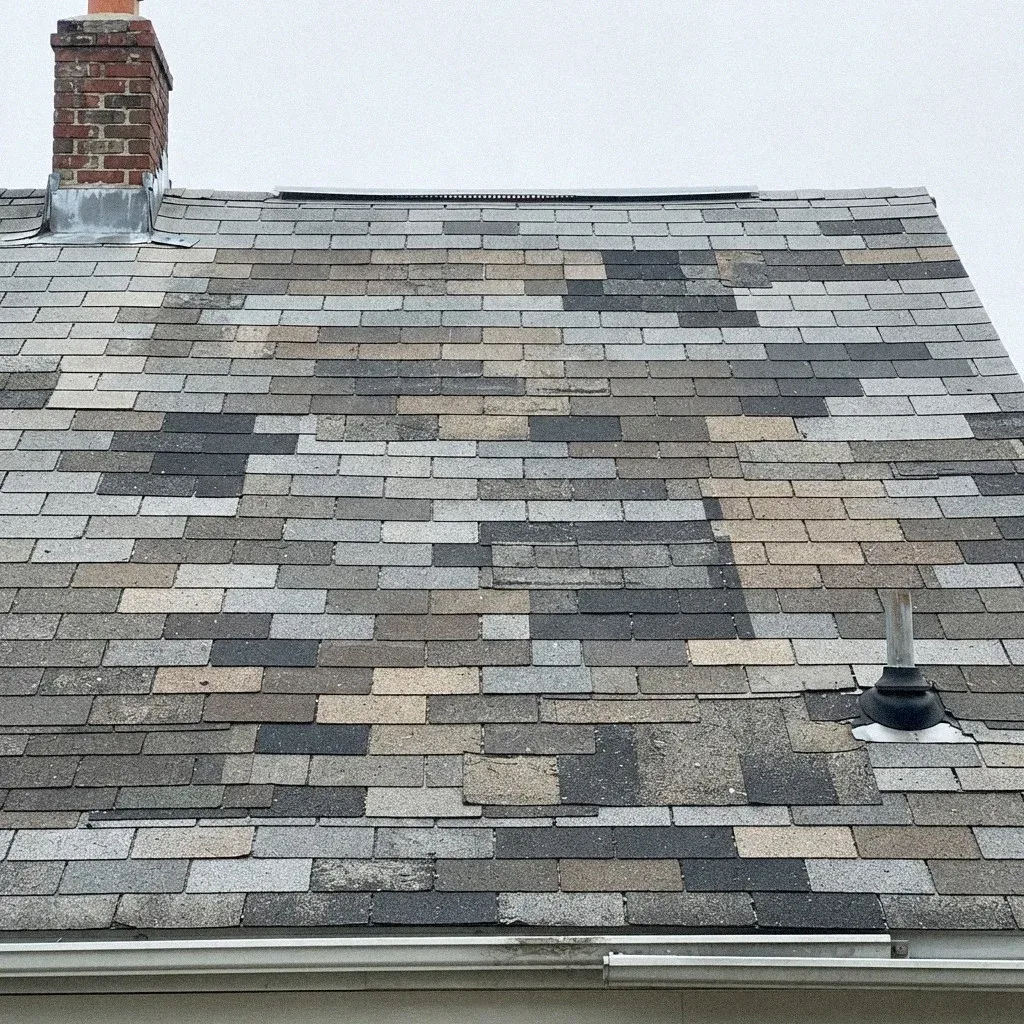
Jacksonville's mild winters skip the hard freezes that crack shingles up north, but afternoon thunderstorm season still leaves a mark by spring. Wind gusts loosen ridge cap fasteners, sun exposure through bare winter branches dries out sealant around vent pipes, and standing debris from Riverside and Avondale's oak canopy holds moisture against the shingle surface. A homeowner in Mandarin or San Marco often finds this wear only once they're outside looking up.
Why the Attic Matters Too
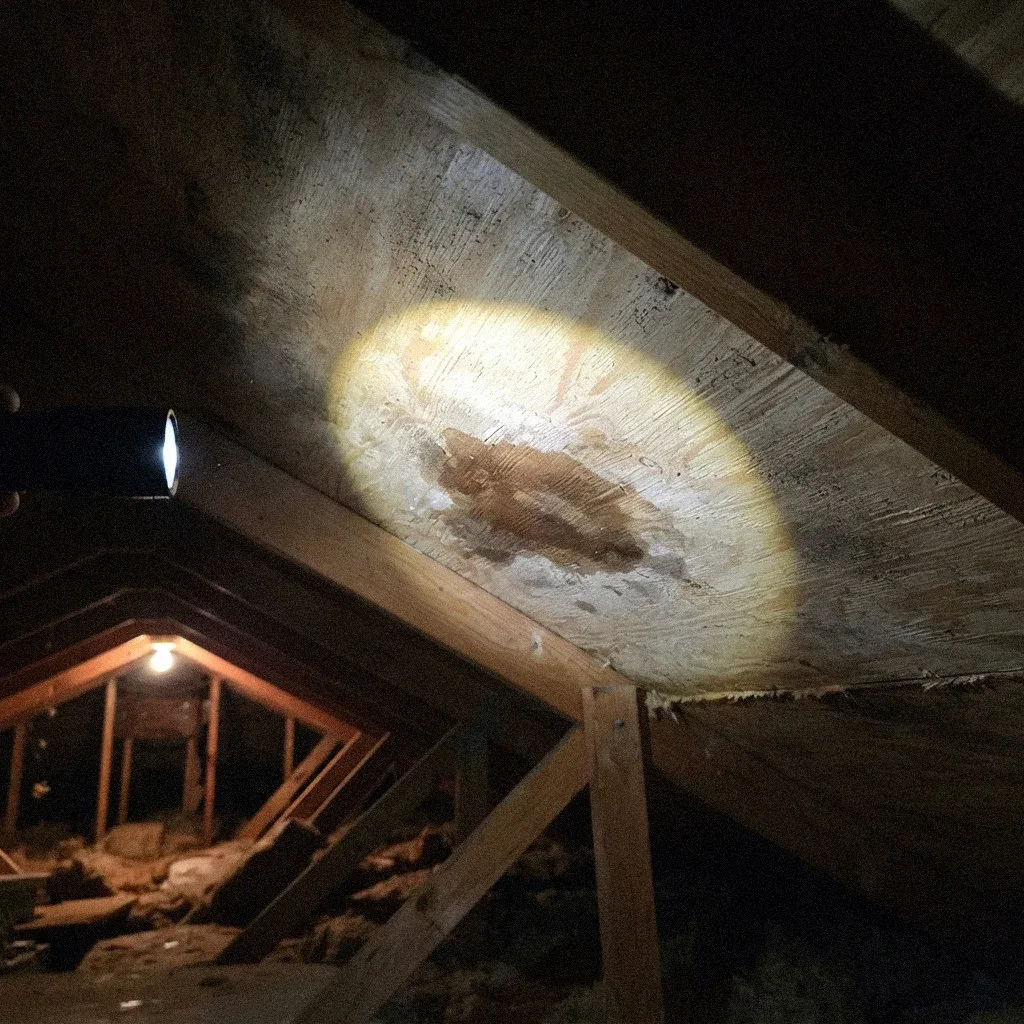
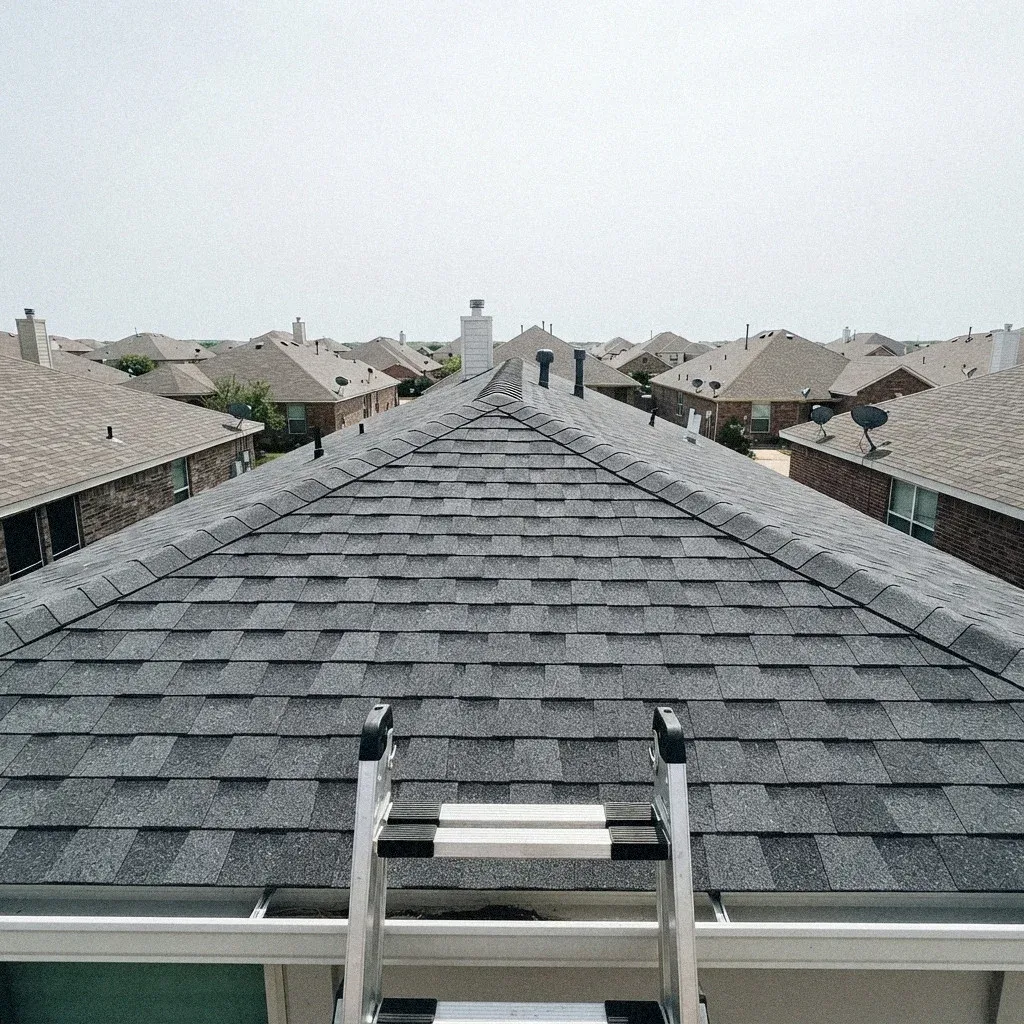
Start low before climbing anywhere. From the yard, scan for a missing shingle, a curled edge, or granules collecting in the gutter line, a sign the surface is thinning. Then go up into the attic with a flashlight during daylight and look for dark rings on the wood, damp insulation, or daylight leaking in around a vent stack. Duval County's humidity makes small leaks spread fast, so this stain check matters more here than the roof's outward appearance suggests.
Sealant Around Roof Penetrations
Every roof has sealant somewhere, at a vent, a skylight curb, or where a pipe boot meets the shingles. A Jacksonville winter doesn't crack sealant the way a hard freeze would farther north, but months of sun and temperature swings still dry it out. A sealant inspection means checking whether the bead still looks flexible and full, not chalky or shrunk back from the edge it was meant to cover.
The Pipe Boot Itself
The rubber collar fitted around a plumbing vent pipe wears faster than most people expect, since it sits in direct sun for years without any shade from the rest of the roof. Look for a split along the base, a collar that has gone stiff, or a gap where it no longer hugs the pipe tight. This spot causes more small leaks around Northside and Westside homes than almost any other single detail on the roof.
Clearing Winter's Debris
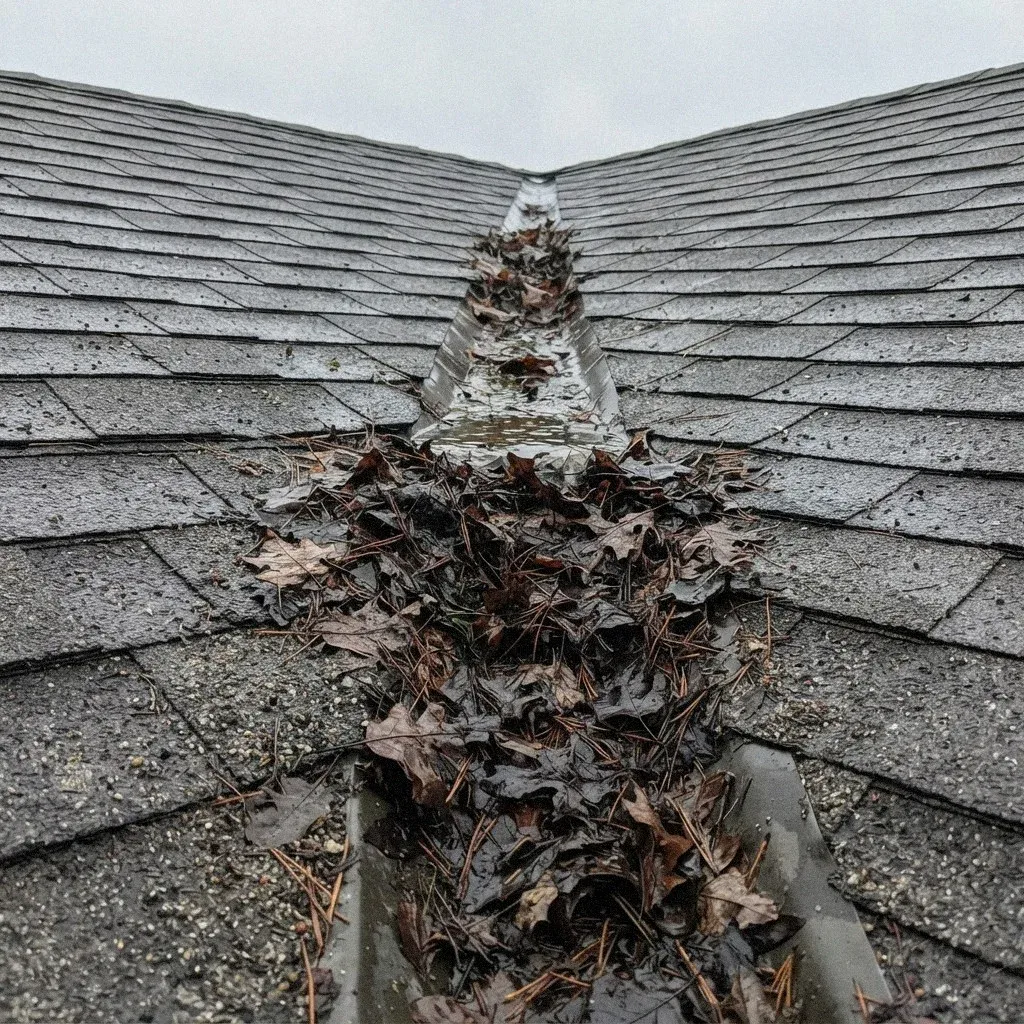
Debris removal is worth doing before anything else on this list, because leaves, oak pollen residue, and small branches sitting in a valley or against a chimney base hold moisture against the shingles longer than open air would. Clear what has settled since fall, especially under any overhanging limb near the roofline. A roof that drains freely shows its real condition; one still covered in debris hides problems until the next thunderstorm finds them.
Gutter Check and Downspout Flow
A gutter check belongs on this list because Jacksonville's flat lots depend on roof drainage to keep water away from the slab. Run a hose through a downspout, or wait for the next rain, and watch whether water actually reaches the ground and moves away from the foundation. A gutter holding standing water or sagging under its own brackets usually means it filled with debris sometime over the past few months and never got cleared.
A Stain Check Inside
Finish indoors with a stain check on the rooms directly under the roof. Look at the ceiling near interior corners, around any recessed light, and anywhere a wall meets the roofline. A faint ring or a spot where paint looks slightly darker than the surrounding surface can mean water has already found a way in, even if the roof itself looked fine from the ground. Catching it here is often the first real sign.
Ahead of Hurricane Season
Not everything found on a spring walkaround needs a call that day. A worn pipe boot, a few missing shingles near the Southside, or slow downspout flow after a storm can usually wait for a scheduled visit. What changes the math is standing water in the attic insulation or a soft spot underfoot near the ridge. Building a punch list first, then scheduling once, saves a Jacksonville homeowner from separate trips for problems that could have been handled together.
Why Spring Is the Window
Spring works as a scheduling window mainly because the weather cooperates. Rain is lighter and less frequent than the summer thunderstorm pattern, days are longer, and the roof has settled after whatever wind and moisture the winter months brought through the St. Johns River area. Getting ahead of repairs now, rather than after the first named storm, means fewer homeowners competing for the same attention once hurricane season is underway.
Judging What You've Found
A ground-level look, a check of the gutters, and a careful pass through the attic will tell most Jacksonville homeowners whether their roof came through winter in decent shape. Small, isolated wear is normal and often not urgent. Signs that repeat across several areas, or any active staining inside the house, point to something worth a closer, professional look before the next round of Duval County storms puts it to the test.
Dealing with this in your home?
Jacksonville roofs wear out street by street, not city-wide. Riverside and Avondale still carry crawl-space homes from the 1920s, where old decking meets modern afternoon thunderstorms. Cross the St. Johns River into Arlington and it's mostly slab homes with 1950s-60s roof lines needing different attention. San Marco's stucco bungalows near San Marco Square age differently again.