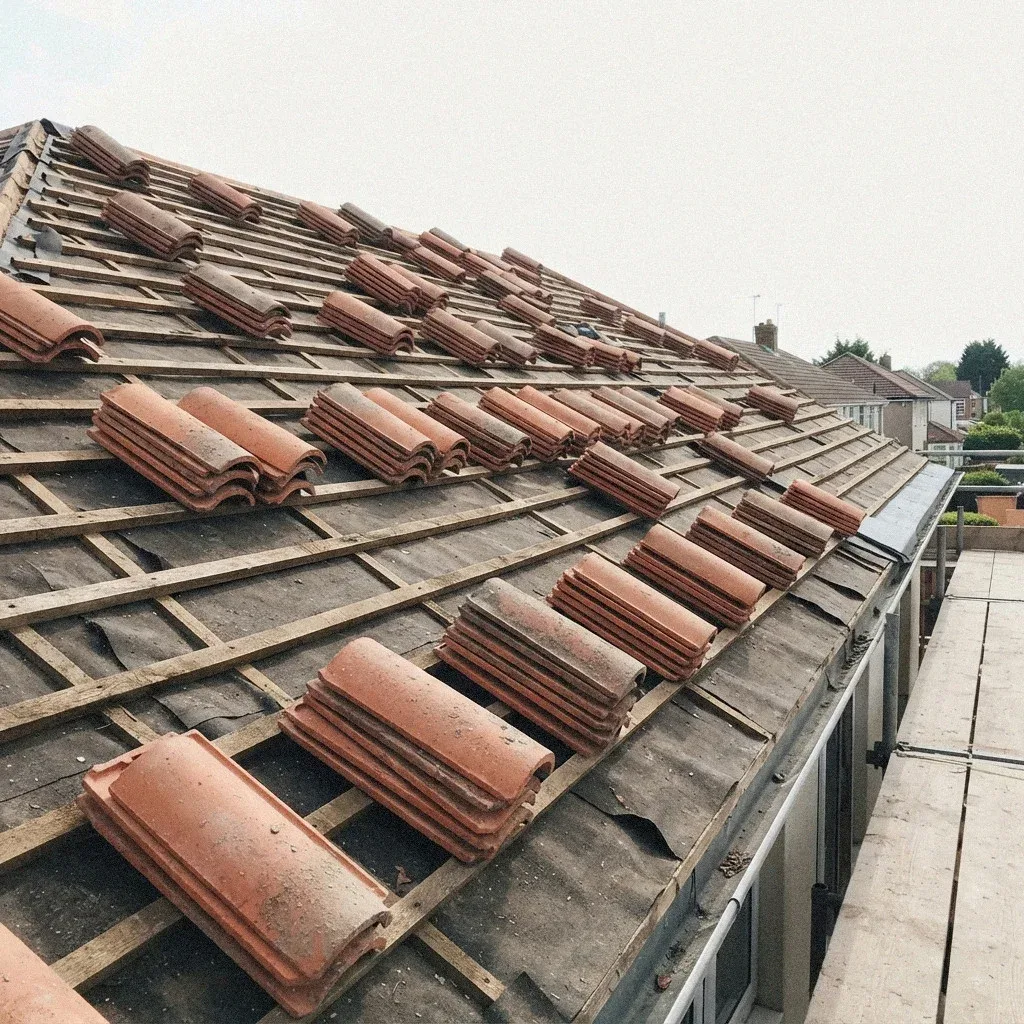
What Makes A Roof Fail Early
Additions, garage roofs, and porch conversions across Jacksonville neighborhoods like Murray Hill and Riverside carry flat or low-slope sections where architectural shingle or cedar shake can't shed water, which is why a torched or self-adhered modified bitumen layer covers that part of the roof instead.
Heavy afternoon thunderstorms off the St. Johns River drop hard, sudden rain through the summer months, and a flat modified bitumen section needs working drains and real slope built in to move that water off before it ever pools against a seam.
Attic ventilation matters more in Jacksonville than most homeowners realize, since afternoon thunderstorms push heat and moisture into a hot deck all summer. Poor airflow softens decking from underneath long before a visible leak shows up, whether the house sits in Mandarin or out toward Oceanway.
How Long a Roof Really Lasts Here
- Service life
- A torched or adhered modified bitumen roof runs roughly 15 to 20 years in Jacksonville before seams and the cap sheet need a full recover.
- Weight
- Layered asphalt sheets carry noticeably more weight than a single-ply membrane, so an older Riverside or Avondale addition should be checked before the switch.
- Slope needed
- Modified bitumen is built for flat and low-slope roofs, holding up fine down to a slope too shallow for shingles as long as drains carry water off cleanly.
- How it fails here
- The granulated cap sheet takes foot traffic for maintenance and AC or vent work without extra walk pads, unlike a smooth single-ply sheet.
- Cost tier
- A damaged section gets cut out and a new patch is torched or adhered into the surrounding field, matched ply for ply rather than swapped as a whole course.
- Time of year
- Late spring through early fall gives the most reliable torching or adhering conditions for a modified bitumen reroof in Jacksonville, since dry, warmer days let the layers bond fully. Hurricane season storms can still interrupt the schedule, so timing the work around the forecast matters.
- Guide price
- an estimated $9000–$26000
Why Roofers Talk About Timing
Modified bitumen is most often weighed against single-ply membrane, the other flat-roof option common on additions across Jacksonville neighborhoods like Murray Hill and San Marco where a main roof of architectural shingle or clay tile can't shed water on a nearly flat slope. The deciding difference is build-up and repair method. Modified bitumen goes down in overlapping torched or self-adhered layers and gets patched by welding a new piece over the damaged course. Single-ply membrane is one heat-welded sheet, lighter but repaired the same way, patch over the failed spot.
Signs the Damage Started Before You Noticed
A modified bitumen reroof starts with a sound deck, a compatible base sheet, and layers torched or adhered with care at every seam, drain, and penetration, which is the install detail the licensed pros we connect you with should walk through before work starts.
Flashing at parapet walls, roof edges, and the transition to an adjoining shingle or standing seam section decides whether the membrane holds up through a Jacksonville hurricane season, so ask the licensed pros we connect you with how they detail that transition before they start.
Housing stock here spans a century, from 1920s bungalows in Riverside and Springfield to subdivisions still going up on the Southside. That range means no single answer about roofs holds across the city, and a quote written for one era of framing rarely fits another.
Repair now, or replacement budgeted?
| The situation |
Usually the right call |
|---|
| One spot, and the rest of the roof sound | A single repair visit |
| A roof that needs something doing to it every year | Replacement, budgeted rather than rushed |
| Anything that has reached the decking or the attic | Tear-off, with the decking made good as it goes |
Insurance And ClaimsReroofing work in Jacksonville needs a permit through the city's Building Inspection Division, and a flat or low-slope membrane job is no exception. Beyond that, what dictates how modified bitumen goes down comes from the Florida Building Code's wind and attachment requirements, not any city-specific roofing rule.
When a Permit Enters the Picture
A punctured or blistered section of modified bitumen lets water track sideways under the membrane and soak the deck below before it ever shows as a ceiling stain, so a small tear or open seam left alone spreads into a much larger repair over one course.
What Homeowners Can Reasonably Handle Alone
Patching a small blister or reseating a lifted flashing edge is within reach for a careful homeowner, but torching or self-adhering a new cap sheet correctly takes practice, and a bad seam fails quietly, showing up as a stain long after the work was done.
How Roofs Wear Down Over Time
Standing water on a flat roof that never fully drains grows algae and holds moisture against the deck, and a section that stays wet through Jacksonville's humid summers can push moisture into the insulation below long before any stain shows up on a ceiling.
Talk To Someone Before Hurricane Season
Expect an estimated $9000 to $26000 for modified bitumen roofs here, with the pitch, the access and how much decking is sound doing most of the moving. Termites, not roof-borrowing rot alone, drive real cost swings around Jacksonville, since Duval County's sandy soil and humidity keep subterranean colonies active most of the year. A licensed inspector checking a roof near Springfield or Arlington will flag any decking softness, but termite treatment itself is a separate call, priced and scheduled apart from reroofing work. pricing guide.